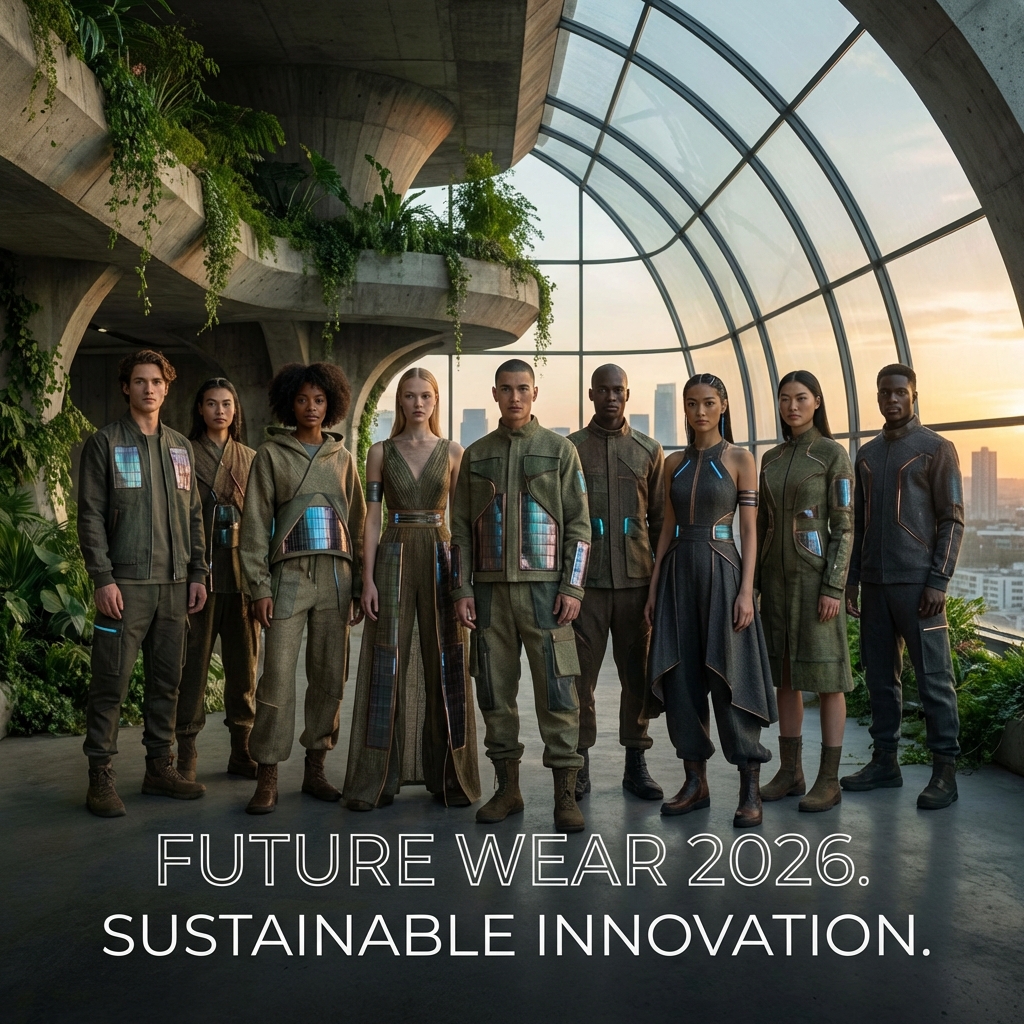
Why Hemp and Bamboo Are Taking Over
2026 Fabric Trends: Moving beyond polyester to the future of eco-luxury.
Krazy Kreators Team
January 21, 2026
Sustainability is No Longer Boring
Remember when "eco-friendly" clothing meant scratchy, beige sacks that cost a fortune? Thankfully, those days are over. In 2026, sustainable fabrics are actually better than the synthetics they replace—softer, stronger, and far more stylish.
We aren't just seeing a trend; we are seeing a takeover. People are realizing that polyester is basically just plastic woven into thread (which makes you sweat!), and they are looking for natural alternatives that let their skin breathe.
"This isn't just about saving the planet. It's about wearing something that feels incredible on your skin. That is the real secret to why these fabrics are exploding in popularity."
The "Real Deal" Detector
Shoppers today are smart. They flip the tag to check what a shirt is made of before they even look at the price. They can spot "Greenwashing" (when brands pretend to be eco-friendly but aren't) from a mile away.
Using real, certified organic materials like hemp and bamboo tells your customer: "We care about quality, and we respect your intelligence."
Hemp: The Industrial Powerhouse
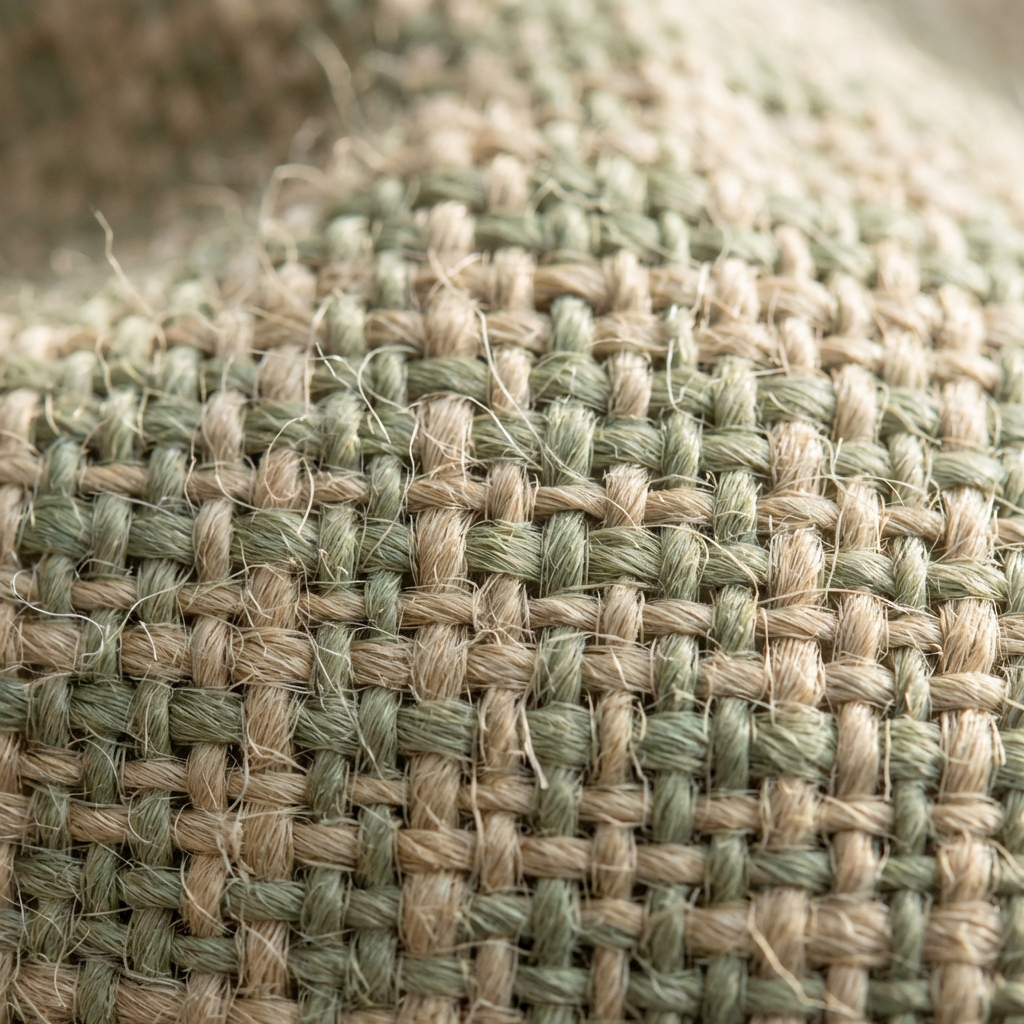
Think of Hemp as "Linen's Tougher Cousin." In the past, it was used for ropes and sails because it was so strong. Today, thanks to new softening methods, we get that same unbreakable strength but with a touch that feels like your favorite vintage t-shirt.
- Antibacterial: Naturally resistant to odors, making it perfect for activewear and summer collections.
- Gets Better with Age: Unlike cotton which wears out, hemp wears in, becoming softer with every wash.
- Zero Pesticides: It grows like a weed (literally), requiring no nasty chemicals to thrive.
- UV Resistant: Offers natural protection against the sun, a key selling point for outdoor brands.
Design Note: Since hemp fibers are thicker, they hold structure beautifully. Use it for boxy jackets, wide-leg trousers, or structured button-downs that need to keep their shape.
Bamboo: The Silk Alternative
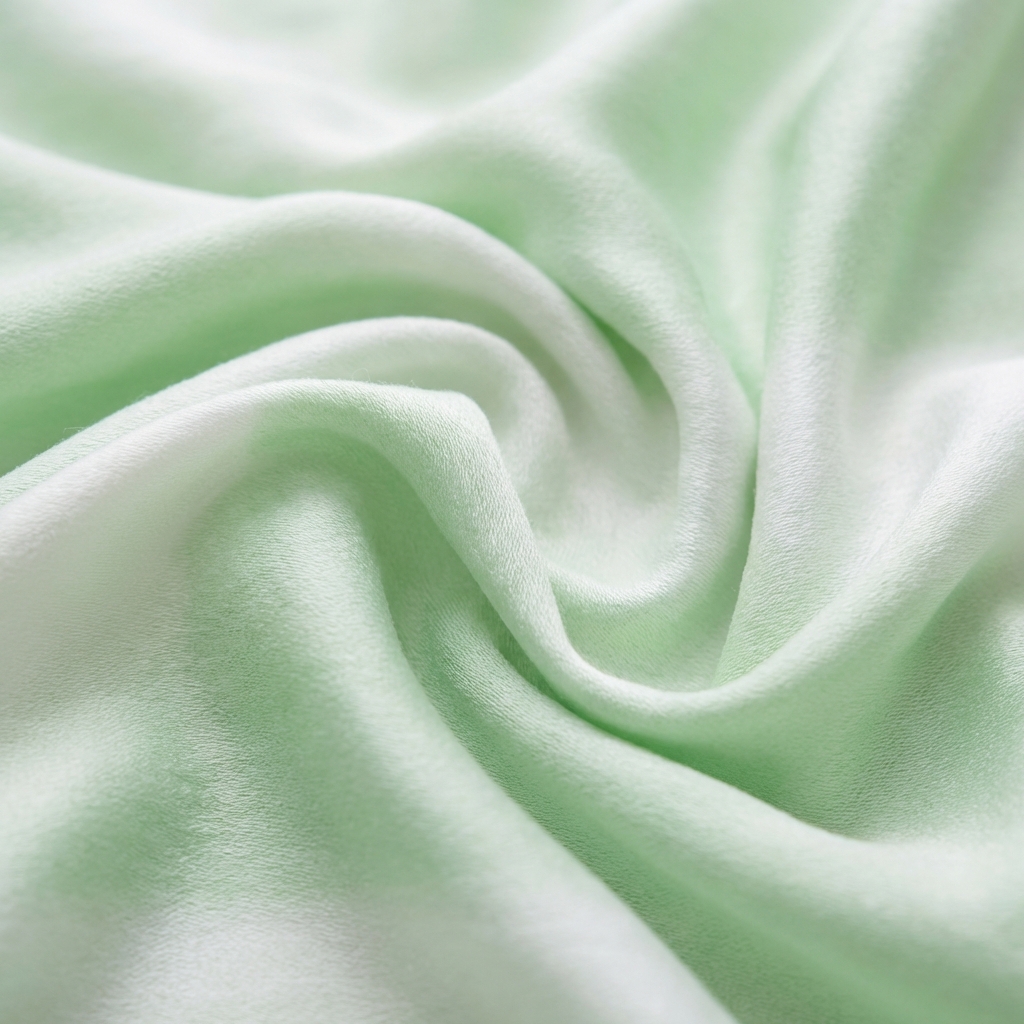
If Hemp is the workhorse, Bamboo is the luxury car. It is often called "Vegan Silk" because it creates a fabric that is incredibly smooth, liquid-like, and cool to the touch.
It is literally Nature's Air Conditioner. The fiber structure has tiny gaps that allow air to flow freely, meaning it keeps you 2-3 degrees cooler in the summer than cotton does.
Why Designers Love It:
It holds dye exceptionally well, resulting in vibrant, lasting colors that don't fade like conventional cotton.
Recommendation: Use bamboo for anything that needs to move. Think flowy midi dresses, oversized resort shirts, or activewear leggings where "second-skin" feel is the goal.
Cheat Sheet: What to Make with What?
Not sure which fabric fits your brand? Here is a simple breakdown of the best uses for each:
Best Uses for Hemp
- Heavyweight Tees & Streetwear
- Jackets & Outerwear (It's wind resistant!)
- Durable Pants & Shorts
Best Uses for Bamboo
- Intimates & Underwear (Super soft)
- Activewear & Yoga Gear
- Summer Dresses & Lounge Sets
The Numbers Don't Lie
50%
Less Water
Bamboo requires significantly less water than cotton farming.
10x
CO2 Absorption
Hemp absorbs more carbon CO2 per hectare than almost any other commercial crop.
73%
Consumer Preference
Millennials & Gen Z are willing to pay more for sustainable products.
Strategic Sourcing: How to Do It Right
The challenge with these premium materials isn't demand; it's supply chain transparency. How do you know your "organic bamboo" isn't just rayon in disguise?
1. Check the ID Card (Certifications)
Don't just take their word for it. Ask for GOTS (for organic cotton/hemp) or FSC (for bamboo). Think of these like a passport—if the fabric doesn't have it, it's not getting into your collection.
2. Trace the Roots
A good supplier can tell you exactly where the plant was grown, not just where the fabric was knitted. If they can't tell you the farm, they are hiding something. Total transparency is the new standard.
Future Outlook: Beyond 2026
The innovation doesn't stop here. We are already seeing the emergence of "Hybrid Fabrics"—blends that combine the durability of hemp with the softness of bamboo in a single weave.
The Investment Case
Switching to sustainable fabrics is an upfront investment, often costing 15-20% more per yard than premium synthetics. However, brands making this switch report a higher Customer Lifetime Value (LTV) and lower return rates, as the product quality is tangibly superior.
Selling the Story (Marketing 101)
You aren't just selling cloth; you are selling a philosophy. Here is how to educate your customers (and justify a higher price point) using your hangtags and product descriptions:
Copy-Paste for Hangtags:
"This garment is made from 100% Organic Hemp. It uses 50% less water than cotton and gets softer with every wash. Wear it, love it, pass it down."
Perfect for Brand Storytelling
Care Instructions (Educate Them):
- • Wash Cold: Saves energy and protects the fiber.
- • Hang Dry: High heat is the enemy of natural fibers.
- • Don't Overwash: Hemp resists odors, so wash it less!
Looking for the Next Big Fabric?
Whether you want the rugged durability of hemp or the silky luxury of bamboo, Krazy Kreators has the sourcing network to get you authentic, high-quality sustainable fabrics. Don't just follow the trend—lead it.
Did you find this article helpful?
Join the Conversation
No comments yet. Be the first to start the discussion!