Insights & Stories

Discover the latest trends, insights, and stories from the world of fashion design, manufacturing, and business growth.

CPSC eFiling and California SB 707: What the New 2026 Apparel Compliance Rules Mean for Your Brand
Manufacturing4 min read

CPSC eFiling and California SB 707: What the New 2026 Apparel Compliance Rules Mean for Your Brand

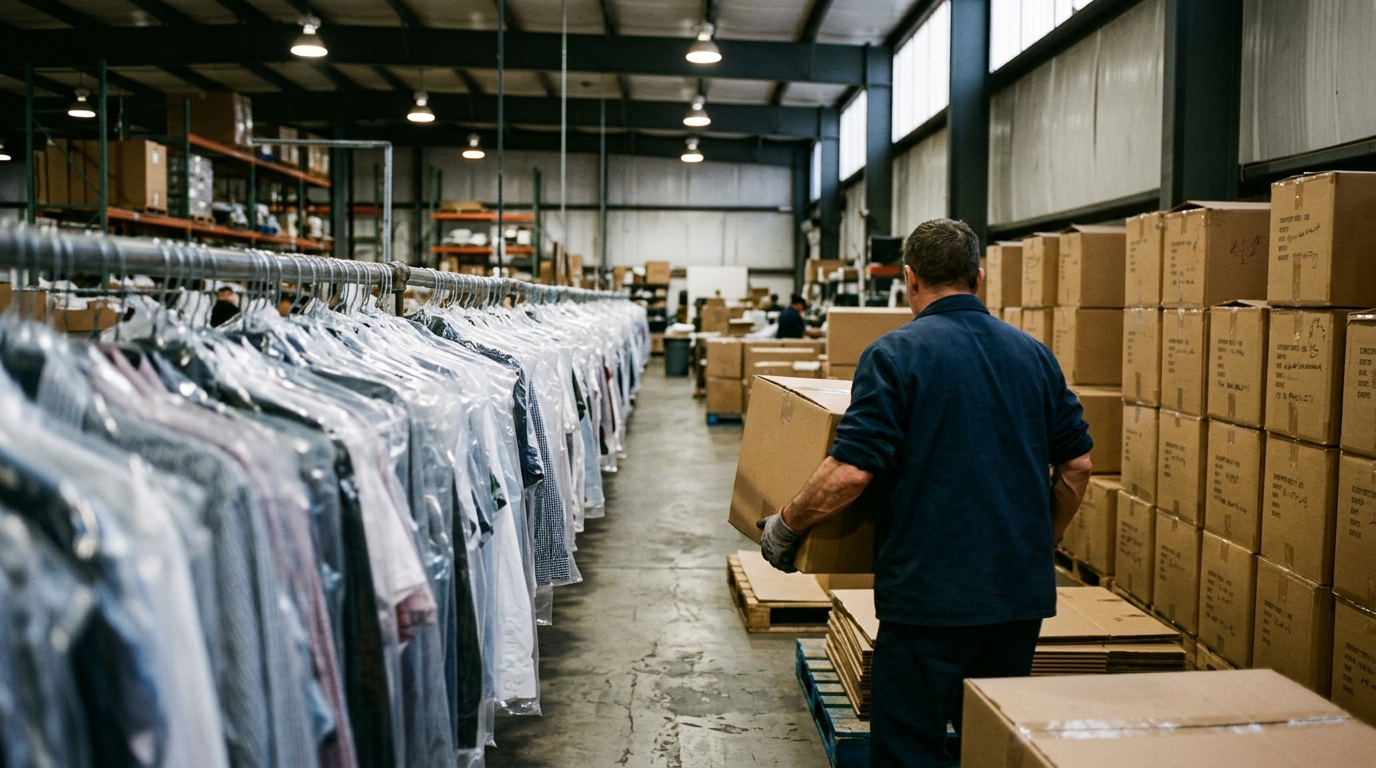
CPSC eFiling for apparel became mandatory on 8 July 2026, and California's SB 707 deadline passed a week before it. Neither will fine you this month, which is exactly what makes them easy to misread. Most adult clothing turns out to be exempt — and what decides it is not a lawyer, it is your fabric spec: a smooth-faced cloth at 2.6 ounces per square yard or more, or anything made entirely from acrylic, modacrylic, nylon, olefin, polyester or wool. A brushed fleece or a light rayon blouse falls outside that, and needs testing, a certificate and a filing at the border. Nothing is being rejected yet. Your filings are quietly setting a risk score that decides whose containers get held in 2027.

Krazy Kreators TeamAugust 26, 2026
0
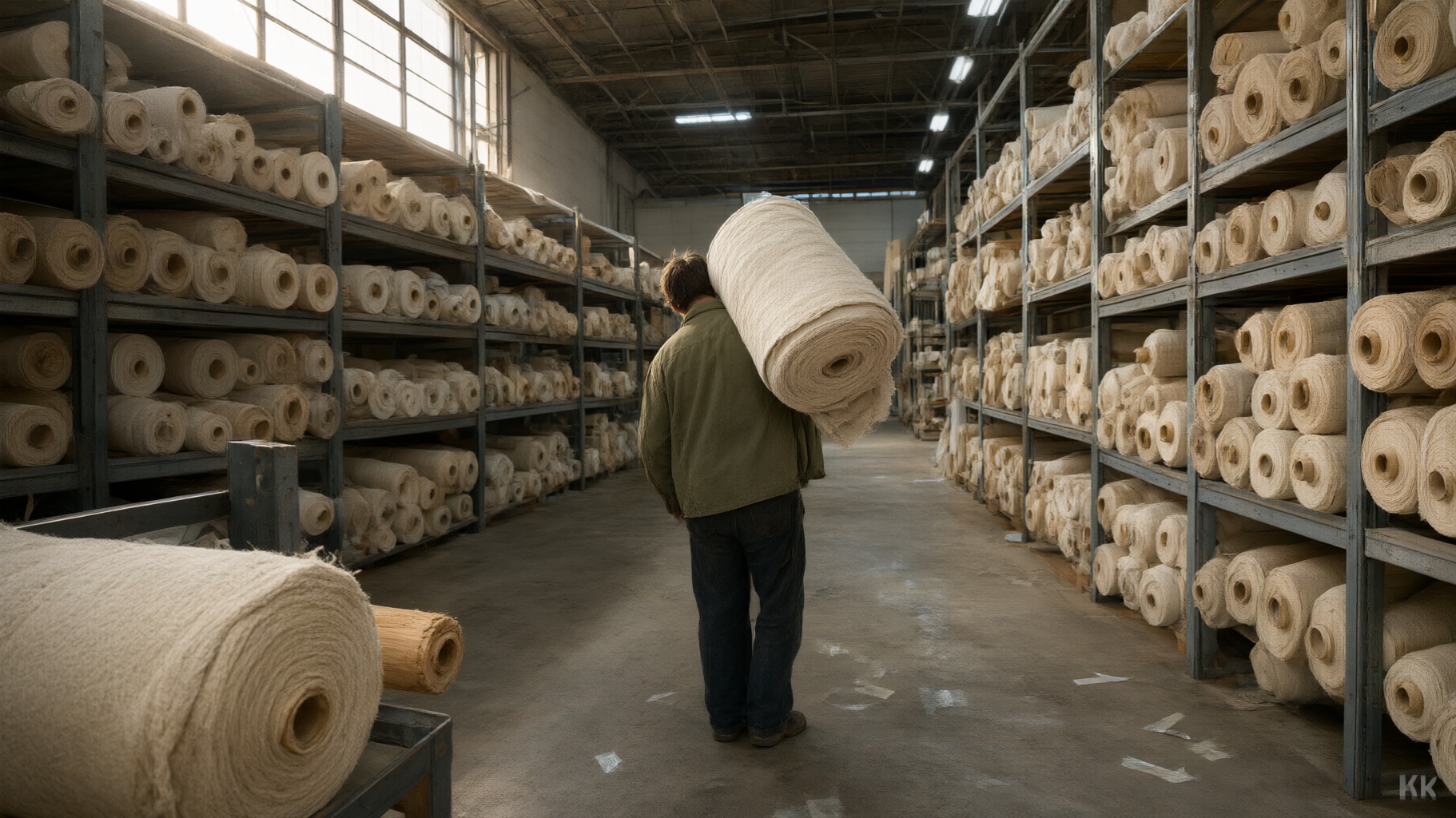
Sustainable Clothing Manufacturing: How to Build an Eco-Conscious Fashion Brand
Sustainability12 min read

Sustainable Clothing Manufacturing: How to Build an Eco-Conscious Fashion Brand

From 27 September, “eco-friendly” is a claim you have to prove. A practical guide to sustainable clothing manufacturing — fabric choices, ethical sourcing, and the waste reduction that pays for itself.

Krazy Kreators TeamAugust 22, 2026
0
Beyond China: Why More Fashion Brands Are Sourcing From India in 2026
Manufacturing11 min read

Beyond China: Why More Fashion Brands Are Sourcing From India in 2026

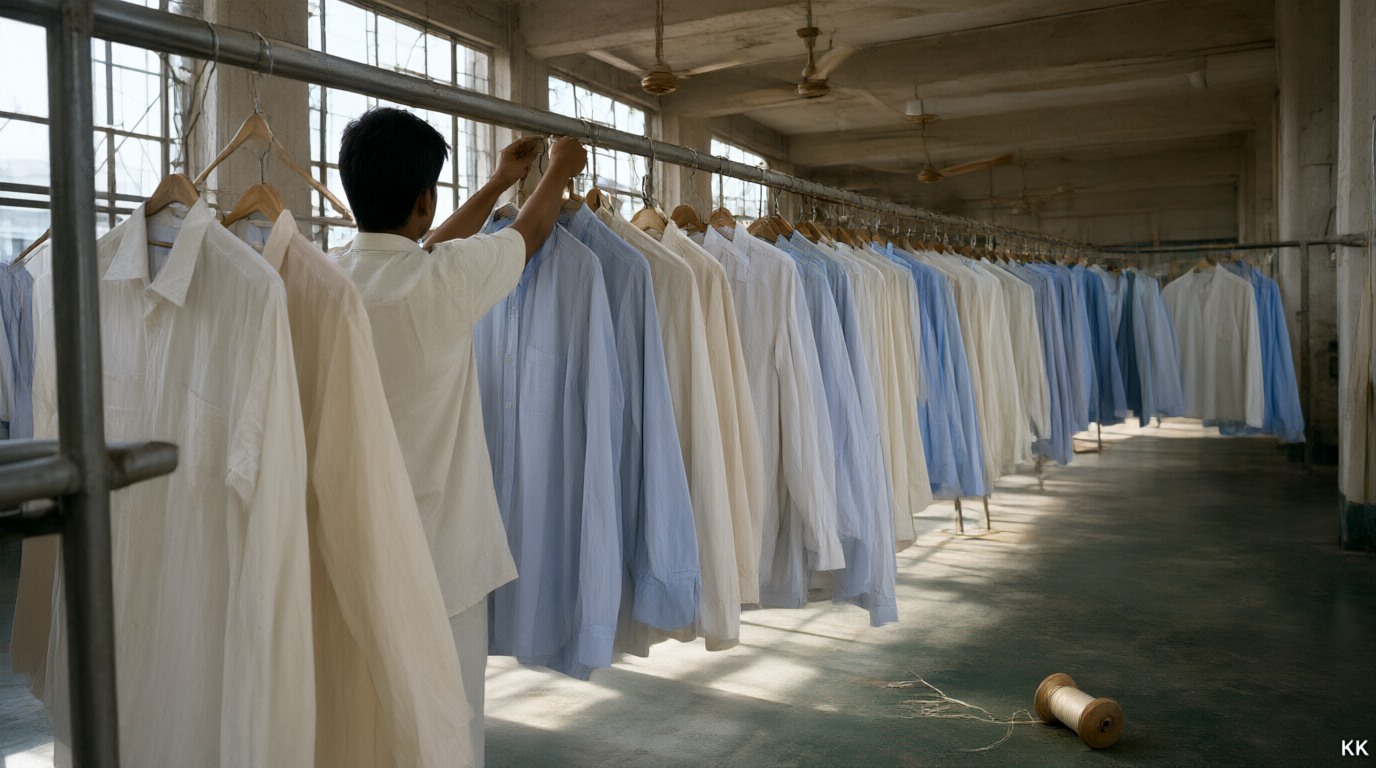
Sourcing clothing manufacturing from India got materially cheaper on 24 July, and the trade data has not caught up: US apparel imports from India fell 26.4% over January to May while the whole market fell 9.3%, and the China volume went to Cambodia and Indonesia instead. Then the punitive rate expired and the new forced-labor Section 301 action put India in the lower tier. A cotton tee from India now clears at 26.5% — 16.5% general rate plus 10% — against 29% from Vietnam and 36.5% from China. On a 5,000-piece run that is $7,000 against China and $1,750 against Vietnam. But Bangladesh, Cambodia, Indonesia, Pakistan and Sri Lanka pay the same 26.5%, so the duty removed India's penalty rather than handing it an edge. What decides it now is the fibre-to-garment chain on one side, and a thin man-made-fibre base and incentive schemes with expiry dates on the other.

Krazy Kreators TeamAugust 22, 2026
0
Section 122 Is Gone — Here's What Actually Replaced It (and What It Means for Your Next Cost Sheet)
Manufacturing10 min read

Section 122 Is Gone — Here's What Actually Replaced It (and What It Means for Your Next Cost Sheet)

The flat 10% surcharge that sat on almost every US import expired at 12:01 a.m. on July 24, 2026 — and a Section 301 forced-labor duty started in the same minute. It is not a blanket. India, Bangladesh, Cambodia, Indonesia, Pakistan and Sri Lanka pay 10%; Vietnam, China, Turkey, Thailand and the Philippines pay 12.5%; and three lanes pay nothing extra at all — qualifying CAFTA-DR apparel, USMCA goods, and apparel from the EU, Japan, Korea, Taiwan and Switzerland, whose normal duty already exceeds the cap. Six countries changed lanes between the June proposal and the final notice, so a cost sheet built in June has India 2.5 points too high. Here is the new duty map origin by origin, and what it does to a $14 tee.

Krazy Kreators TeamAugust 19, 2026
0
From Sketch to Store: A Real Clothing Production Timeline
Manufacturing11 min read

From Sketch to Store: A Real Clothing Production Timeline

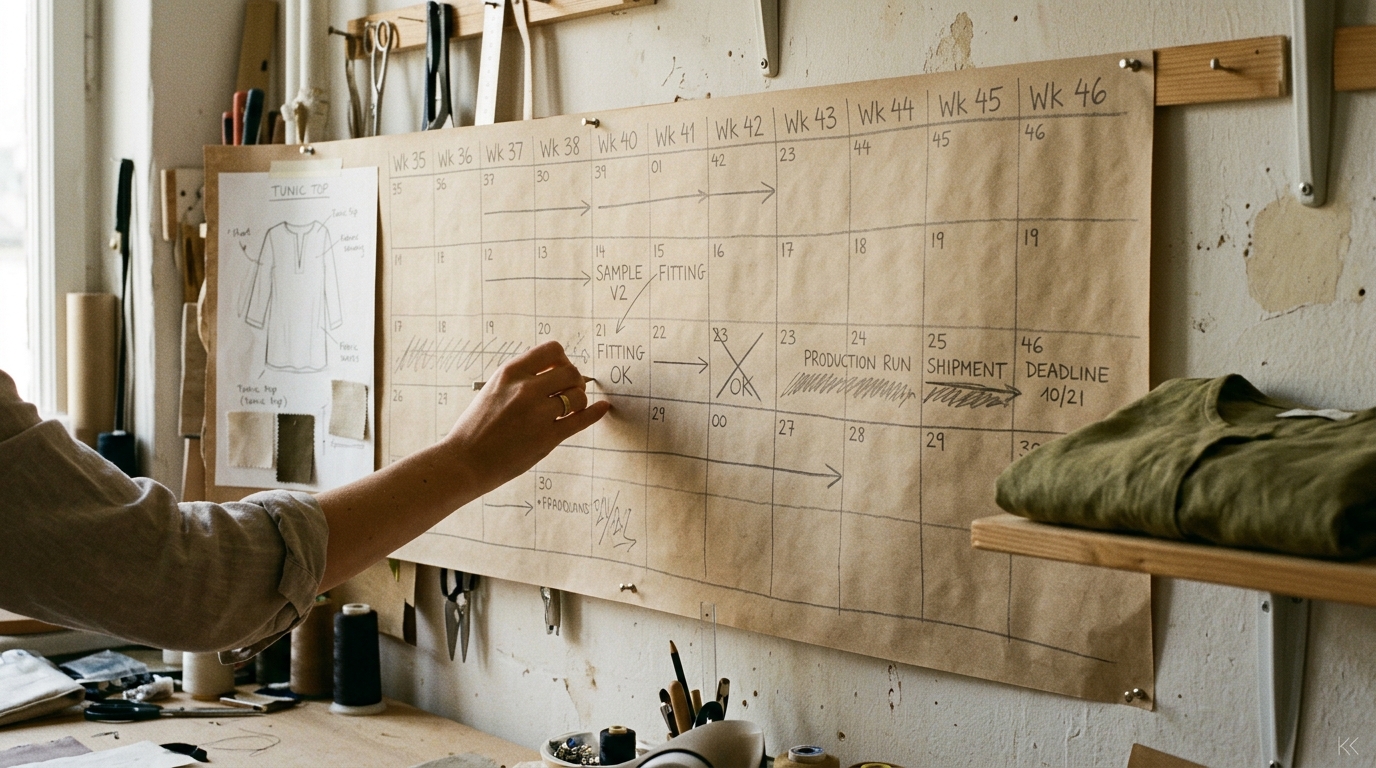
The sketches are done and you can picture the whole first drop, so you ask the only question that matters: how long until I can sell it? About four months if everything goes right, closer to six the first time — and that gap is almost never the factory being slow. Here is the full clothing production timeline stage by stage: eleven weeks of range planning, tech packs, fabric and sampling before a single garment of your run is cut, four weeks of actual sewing, then five more on a ship and through customs. Plus the three fixed dates that bend everyone's calendar, the five ways a schedule quietly grows, and why you count backwards from the shelf instead of forwards from today. A 1 March 2027 drop is a 21 September 2026 decision.

Krazy Kreators TeamAugust 15, 2026
0
Private Label vs Custom Clothing Manufacturing
Manufacturing7 min read

Private Label vs Custom Clothing Manufacturing

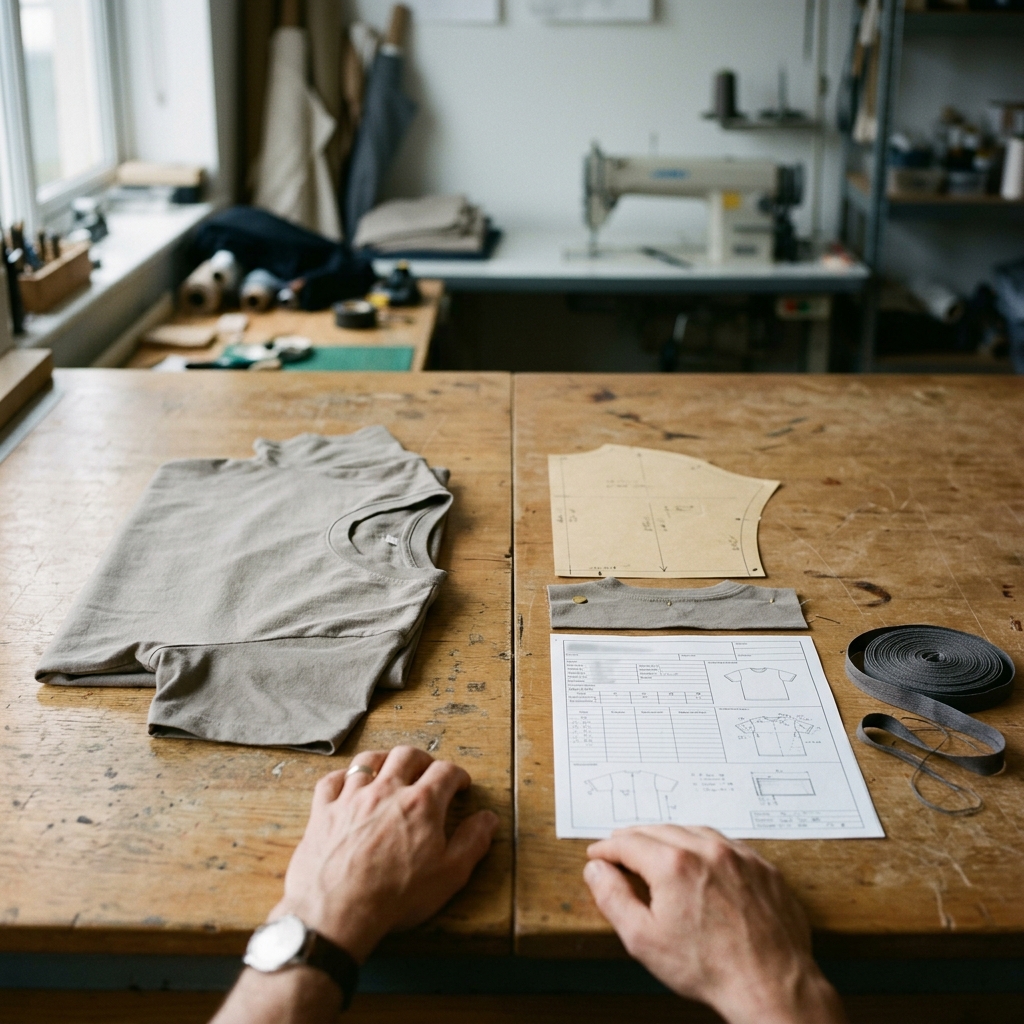
Two suppliers quote your tee. One says $9 a piece, 50 minimum, three weeks. The other says $12, 300 minimum, four months — and they are not selling the same thing. Private label puts your label on a garment that already exists; custom builds one from your own pattern. On a worked 300-piece tee that is $8.48 a unit against $14.80, but $3.00 of the gap is one-time development that falls to $0.90 at 1,000 units. Private label delivers in 3–5 weeks against 14–26 for a first custom style. The real question is not price: it is whether the thing that makes your product good lives in the artwork or in the fabric and the fit — and who owns the pattern when it is over.

Krazy Kreators TeamAugust 14, 2026
0

Ready to Bring Your Vision to Life?

Let's discuss how we can help you create exceptional fashion pieces that stand out in the market.