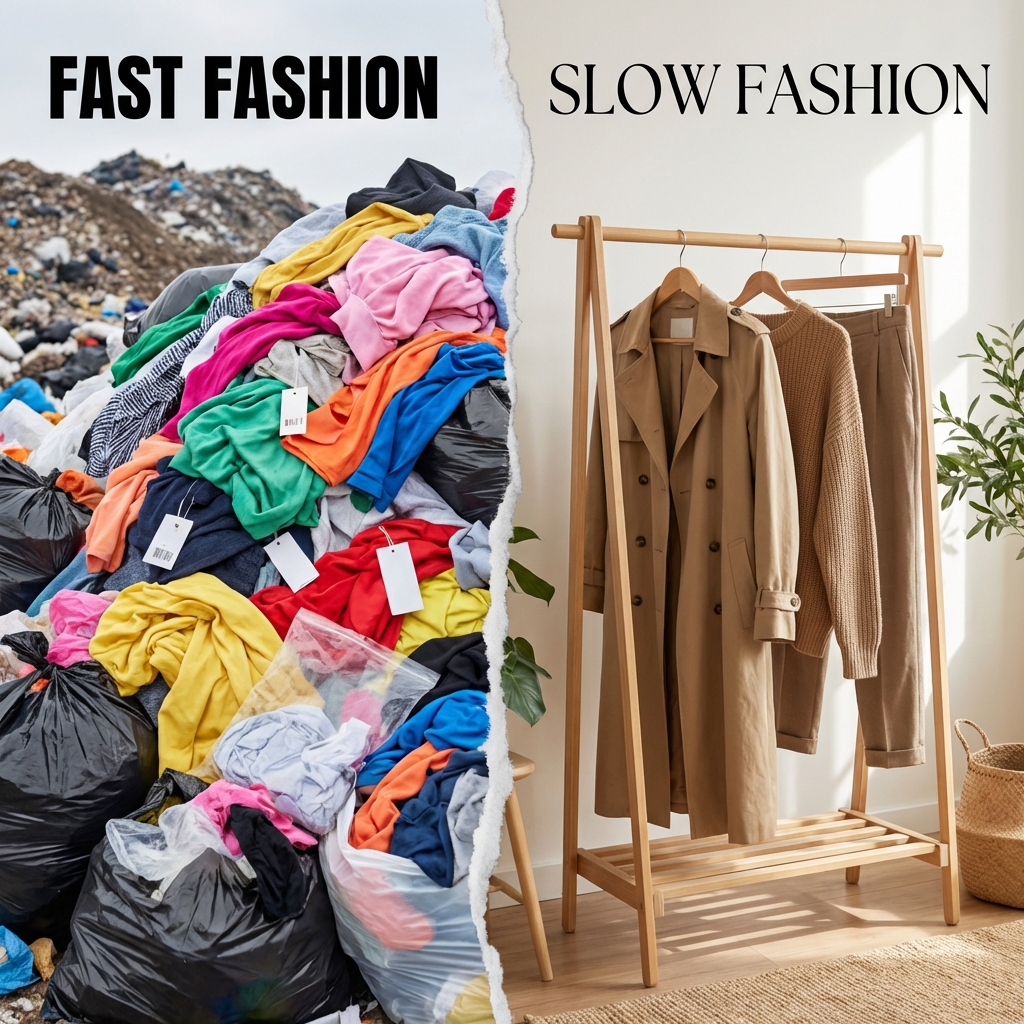
Anti-Fast Fashion: Building a Brand That Lasts
The era of disposable clothing is ending. Here is how to position your brand for the quality-first revolution.
Krazy Kreators Team
January 28, 2026
Let’s be honest: The world doesn’t need another $5 polyester t-shirt.
For the past decade, the fashion industry has been stuck in a race to the bottom. Ultra-fast fashion giants like Shein and Temu have normalized disposable clothing, churning out thousands of new styles every day at prices that seem too good to be true.
The Consumer Fatigue is Real
Recent data shows a massive shift in 2026. Returns on ultra-cheap fashion have hit record highs (over 40%) as customers get tired of poor fabrics, bad fits, and items that fall apart after one wash.
This creates a massive opening for Slow Fashion. Customers are willing to pay more—significantly more—for "quality that lasts." They are looking for brands that stand for something.
The Hidden Cost of Fast Fashion
Before we dive into building a slow fashion brand, it's crucial to understand what you're fighting against. The fast fashion industry isn't just a business model—it's an environmental and social crisis happening in plain sight.
Tons of textile waste dumped in landfills annually
Of global water pollution comes from textile dyeing
Of global carbon emissions from fashion industry
Average wears before a fast fashion item is discarded
The Human Cost
Behind every $5 dress is a worker—often in Bangladesh, Vietnam, or Cambodia—earning less than $3 per day. The 2013 Rana Plaza collapse in Bangladesh killed over 1,100 garment workers and injured 2,500 more. Despite global outrage, conditions in many factories have barely improved.
When you build a slow fashion brand, you're not just creating clothes—you're creating a business model that respects human dignity. That's a story worth telling.
What is a "Slow Fashion" Brand?
Slow fashion isn't just about being expensive. It's a completely different business model. It separates itself from the "churn-and-burn" of fast fashion through three core pillars:
Durability First
Garments engineered to last years, not weeks. High GSM fabrics, reinforced stitching, and premium finishes.
Radical Transparency
Knowing exactly who made the clothes and where. No hidden sweatshops, just honest supply chains.
Timeless Design
Ignoring micro-trends. Creating versatile "capsule" pieces that don't go out of style next season.
The Psychology Behind the Shift
Research from McKinsey's 2025 State of Fashion report shows that 67% of consumers now consider sustainability when making a purchase, up from just 37% in 2019. But here's the key insight: it's not just about the planet.
Consumers are experiencing "purchase fatigue"—the emotional exhaustion of constantly buying, returning, and discarding. They want to buy less, but buy better. They want their purchases to mean something. This presents an enormous opportunity for brands that can deliver quality AND purpose.
How to Build Your Slow Fashion Brand
Fabric is King
Stop using cheap polyester.
Start with the Material
Fast fashion relies on polyester because it's cheap. It also sheds microplastics and feels sweaty. To differentiate, you must offer superior hand-feel.
- Organic Cotton & Hemp: Breaths better, lasts longer, and ages beautifully.
- Tencel / Lyocell: The premium sustainable alternative with a silk-like drape.
- Heavyweight GSM: A 240 GSM t-shirt immediately feels like a luxury item compared to a standard 140 GSM fast-fashion tee.
The "Who" Factor
Turn your factory into a character.
Show Your Supply Chain
In the era of Shein, transparency is your marketing superpower. Don't hide your manufacturer—celebrate them.
Show videos of the stitching process. Interview the master cutter. Show the clean, ethical environment where the clothes are made. When customers see the human effort behind a garment, they understand why it costs $80 instead of $8.
Price for Value
Educate on Cost-Per-Wear.
Flip the Pricing Narrative
Don't apologize for higher prices. Explain them. Use the "Cost Per Wear" argument:
Fast Fashion Tee ($10)
Washed 5 times before losing shape.
Cost: $2.00 per wear.
Your Premium Tee ($40)
Worn 50+ times and still looks new.
Cost: $0.80 per wear.
When you frame it this way, Slow Fashion becomes the logical financial choice, not just the ethical one.
Story First
Craft an authentic narrative.
Build Your Brand Story
Slow fashion brands don't just sell products—they sell a philosophy. Your brand story should answer these questions:
- Why did you start? What moment, frustration, or realization sparked your journey?
- What do you stand against? Be specific about the industry problems you're rejecting.
- What future are you building? Paint a picture of the world you want to create.
Community
Build a tribe, not just customers.
Create a Movement, Not Just a Brand
Fast fashion relies on constant advertising to drive impulse purchases. Slow fashion brands win through community and advocacy. Your customers should feel like members of a movement.
User-Generated Content
Encourage customers to share how they style your pieces. Repost them. Celebrate them.
Repair Programs
Offer free repairs or tutorials. This reinforces longevity and deepens loyalty.
Educational Content
Teach your audience about fabrics, care, and the real cost of fashion. Knowledge builds trust.
Exclusive Access
Give loyal customers early access to new drops, design input, or factory tours.
"People don't buy what you do; they buy why you do it." — Simon Sinek
Get Certified
Back up your claims with credentials.
Invest in Certifications
In a world of greenwashing, certifications provide third-party validation that your claims are real. They're expensive but worth it.
Global Organic Textile Standard
The gold standard for organic textiles. Covers entire supply chain.
OEKO-TEX Standard 100
Certifies textiles are free from harmful substances. Consumer-trusted.
B Corp Certification
Proves your entire business prioritizes people and planet, not just profit.
Fair Trade Certified
Ensures fair wages and safe working conditions for garment workers.
Marketing Your Slow Fashion Brand
Traditional marketing tactics (flash sales, constant discounts, urgency messaging) contradict slow fashion values. Here's how to market authentically:
Content That Educates
- Behind-the-scenes of your production process
- Fabric deep-dives: why organic cotton feels different
- Care guides to maximize garment lifespan
- Industry exposés on fast fashion practices
Influencer Strategy
- Partner with micro-influencers (5K-50K) for authentic reach
- Focus on lifestyle/sustainability creators, not just fashion
- Long-term ambassadorships over one-off posts
- Prioritize engagement rate over follower count
Pricing Psychology
- Never discount—it undermines the "quality" narrative
- Use transparent pricing breakdowns (fabric: $X, labor: $Y)
- Offer payment plans to increase accessibility
- Compare lifetime value vs. fast fashion alternatives
Sustainability Messaging
- Be specific: "saves 2,700L of water per tee" beats "eco-friendly"
- Acknowledge imperfections—no brand is 100% sustainable
- Share your sustainability roadmap and goals
- Publish annual impact reports with real data
Brands That Got It Right
These brands prove that slow fashion isn't just idealistic—it's profitable. Here's what they did right:
Patagonia
The Original Slow Fashion Pioneer
Famous for their "Don't Buy This Jacket" campaign, Patagonia built a $1B+ brand by actively discouraging overconsumption. Their Worn Wear program encourages customers to repair rather than replace, and they donate 1% of all sales to environmental causes.
Everlane
The Radical Transparency Leader
Everlane disrupted the industry by publishing the full cost breakdown of every product—factory costs, materials, labor, transport, and their markup. This transparency converts skeptics into believers and justifies premium pricing.
Allbirds
The Material Innovator
Allbirds built their entire brand around material innovation—Merino wool, eucalyptus tree fiber, and sugarcane-based foam. They carbon-label every product like nutritional information, making environmental impact tangible and comparable.
The Common Thread
Notice that none of these brands compete on price. They compete on values, quality, and transparency. They've turned their ethical choices into marketing advantages. You can do the same.
The Bottom Line
The fashion industry is at an inflection point. Consumers are waking up to the true cost of cheap clothes—to the environment, to workers, and to their own wardrobes filled with things they never wear.
This creates an unprecedented opportunity for brands willing to take the slow fashion path. Yes, it requires more investment upfront. Yes, your price points will be higher. But you'll build something far more valuable than another disposable fashion brand.
You'll build a brand that customers genuinely love, recommend to friends, and return to for years. That's the real competitive advantage.
Need a Manufacturing Partner Who Understanding "Quality"?
Krazy Kreators specializes in high-quality, ethical manufacturing for brands that want to stand out. From fabric sourcing to final stitch, we help you build a product you can be proud of.
Did you find this guide helpful?
Join the Discussion
No comments yet. Be the first to start the discussion!