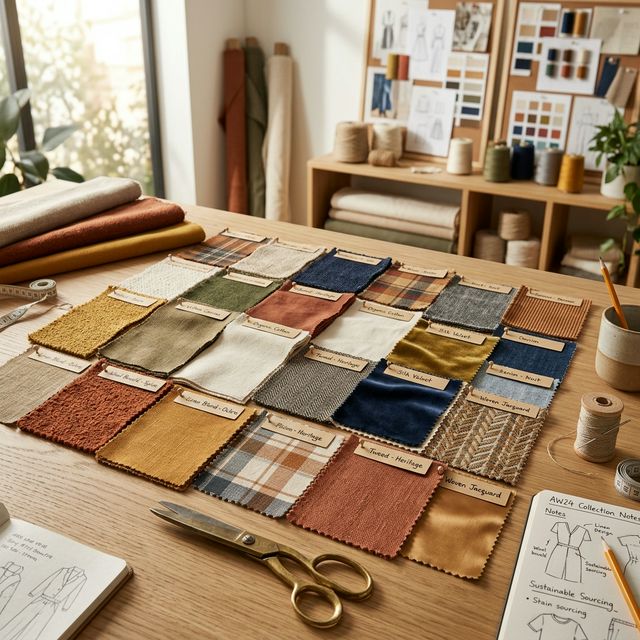
Fabric Sourcing 101: How to Choose the Right Material
You've sketched the perfect piece. Now what? Learn everything you need to know about textile selection and working with wholesale fabric suppliers.
Krazy Kreators Team
March 24, 2026
Imagine this: you've just finished drawing what you know will be a bestseller. You can see the drape of the hoodie or the clean, structured look of the jacket. The idea is crystal clear in your mind, but there is one massive hurdle standing between your sketch and a real, wearable product: the fabric.
Many modern fashion designers are incredibly talented at conceptualizing aesthetics but sometimes lack the technical vocabulary to source fabrics efficiently. Getting the right material isn't just about feeling nice—it dictates the fit, the durability, the washing outcome, and ultimately, whether your customer decides your brand is high-quality or fast fashion.
Whether you feel lost in a sea of wholesale fabric suppliers or don't know your twills from your terrys, this guide covers the absolute essentials of textile selection.
Knits vs. Wovens: The Core Difference
The biggest mistake a beginner makes is picking a fabric just because it feels "right" without understanding how it's structurally made. Understanding the structural properties of materials is the true foundation of fashion design.
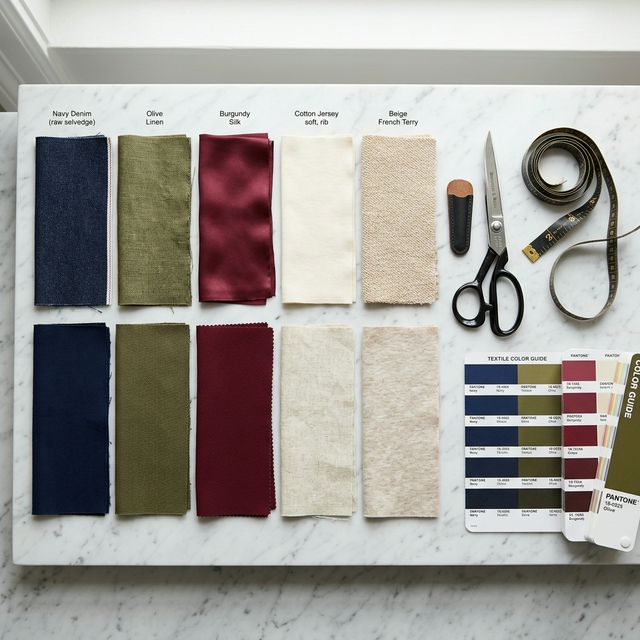
- Knit Fabrics: Created from continuous threads interlaced in interlocking loops. They are naturally stretchy, flexible, and hug the body closely. Common for t-shirts, hoodies, and activewear.
- Woven Fabrics: Created on a loom where threads are interlaced at right angles. They are structured, crisp, and do not stretch naturally. Common for dress shirts, denim, and blazers.
Navigating Wholesale Fabric Suppliers
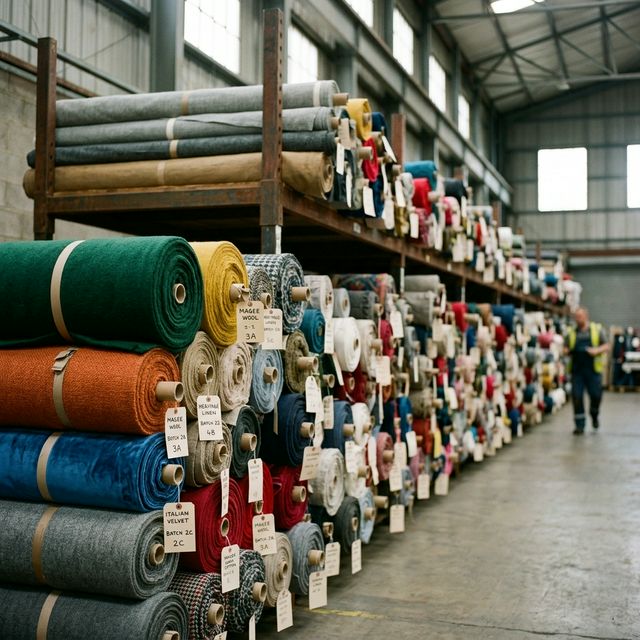
Once you know what you want, the real challenge begins: finding the actual rolls of fabric. The fabric sourcing world can be remarkably opaque to newcomers, presenting severe hurdles to independent designers.
- High MOQs: Most premium mills require 1,000+ meters, locking out small capsule collections.
- Stock Availability: Relying on deadstock means you can't reorder if an item sells out.
- Inconsistent Lab Dips: Hitting exact pantone colors manually requires shipping swatches globally, losing weeks of production time.
The Difference Between "Looks Good" and "Works Well"
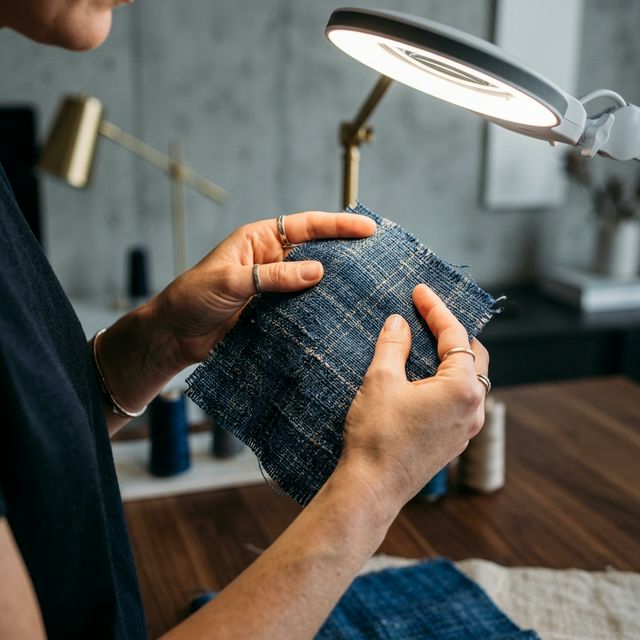
A swatch might feel incredible in your hand. But when you apply a heavy puff print to it, or subject it to an enzyme wash, the fabric might melt, pill, or dye-bleed. Without technical knowledge and sample testing, you are gambling blindly.
Every process—from screen printing to embroidery—interacts differently with cotton, polyester, and blends. It is critical to test your embellishment methods on your final bulk fabric before pressing "go" on production.

Why Use a Fabric Sourcing Agent?
This is where intelligent brands start making strategic moves. Instead of taking weeks to source a single fabric roll, they partner up. Think of a unified manufacturing partner as your inside person within the textile mills.
- Deep Mill Relationships: We procure in days from trusted suppliers.
- Technical Matching: Send us reference garments; we match the weight, weave, and composition natively.
- End-to-End Ease: We handle sampling and bulk seamlessly, eliminating multi-vendor nightmares.
Stop Stressing Over Swatches. Start Creating.
You are a designer—your time is best spent conceptualizing, marketing, and growing your brand. At Krazy Kreators, our comprehensive sourcing capabilities position us as your expert resource from the first sketch to the final shipment.
Did this sourcing guide help you?
Discussion (0)
Leave a Reply
No comments yet. Have a question about sourcing? Ask below!