Why Best Fashion Brands Work with Dedicated Supply Chain Partners
Discover how top fashion brands leverage dedicated supply chain partnerships to streamline operations, reduce costs, and accelerate time-to-market.
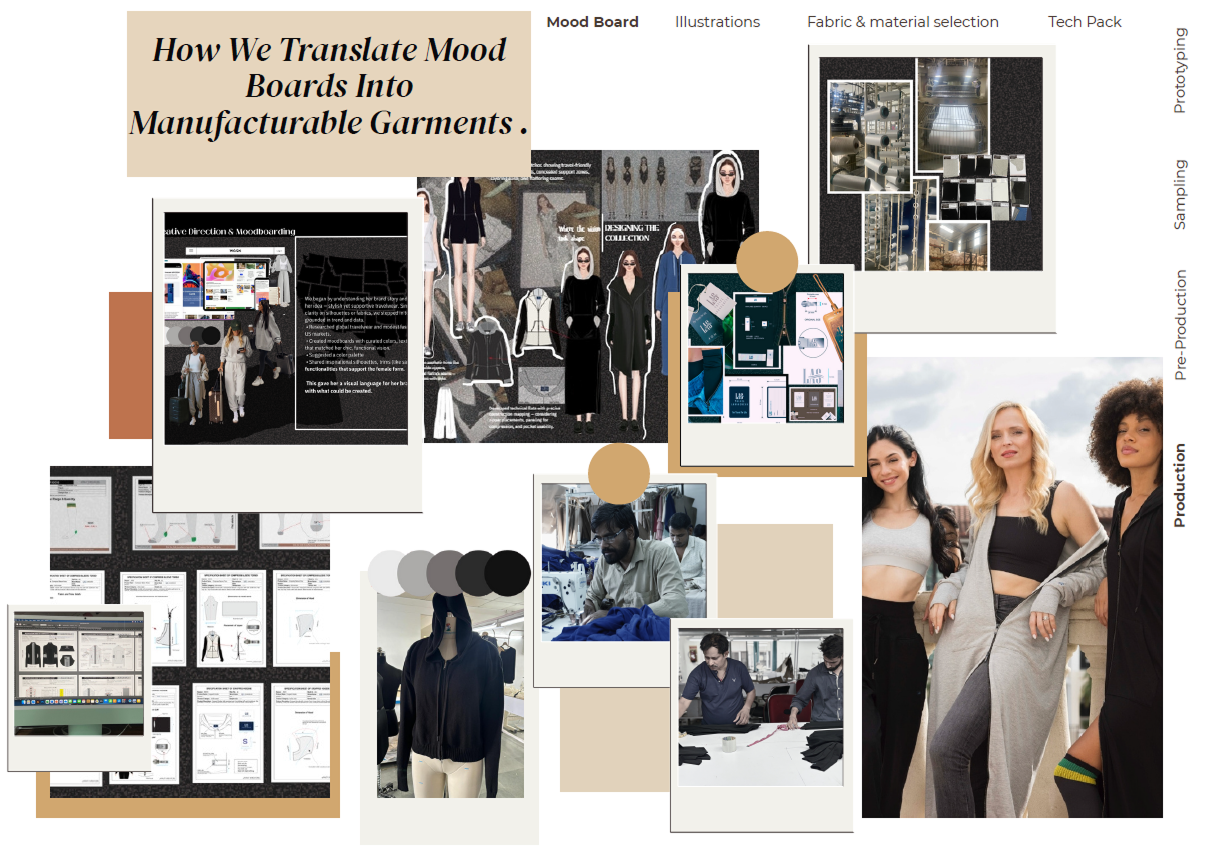
Every garment begins with a story — and often, that story is captured on a mood board. A mood board is not just a collage of images, colors, and textures. It's the foundation of a collection, the emotional DNA that guides the design process. But how do we move from this abstract world of inspiration to a garment that is manufacturable, wearable, and ready to reach the customer?
Here's the journey step by step:
Hosted by March 15, 2025
Krazy Kreators Team
Every garment begins with a story — and often, that story is captured on a mood board. A mood board is not just a collage of images, colors, and textures. It's the foundation of a collection, the emotional DNA that guides the design process. But how do we move from this abstract world of inspiration to a garment that is manufacturable, wearable, and ready to reach the customer?
Here's the journey step by step:
The first step is interpretation. A mood board holds hidden clues — a certain shade of pink, a fluid drape in a photo, a bold geometric silhouette, or a cultural motif.
Once the mood board direction is clear, designers begin sketching. These sketches translate abstract emotions into wearable shapes. Each detail — neckline, hemline, fit — begins to align with the board's story.
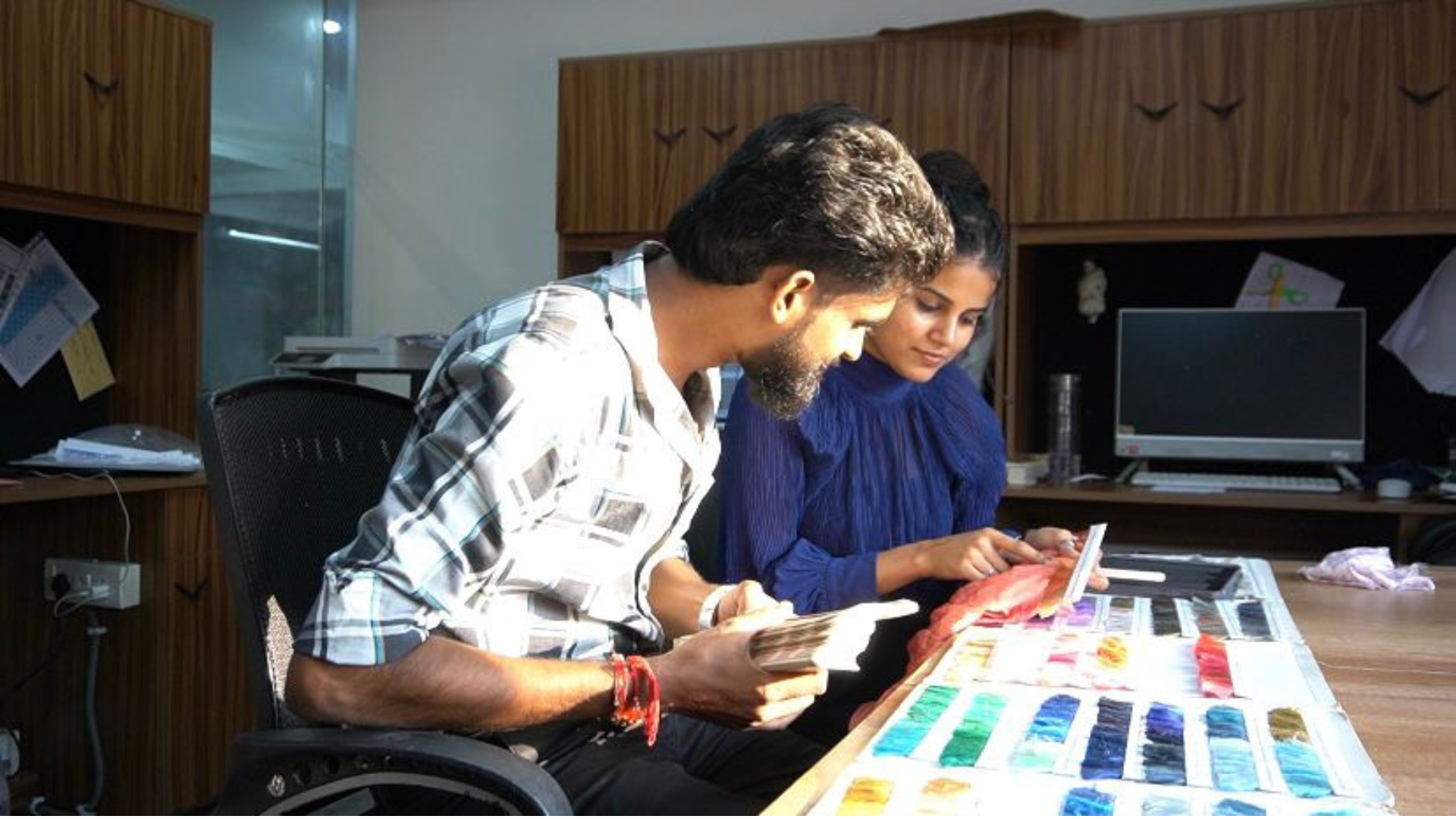
A mood board's colors and textures are matched with real-world fabrics. This step answers: What fabric will best express the drape, comfort, and mood intended? Along with base fabric, trims and accessories — zippers, buttons, embroidery, laces — are chosen to reinforce the design language.
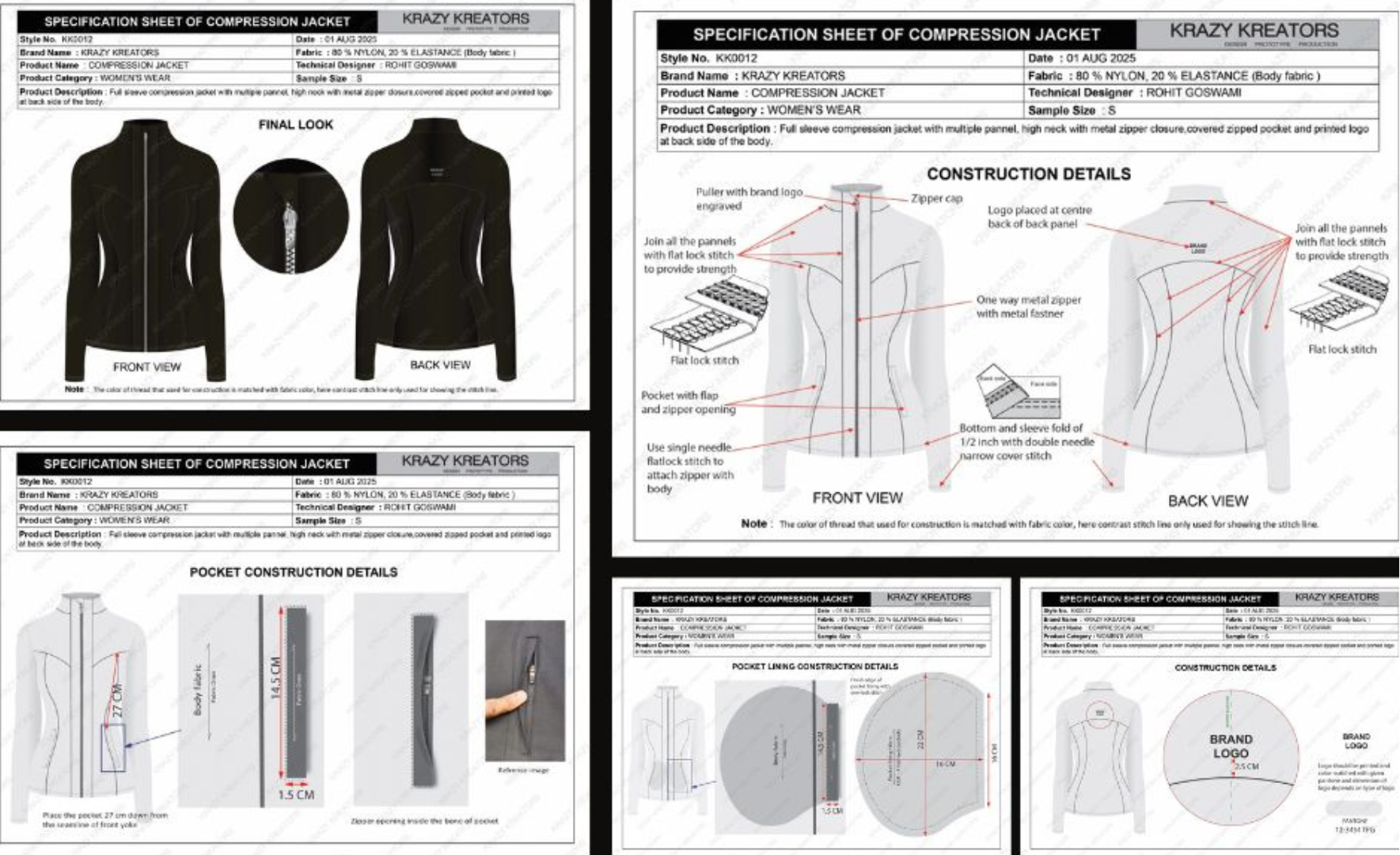
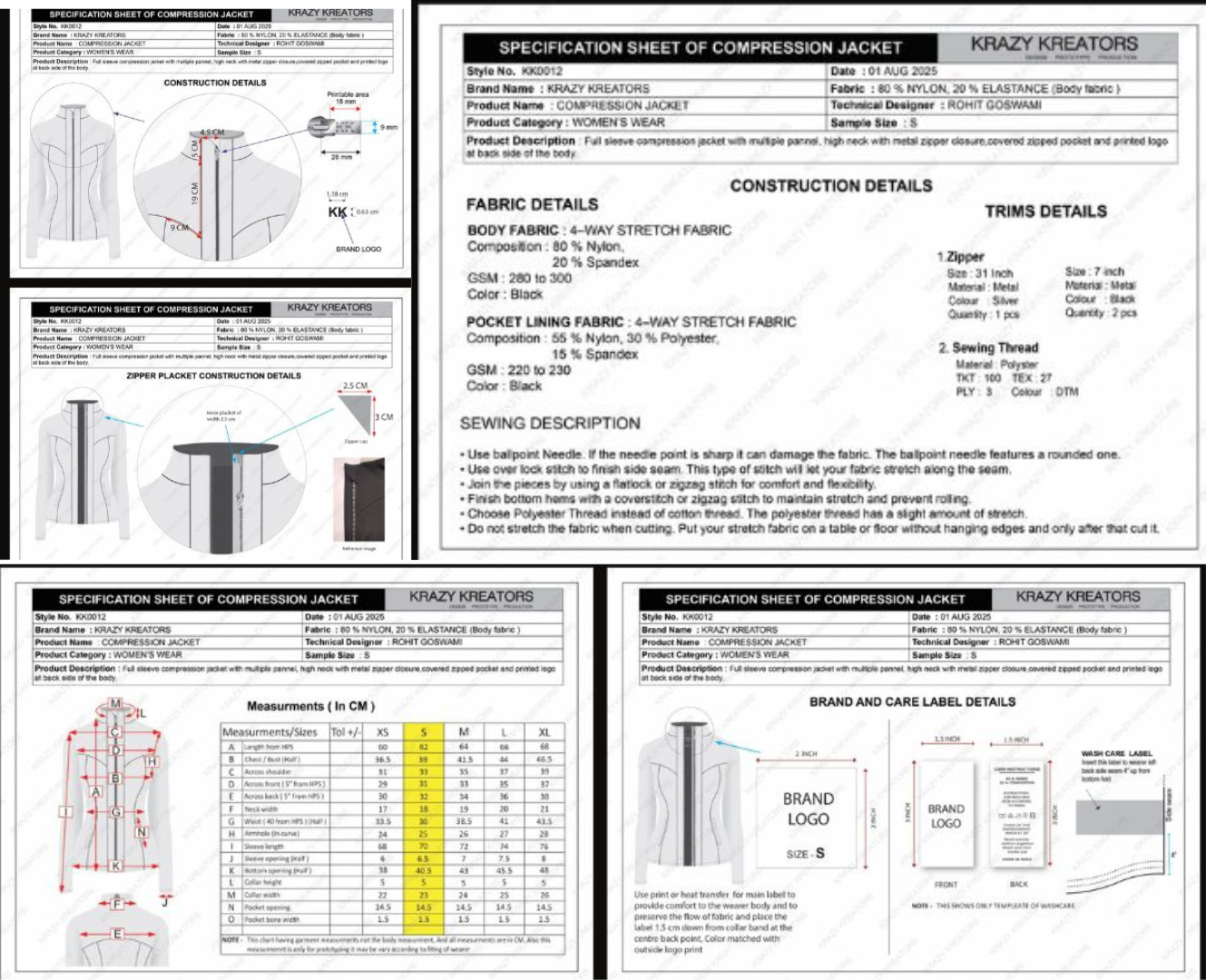
Here the idea starts becoming technical. The tech pack is the designer's language for manufacturers, including:
This is where creativity meets precision. Without this, a design can't be accurately reproduced.
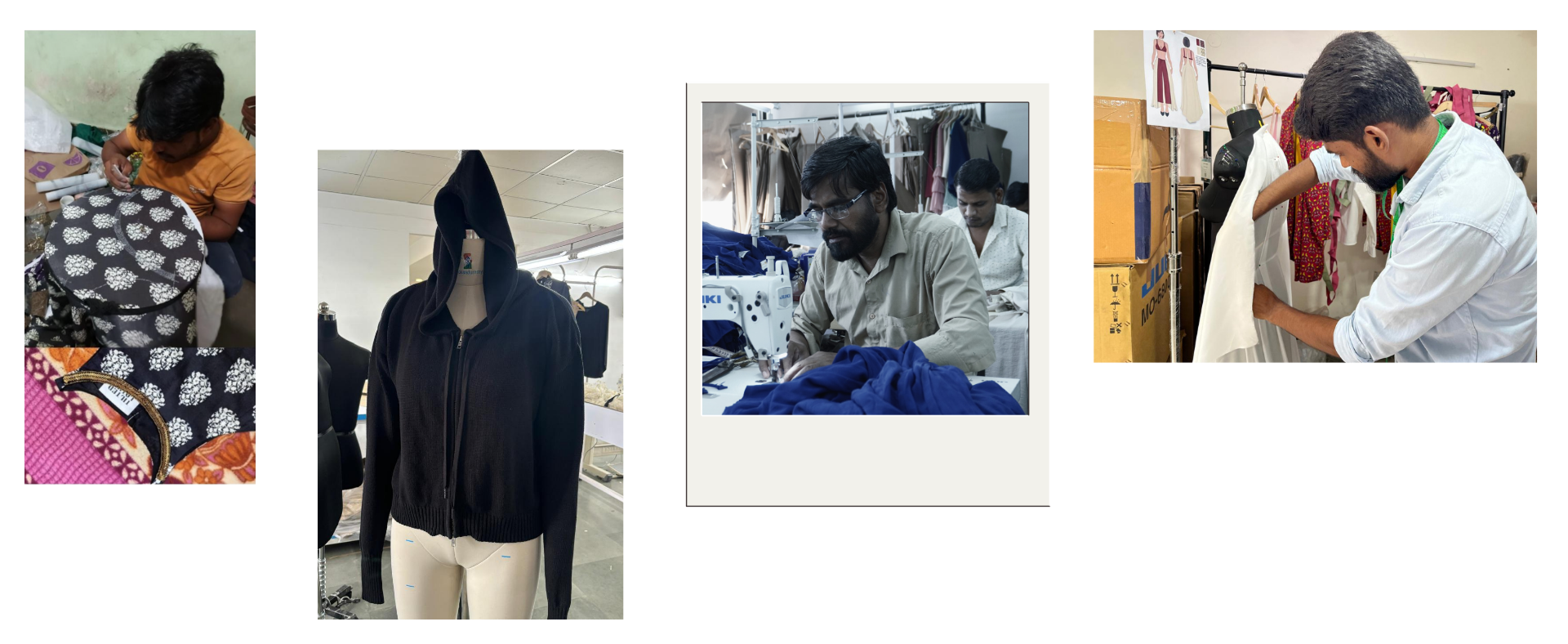
The first tangible form of the garment is created. A prototype or test fit (made from test fabric) helps check silhouette, fit, and construction. Adjustments are made until the garment feels true to the original vision.
Once the prototype is approved, the garment is made in the actual fabric and trims chosen for production. This is the most important checkpoint — because only in the main fabric can one judge the real drape, shine, and finish. Both designers and clients review and approve this sample before moving forward.
Once samples are approved, the garment goes into pre-production. At this stage, patterns are finalized, fabric orders placed, and manufacturing timelines locked.
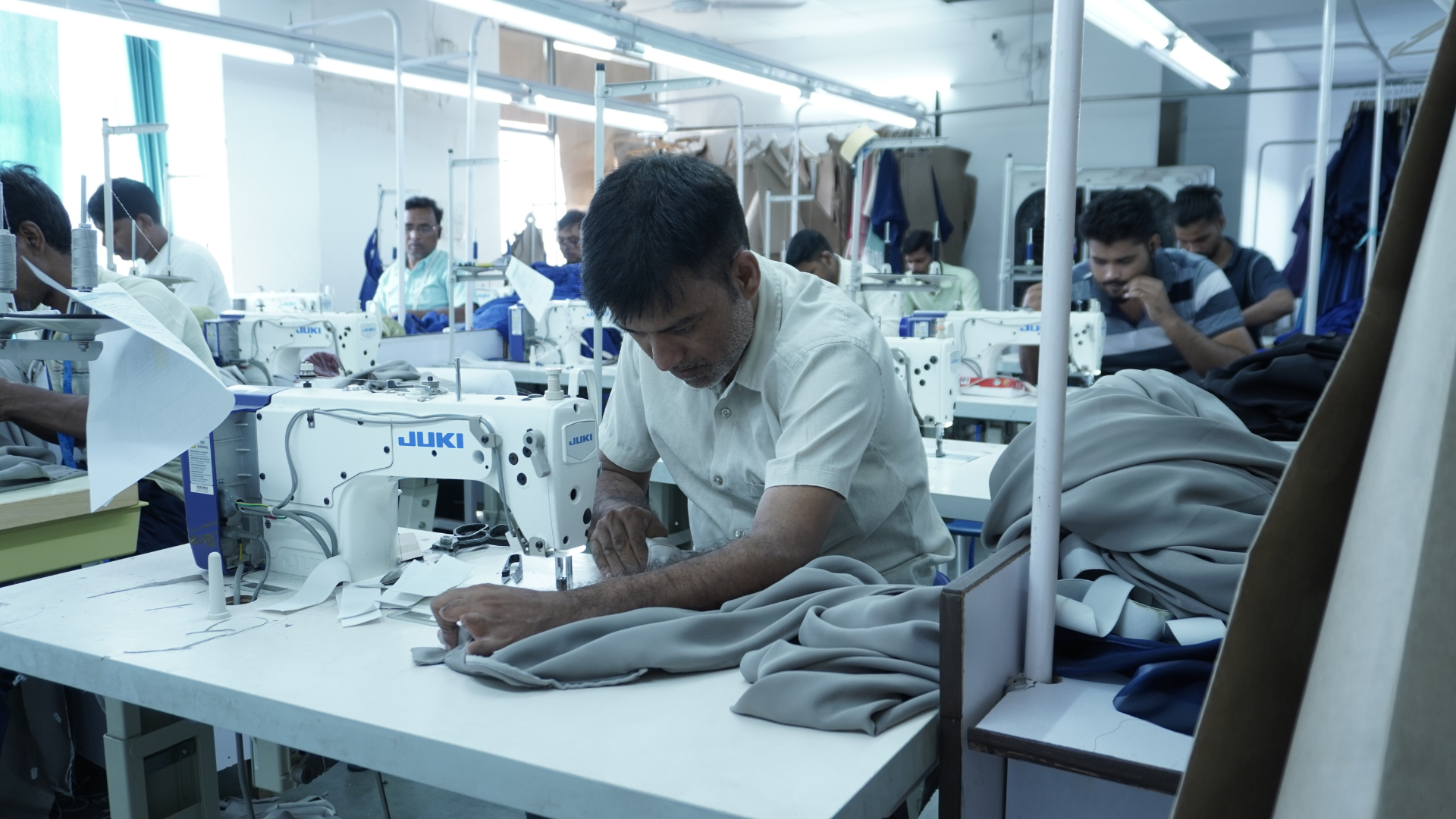
The garment is finally manufactured in bulk. Quality checks ensure every piece matches the sample — in fit, stitching, and finish.
Each step ensures the original inspiration doesn't get lost in the process but instead evolves into something both beautiful and manufacturable.
Be the first to share your thoughts on this article!
Your comment will help others learn and engage with the content.
Discover more articles about fashion design, manufacturing, and industry insights.

Discover how top fashion brands leverage dedicated supply chain partnerships to streamline operations, reduce costs, and accelerate time-to-market.

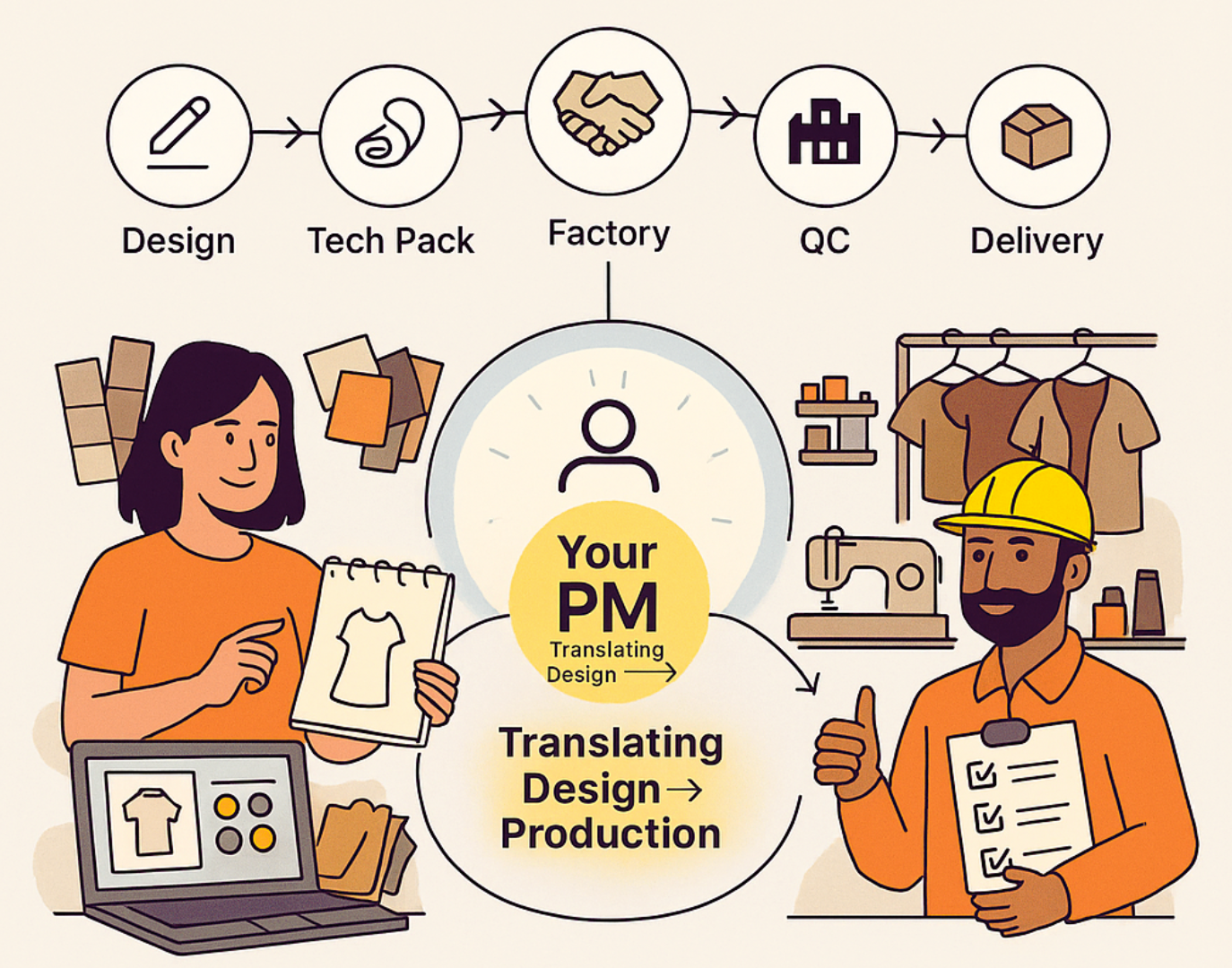
How we solve the biggest disconnect in fashion: making design intent and factory execution speak the same language through dedicated project management and quality control.

Explore the power of collaborative design processes and how working with experienced partners can elevate your fashion collections to new heights.
Let's work together to bring your fashion vision to life with our comprehensive design and manufacturing services.