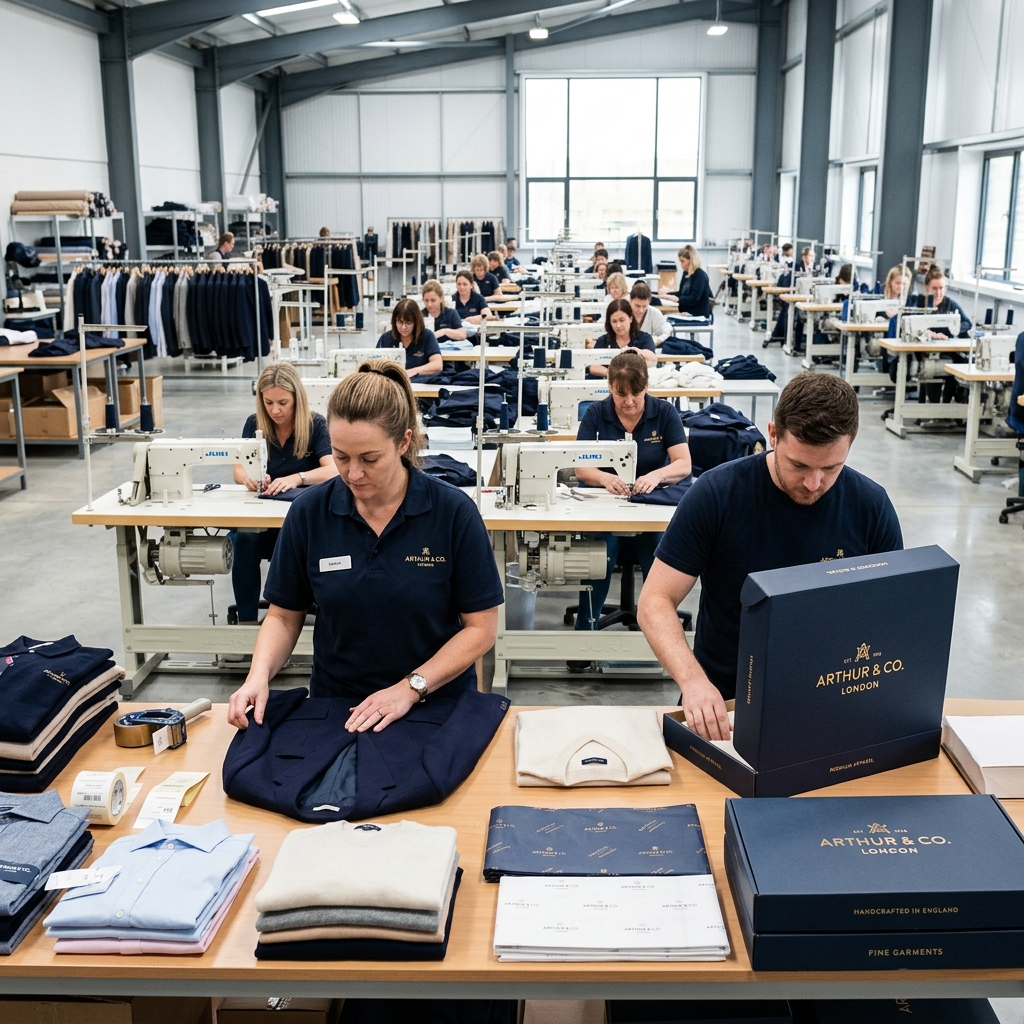
On-Demand Manufacturing in 2026
Why Smart Brands Produce Less and Sell More
The Zero MOQ playbook for launching without inventory risk
Hosted on May 13, 2026
Krazy Kreators Team
There is a quiet shift happening in how clothing brands launch in 2026, and it is showing up in the only place that matters. The P&L. Brands sitting on warehouses of unsold inventory from last season are watching their margins crater, while a new generation of founders is doing the opposite. They are producing 50 units. Then 200. Then 1,000. And they are doing it after the sale happens, not before.
The model has a name. On-demand manufacturing. Search volume for the term more than tripled across 2025, and the founders typing on demand clothing manufacturing 2026 into a browser are not researching for fun. They are researching because the brand next to them just outsold them on half the inventory and a fraction of the capital risk.
Here is what the model actually is, why bulk stopped working for startups, and how to apply it to your own production without losing sleep over capacity or cost.
What On-Demand Manufacturing Actually Means at the Production Level
Strip the buzzword off the model and it is straightforward. You produce garments in response to confirmed demand. Not forecasts, not a vibe from your founder gut, not a number a sourcing agent recommended over WhatsApp. A specific batch of orders comes in. That number of garments gets produced and shipped. The inventory loop runs almost flat.
The three things that change
First, the factory holds raw materials and capacity, not finished garments. Second, batch sizes scale up and down per drop without renegotiating the relationship. Third, your cost-per-unit floats slightly with volume, but it no longer hides 30 percent waste from the units you never sold.
A brand running on-demand is not making garments cheaper per unit. It is making fewer wrong units. That is the whole game.
Why Bulk Became the Default and Why It No Longer Works for Startups
Bulk ordering made sense in 2010. Factories needed predictable runs to schedule labor. Cost-per-unit dropped sharply at 1,000 pieces. Shipping containers were a fixed cost and you wanted them full. Retail stocking depended on physical shelves that had to be filled six months in advance.
None of those constraints still hold for a 2026 D2C brand. You do not need 1,000 units to fill a shelf. You need 50 to validate, 200 to grow, and 1,000 only after the data tells you 1,000 is the right number. The factories that work with startups have already rebuilt around small batches because the demand pattern shifted under them.
The brands still ordering 1,000 units on day one are paying for a system designed for the brands they want to compete with, not the brand they actually are. The math punishes them on the way in and again on the way out.
The Real Cost of Unsold Inventory
Most founders calculate inventory cost wrong. They look at cost of goods, multiply by units, and treat anything sold as profit. The math leaves out four numbers that quietly destroy small brands.
Warehousing
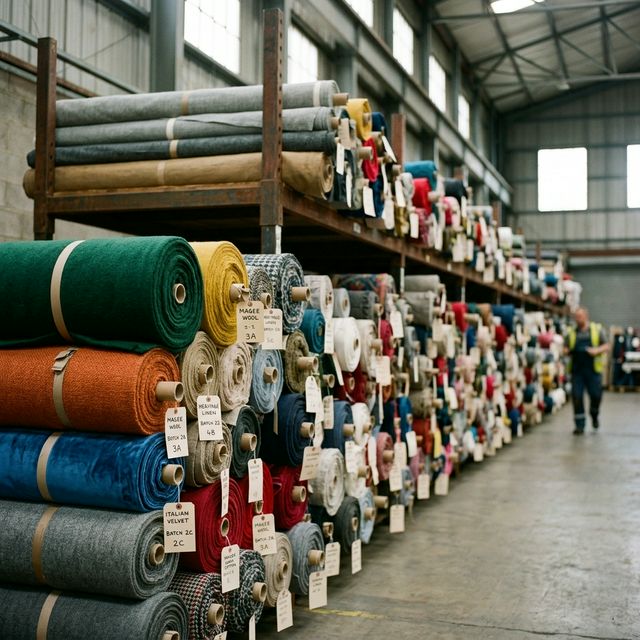
Every unit you do not sell sits somewhere, and that somewhere has a monthly rate. A 1,000-unit overrun in a third-party 3PL adds anywhere from 200 to 800 dollars a month in pure storage, ticking until the inventory clears. For most early brands, that is more than their first month of paid ads.
Locked Capital
Cash spent on bulk inventory is cash you cannot spend on creative, marketing, samples, or the next collection. Founders almost always discover this two months in, when the second drop is delayed because the first one is still in boxes.
Forced Discounting
Unsold inventory has an expiry written into the cash flow statement. By month three you are running 20 percent off. By month six it is 40. The discount is not a marketing decision. It is the only way to free up working capital, and it trains your audience to wait for the next sale.
Seasonal Write-Off
If a style does not move by season end, the value collapses. The fabric is the same. The make is the same. The market just stopped caring. Brands holding bulk are forced to write this off as dead stock, and the loss rarely shows up in the founder's mental P&L until it is too late.
How On-Demand Production Works Step by Step
The model has a rhythm. Once you have it set up with the right manufacturing partner, a complete run from order to shipment looks like this.
Tech pack and sample approval once per style
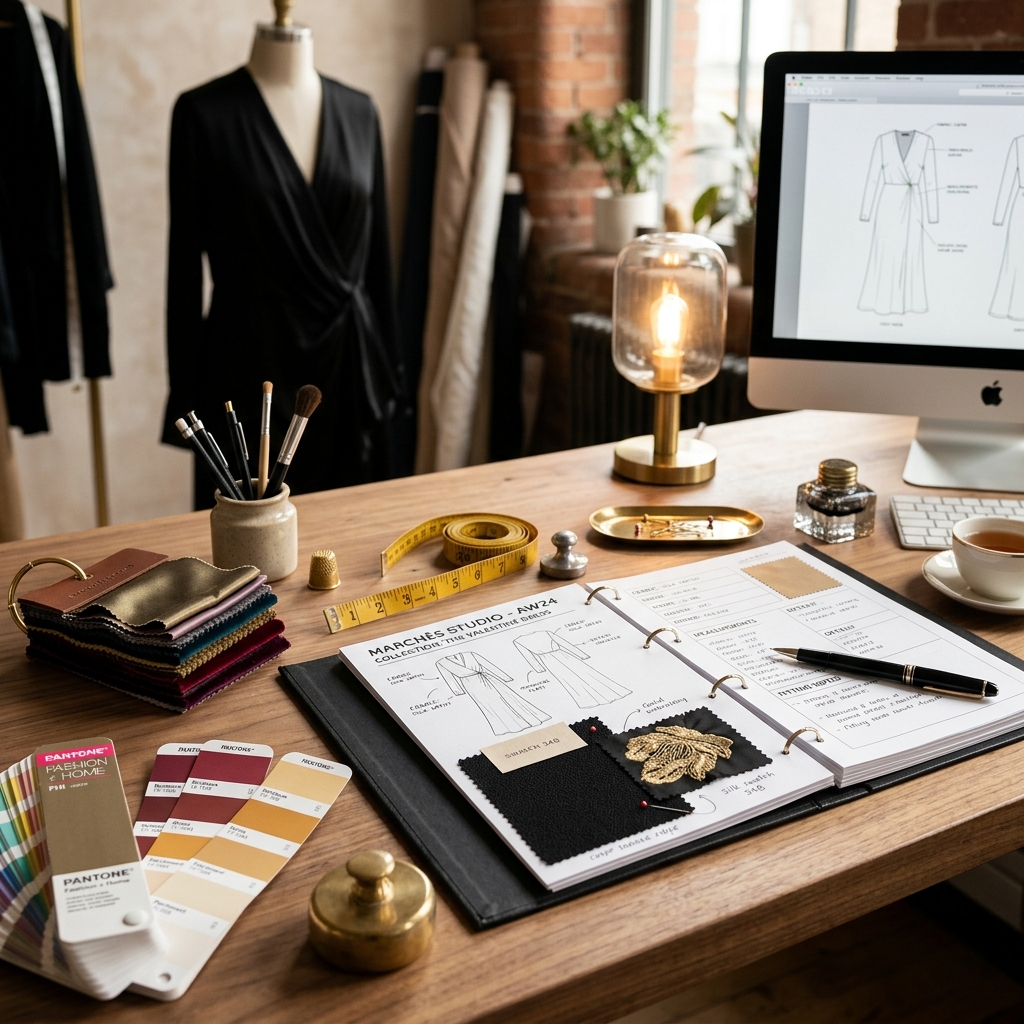
Before any order goes live, the style is sampled, fit-approved, and locked. The factory now has a production-ready file it can run any time, in any quantity.
Fabric and trims held in batch lots
Materials for that style are pre-sourced and held by the factory, not bought line-item per order. That single decision removes weeks of lead time on every reorder.
Order signal triggers a production batch
A preorder window closes, a drop sells out, or a wholesale PO lands. The order count becomes the batch size. Fifty units, two hundred, a thousand — the run starts at the number the market just confirmed.
Small-batch cut, sew, and finish
Production runs on a short cycle because the file is locked and the materials are ready. A well-run small batch can move from trigger to packed in seven to fourteen days for most knit and woven categories.
QC, finishing, and packaging
Every batch is inspected before it leaves. The quality bar does not relax because the run is small. Care labels, hangtags, and polybags are added the same way they would be for a 5,000-unit order.
Direct ship to customer or 3PL
Finished goods either ship straight to your fulfillment partner for a drop, or in some D2C setups, direct to the end customer. Either way, the goods do not sit. The next batch starts when the next signal lands.
Which Product Categories Benefit Most
On-demand is not a universal answer. It rewards some categories aggressively and is neutral or wrong for others. Know which side your line sits on before you commit to the model.
Knits and cut-and-sew basics
Tees, hoodies, joggers, sweats. Fabric is widely available, the process is fast, and the categories are the most price-sensitive to overproduction. On-demand is the dominant model here in 2026.
Printed graphics and streetwear drops
Where the artwork is the draw, the body of the garment is a commodity. DTF and screen printing both adapt cleanly to short runs. Drop culture is built around this rhythm.
Limited editions and preorder collections
Any style designed to live for a specific window. Preorder collections close before production even begins, which makes the order count the only number that matters. Inventory risk drops to near zero.
Categories where on-demand is neutral or wrong
Heavy outerwear with long material lead times. Highly trimmed evening wear with custom hardware. Mass-market basics where per-unit price advantage at 5,000-plus volume actually does beat the inventory savings. Bulk still wins in those corners.
How Krazy Kreators' Zero MOQ Model Is Built on the On-Demand Principle
Zero MOQ is what on-demand manufacturing looks like when it is built into the partner relationship from day one. No floor, no commitment to a minimum, no penalty for starting small. The whole point is to remove the gap between confirmed demand and shippable product.

One sample, no minimum
The first production run can be as small as the order count needs it to be. Test fifty units before scaling to two hundred. No penalty pricing, no hidden setup fees once the style is locked.
Reusable style files
Once a style is approved, the tech pack, fit notes, and material spec stay live. Restocks do not restart the timeline. A reorder can move from trigger to in-production the same week.
Production on signal
You decide what triggers the next batch. A preorder window closing. A wholesale PO arriving. A sellout on a drop. We schedule capacity around your signal, not a six-month forecast.
The brands we onboard on this model usually describe the same feeling after their first three drops. They sold every unit they produced, they did not pay for inventory they could not move, and they spent that capital on growth instead. That is the whole point.
The Bottom Line
In a market where more than 60 percent of global shoppers are cutting fashion spending, the brands holding bulk inventory are competing on the wrong axis.
The structural advantage in 2026 belongs to the brands that only produce what they sell. Smaller drops, faster cycles, less locked capital, no fire-sale at the end of the season. On-demand manufacturing is not a hack and it is not a trend that will reverse. It is the new floor for how lean fashion brands operate. The earlier you build your supply chain around it, the more your second year looks like growth instead of inventory cleanup.
Only Produce What You Sell
Krazy Kreators' Zero MOQ model gives you that control from your first order. Start your first on-demand production run with us — book a free call and we will map the timeline to your launch.
No comments yet
Be the first to share your thoughts!