
Streetwear 2.0: Heavy GSM, Puff Prints, and Acid Washes
The market is evolving. Here is the technical execution behind the current aesthetic obsession.
Krazy Kreators Team
February 09, 2026
Streetwear is evolving. The era of flimsy blanks, basic screen prints, and generic cuts is over. We are entering "Streetwear 2.0"—a movement defined by a demand for extreme substance, tactile texture, and unique character.
For years, brands could get away with printing a logo on a standard Gildan or Alstyle blank. Today, the consumer is far more educated. They understand fabric weight, they recognize specialized wash treatments, and they can feel the difference between a standard print and a technical application.
Currently, the market is obsessed with three key elements: **Heavyweight (240+ GSM) tees**, **Puff Printing**, and **vintage Acid Washes**. This isn't just a fleeting trend; it's a fundamental shift towards tactile, premium-feeling garments that justify higher price points and build lasting brand loyalty.
Why This Works
This is highly specific. When a designer searches "how to manufacture acid wash hoodies," they are looking for technical capability, not just a vendor. Mastering these techniques positions your brand not just as a seller of clothes, but as a technical leader in the space.
1. Heavyweight GSM (240+)
GSM (Grams per Square Meter) is the definitive metric for fabric weight. The standard 160-180 GSM tee feels cheap in today's market. Streetwear 2.0 demands 240 GSM to 300 GSM for t-shirts and 400+ GSM for hoodies.
Why Heavyweight?
- Structure & Drape: Unlike thinner fabrics that cling, 240+ GSM cotton creates its own silhouette. It holds a "boxy" shape that stands away from the body, which is the cornerstone of the modern streetwear aesthetic.
- Durability: These garments survive rigorous washing cycles without twisting, shrinking, or piling. They age better, often softening with time while maintaining their structure.
- Perceived Value: The physical weight immediately signals quality to the customer. When a customer picks up a 300gsm tee, the "heft" justifies a higher retail price point immediately.
Best Fibers for Heavy GSM
Simply increasing weight isn't enough. You need the right yarn.
- Combed Cotton: Smooth, strong, and perfect for printing.
- French Terry: Ideal for hoodies, with looped interior for comfort.

2. Puff Printing
Flat screen prints are standard. Puff prints add a third dimension. By adding a foaming agent to the plastisol ink, the print expands when heat-cured, creating a raised, 3D effect.
Technical Considerations
Mesh Count
Use lower mesh counts (e.g., 60-86) to allow more ink deposit for better puff expansion.
Curing Temp
Precise temperature control is critical. Over-curing can cause the puff to collapse.
Artwork
Avoid fine lines. Bold, blocky designs work best for maximum impact.

Common Pitfalls
The most common issue with puff printing is cracking. If the curing temperature varies even by a few degrees or the dwell time is insufficient, the puff ink won't cure all the way through. This leads to the "marshmallow effect"—soft inside, hard shell—which cracks deeply after the first wash.
"Don't try to puff fine text. The expansion will close up the letters (filling in the loops of 'e's and 'a's). Stick to bold logos and typography at least 12pt thickness."
3. Acid Washes (Vintage Wash)
The "perfectly new" look is out. The "lived-in" aesthetic is in. Acid washing involves soaking pumice stones in chlorine bleach and tumbling them with the garments. This strips color irregularly, creating a unique, vintage patina.
The Process
It's a chemical artistry. The duration of the tumble, the concentration of bleach, and the size of the stones all dictate the final pattern. No two pieces are exactly alike.
Variations
- Mineral Wash: A softer, more subtle variation using enzyme washes.
- Sun-Faded: Focuses on fading shoulders and seams to mimic sun exposure.
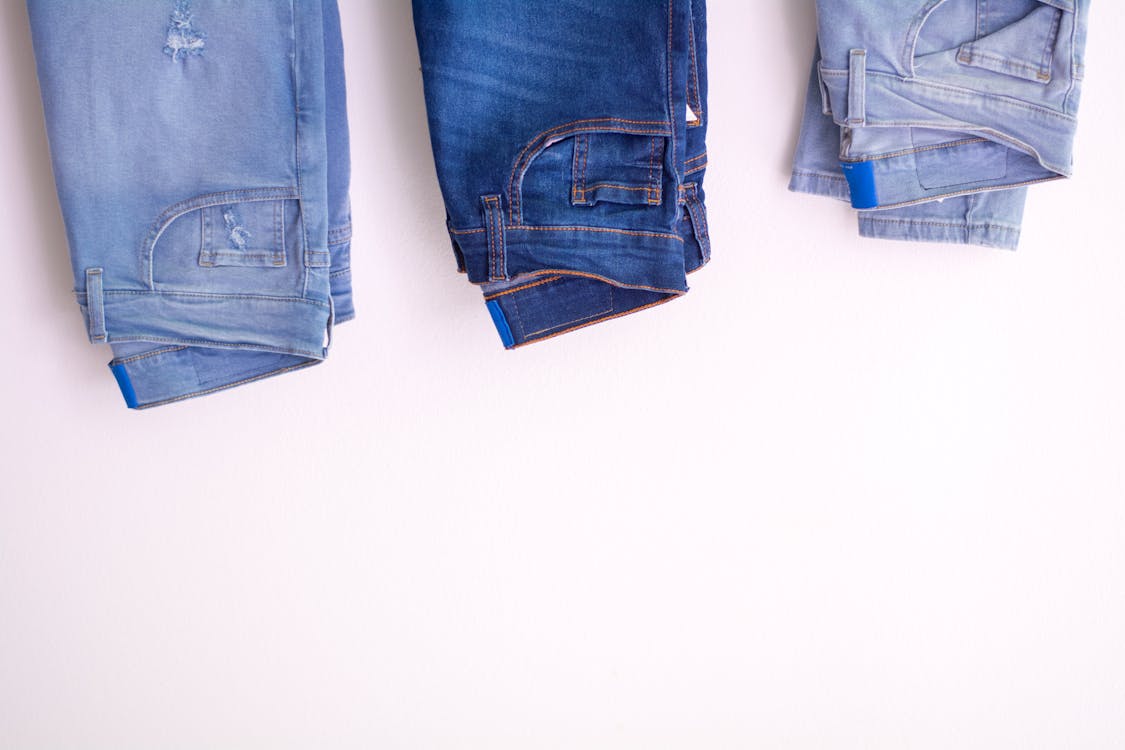
Beyond Acid: Advanced Wash Techniques
4. Fit Engineering: The Boxy Cut
A heavy fabric is wasted on a standard "retail fit." The Streetwear 2.0 aesthetic relies on specific pattern engineering to compliment the heavy drape of the fabric.
Seams sit 2-3 inches off the shoulder cap, creating a relaxed, slouchy vibe.
Chest measurements are increased by 2-4 inches compared to standard sizing for "boxiness."
Slightly shorter body length prevents the "dress" look when wearing oversized widths.
1-inch or 1.25-inch neck ribs are mandatory to balance the visual weight of the heavy body fabric.
5. The Manufacturing Checklist
If you are sourcing these garments, do not just send a photo and hope for the best. Use this checklist to vet your manufacturer:
- 1Test Wash ReportsAsk for lab dips and shrinkage reports. Heavy cotton can shrink up to 5-7% if not pre-shrunk properly.
- 2Puff Height SamplesRequest physical samples of different puff heights. "High density" puff is very different from "suede" puff. Be specific.
- 3Neutralization ConfirmationFor acid washes, ensure the manufacturer performs a thorough neutralization bath. Residual chlorine will rot the cotton over time.
Executing the Vision
Combining these three elements—Heavy GSM, Puff Prints, and Acid Wash—creates a product that screams "Streetwear 2.0". It's tactile, visual, and substantial.
Don't just chase the trend; understand the manufacturing that makes it possible. That is how you build a brand with staying power.
Looking for a Manufacturer Who Can Execute Streetwear 2.0?
Krazy Kreators has the technical capability to handle heavy GSM fabrics, specialized puff printing, and custom wash treatments. Let's bring your vision to life.
Did you find this guide helpful?
Discussion (0)
Leave a Reply
No comments yet. Be the first to share your thoughts!