
Sustainability Simplified
Organic Cotton, GOTS, and Recycled Polyester explained—without the greenwashing.
Krazy Kreators Team
April 10, 2026
"Eco-friendly" has become the fashion industry's favorite buzzword. But let's be honest—when you're trying to build a modern, purpose-driven brand, navigating the world of eco-certifications and sustainable materials can feel overwhelming.
You want to create products that you can genuinely market as sustainable without falling into the "greenwashing" trap. But jumping in without understanding the differences between conventional, organic, and recycled fibers can lead to poor decisions about hand-feel, pricing, and ultimately, your brand's integrity.
In this guide, we're cutting through the noise. We'll simplify what makes organic cotton and recycled polyester different from their conventional counterparts, explain why certifications like GOTS matter, and weigh the very real pros and cons of implementing these materials in your supply chain.
1. Organic Cotton: More Than Just a Marketing Term
Cotton is one of the most widely used fabrics globally, but conventional cotton is notoriously thirsty and chemically intensive. Transitioning to organic cotton is often the first step brands take toward sustainability. But what does it actually mean?
Simply put, organic cotton is grown without the use of toxic synthetic pesticides or fertilizers. It relies on natural farming methods that are better for the soil, better for the farmers, and ultimately, use significantly less water compared to conventional farming.
The Upside (Pros)
- Incredible Hand-Feel: Since the fibers haven't been broken down by harsh chemicals during farming, organic cotton often yields a softer, more luxurious feel.
- Hypoallergenic: It's inherently hypoallergenic, making it ideal for babywear or brands focusing on sensitive skin.
- Marketing Power: Consumers instantly recognize and trust the term "organic cotton."
The Downside (Cons)
- Premium Cost: Farming organic cotton is a labor-intensive process with lower yields. Expect to pay a 15% to 30% premium over conventional cotton.
- Supply Constraints: True organic cotton makes up a tiny fraction of global cotton production, meaning lead times can occasionally be longer if not sourced properly.
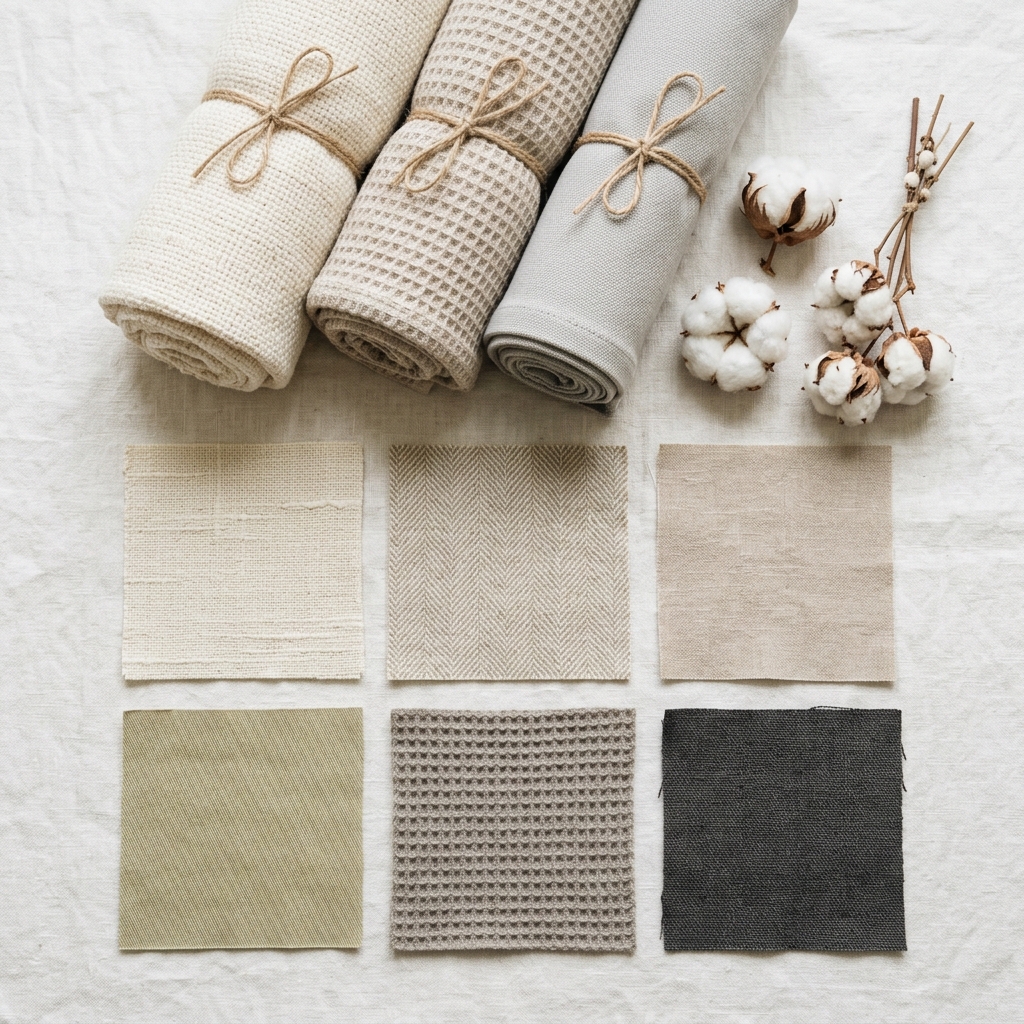
The tactile difference of high-quality organic cotton is immediately noticeable compared to chemical-heavy conventional fibers.
2. Decoding GOTS (Global Organic Textile Standard)
Claiming a t-shirt is "made with organic cotton" is easy. Proving it is hard. This is where GOTS comes in. GOTS is the worldwide leading textile processing standard for organic fibers.
Why GOTS Matters
GOTS isn't just about the farming of the raw cotton; it traces the entire supply chain. For a garment to be GOTS-certified, it means no toxic heavy metals were used in the dyes, wastewater was properly treated before being released back into the environment, and strict social criteria (fair labor practices) were enforced at the factory level.
If you want to protect your brand from greenwashing accusations, a GOTS certification is your bulletproof vest. It confirms to your customers that you have done the rigorous legwork behind the scenes.
3. Recycled Polyester (rPET): Engineering with Waste
Polyester is essentially plastic, derived from petroleum. It's incredibly durable, moisture-wicking, and essential for activewear and outerwear. The sustainable alternative? Recycled Polyester (rPET), which is made by melting down existing plastics (most commonly post-consumer water bottles) and re-spinning them into new textile fibers.
The Upside (Pros)
- Waste Reduction: It gives a second life to materials that would otherwise end up in oceans or landfills.
- Energy Efficiency: Producing rPET requires roughly 50% less energy than producing virgin polyester.
- Performance: It performs exactly like virgin polyester in terms of strength, stretch, and moisture management.
The Downside (Cons)
- Hand-feel Variations: Depending on the supplier, rPET can sometimes feel slightly stiffer than virgin polyester. (However, premium mills have bridged this gap significantly in recent years).
- Microplastics: Like all synthetic fabrics, recycled polyester still sheds microfibers locally when washed. It solves a waste problem but isn't entirely flawless ecologically.
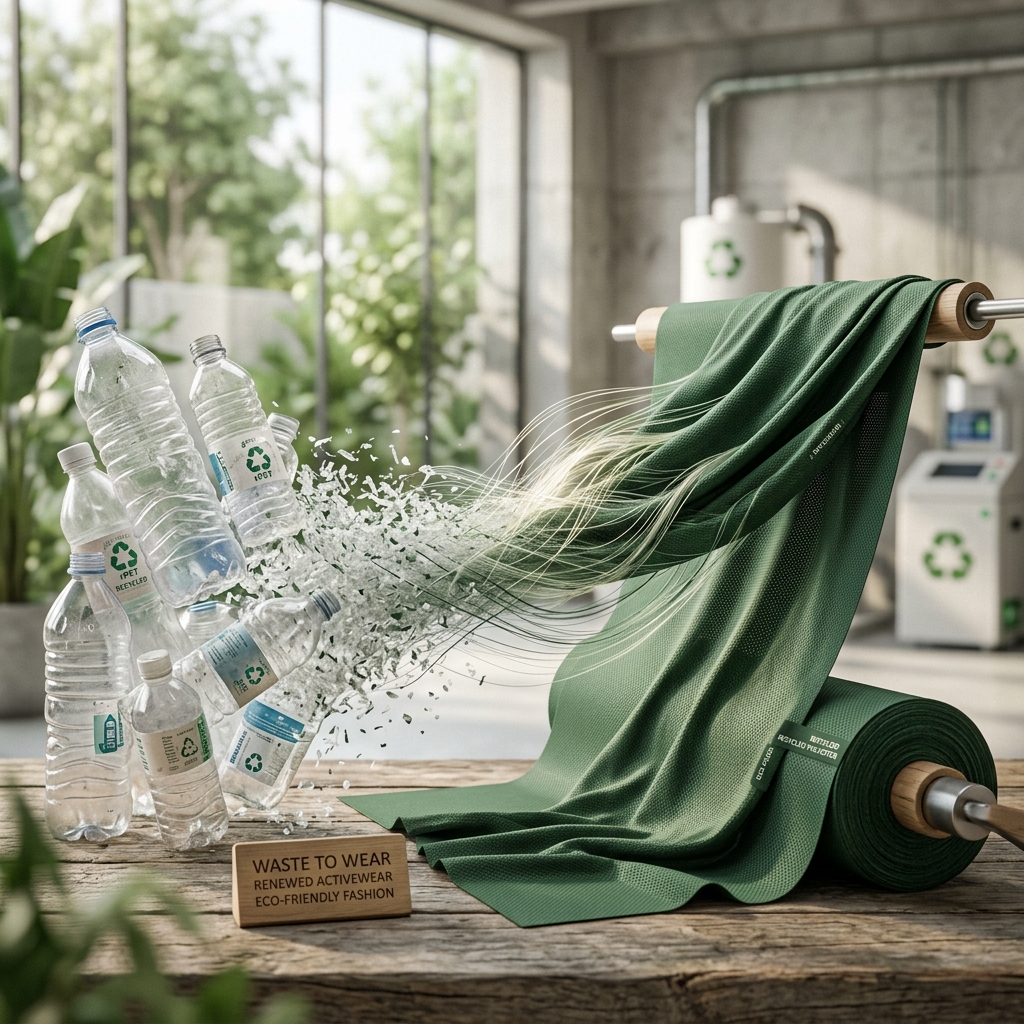
High-end Recycled Polyester (rPET) achieves identical performance metrics to virgin plastic.
4. Building an Honest Brand
The modern consumer is hyper-aware. They can see straight through vague claims like "Eco-Friendly Fabric." If you're building a purpose-driven brand, transparency is your greatest marketing tool. Tell your customers exactly why you chose organic cotton, and don't be afraid to mention that while recycled polyester isn't perfect, it's a massive step in the right direction.
Sourcing Sustainably with Krazy Kreators
We understand that balancing ethics with unit economics is tough. That's why we guide our partners through every step of sustainable sourcing.
- Traceable Supply Chains: We source textiles from audited, reputable mills providing verifiable certifications.
- Realistic Costing: We help you forecast the exact financial impact of switching from conventional to organic materials to protect your margins.
- Fabric Library Access: Touch and feel GOTS organic cotton and premium rPET before making your production commitments.
The Takeaway
Sustainability isn't all-or-nothing; it's a progression. You don't need to be 100% impact-free on day one. Start by upgrading your hero products to organic cotton, or swap your outerwear linings to recycled polyester. Every step counts, and communicating these choices transparently will win you the lasting loyalty of conscious consumers.
Let's craft your sustainable collection.
Connect with the Krazy Kreators team today to explore our library of certified sustainable fabrics for your next manufacturing run.
Did you find this guide helpful?
Discussion (0)
Leave a Reply
No comments yet. Be the first to share your thoughts!