
Sustainable Manufacturing: How to Build an Eco-Friendly Fashion Brand
Smarter manufacturing, greener results. The complete playbook for conscious brands in 2026.
Krazy Kreators Team
March 20, 2026
Sustainability is no longer a marketing buzzword—it's a business imperative. The modern consumer doesn't just want to wear good clothes; they want to wear clothes that reflect their values. For fashion brands, this means the era of "greenwashing" is over, and the era of genuine, auditable sustainability has begun.
The numbers are staggering: the fashion industry accounts for roughly 10% of global carbon emissions and nearly 20% of global wastewater. Consumers are paying attention. A 2025 McKinsey report found that 67% of consumers now consider sustainability when making a purchase, and they're willing to pay a 10-15% premium for genuinely eco-friendly products.
But here's the critical nuance: "sustainable" isn't just about the fabric. It's the entire lifecycle—from fiber sourcing and dyeing processes to labor ethics, packaging, logistics, and end-of-life recyclability. Building a truly eco-friendly fashion brand requires a systems-level approach to manufacturing.
Why This Matters for Your Brand
Brands that lead on sustainability don't just attract conscious consumers—they attract premium pricing, retail partnerships (Nordstrom, Selfridges), and press coverage that money can't buy. This isn't an expense; it's an investment in long-term brand equity.
1. Sustainable Fabrics: The Foundation of Green Fashion
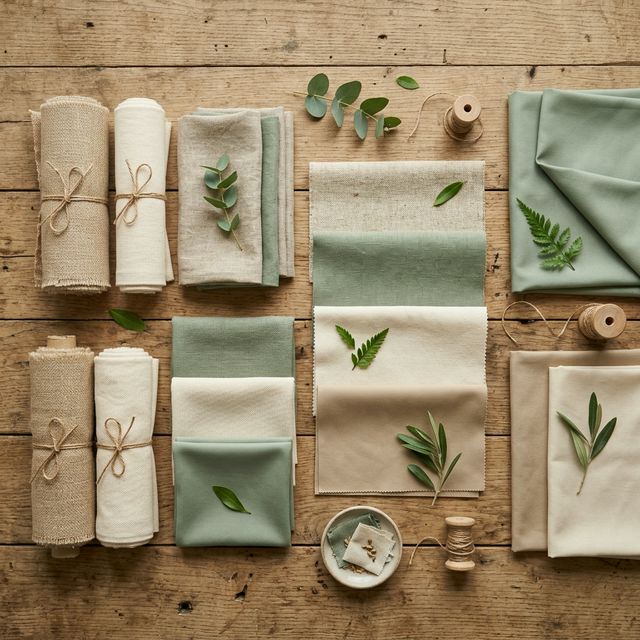
Every sustainable garment starts with the fiber. The choice of raw material determines the environmental footprint of the entire product. Here's a breakdown of the best options for eco-conscious brands in 2026:
Organic Cotton (GOTS Certified)
Grown without synthetic pesticides or GMO seeds, GOTS-certified organic cotton uses up to 91% less water than conventional cotton (Textile Exchange, 2025). It's the gold standard for sustainable basics, tees, and denim.
- Best for: T-shirts, denim, basics, loungewear
- Cost impact: 15-30% more than conventional cotton
- Certify with: GOTS (Global Organic Textile Standard)
Recycled Polyester (rPET)
Made from post-consumer plastic bottles or recycled garments, rPET reduces the carbon footprint of virgin polyester by up to 75%. It retains all the performance properties—moisture-wicking, durability, stretch—with a fraction of the environmental cost.
- Best for: Activewear, outerwear, linings
- Cost impact: 10-20% more than virgin polyester
- Certify with: GRS (Global Recycled Standard)
TENCEL™ Lyocell
Made from sustainably sourced wood pulp in a closed-loop process that recovers 99% of the solvent used. Silky soft, breathable, and biodegradable.
Hemp
Requires zero pesticides and 50% less water than cotton. Naturally antimicrobial. Gets softer with every wash while maintaining structural integrity.
Bamboo Linen
Bamboo grows rapidly without fertilizer. Mechanically processed bamboo linen (not viscose) is a truly sustainable alternative with a luxurious drape.
Sustainable Fabric Comparison
| Fabric | Water Usage | Carbon Footprint | Biodegradable | Cost Premium |
|---|---|---|---|---|
| Organic Cotton | Low | Low | ✅ Yes | +15-30% |
| Recycled Polyester | Very Low | Very Low | ❌ No | +10-20% |
| TENCEL™ | Very Low | Low | ✅ Yes | +20-35% |
| Hemp | Very Low | Very Low | ✅ Yes | +25-40% |
| Bamboo Linen | Low | Low | ✅ Yes | +20-30% |
2. Ethical Labor: The Human Side of Sustainability

A garment isn't truly sustainable if the people who made it were exploited. Ethical labor practices are the non-negotiable pillar of any genuine sustainability strategy. Post-Rana Plaza, this is no longer optional—it's a regulatory and reputational requirement.
What Ethical Manufacturing Looks Like
Fair Wages
Living wages—not just minimum wages. There's a massive difference. A fair wage covers housing, food, healthcare, education, and savings. Partner with manufacturers who can prove wage audits.
Safe Working Conditions
Well-ventilated facilities, proper lighting, fire safety systems, access to clean water, and reasonable working hours (no more than 48 hours/week + voluntary overtime).
No Child Labor
Verified age documentation for all workers. Third-party audits (SMETA, BSCI, SA8000) to ensure compliance across the entire supply chain, including subcontractors.
Transparency
Open factory doors. Invite your customers to see where their clothes are made. Brands like Everlane and Patagonia have turned radical transparency into a competitive advantage.
Key Certifications to Look For
3. Minimizing Waste: From Design to Delivery
The fashion industry generates 92 million tonnes of textile waste annually. A truly sustainable brand designs waste out of the system from the very first sketch. Here are the strategies that work:
Design patterns that interlock like puzzle pieces on the fabric, using 100% of the material with no off-cuts going to landfill.
Produce only what's been sold. Eliminates deadstock entirely. Combined with the Drop Model (low MOQ), this is the gold standard.
Transform leftover fabrics and off-cuts into accessories, patchwork pieces, or limited-edition capsules.
Replace poly bags with compostable mailers. Use recycled cardboard boxes. Eliminate unnecessary tissue paper and plastic hangers.
Sustainable Dyeing & Finishing
4. Building Your Ethical Supply Chain
The supply chain is where sustainability either becomes real or falls apart. A brand can use organic cotton but if it's dyed in a factory dumping chemicals into a river, the sustainability claim is meaningless.
Your Sustainable Supply Chain Checklist
- 1Audit Your Tier 1 & Tier 2 SuppliersTier 1 is your garment factory. Tier 2 is the fabric mill. Both need to meet your sustainability standards. Don't just audit the sewing floor—audit the dyehouse.
- 2Demand Certified Raw MaterialsGOTS for organic cotton, GRS for recycled polyester, FSC for wood-based fibers (TENCEL). No certificate, no order.
- 3Map Your Carbon FootprintUse tools like the Higg Index or Carbon Trust to measure and report your CO₂ emissions per garment. Set reduction targets annually.
- 4Consolidate ShipmentsSea freight over air freight whenever possible (40x lower emissions). Consolidate orders to reduce the number of shipments per year.
- 5Choose ProximityNearshoring or working with manufacturers in regions like India (powered by solar and wind energy) significantly cuts transportation emissions.
Frequently Asked Questions
Is sustainable manufacturing more expensive?
Yes, initially. Sustainable fabrics carry a 10-40% premium. However, brands using sustainable practices report 20-30% higher customer lifetime value, lower return rates, and significantly stronger wholesale relationships. The ROI is clear within 12-18 months.
What certifications should I prioritize first?
Start with GOTS (for cotton products) or GRS (for recycled materials) and OEKO-TEX Standard 100. These are the most widely recognized by retailers and consumers globally. Add SA8000 or WRAP for social compliance as you scale.
Can I start small with sustainability?
Absolutely. Start with one capsule collection using organic cotton. Switch to compostable poly bags. Choose a manufacturer with existing certifications. You don't need to overhaul everything at once—but you need to start.
How do I communicate sustainability to my customers?
Be specific, not vague. Don't say "eco-friendly." Say "Made from GOTS-certified organic cotton, dyed with OEKO-TEX approved dyes, in an SA8000-certified facility." Specificity builds trust. Consider adding a QR code to your hang tags linking to your supply chain story.
The Future is Green—and Profitable
Sustainability isn't a cost center—it's your competitive moat. The brands winning in 2026 are those who can prove their green credentials with certificates, not just Instagram posts. The consumer has evolved. Your manufacturing must evolve with them.
Build with intention. Manufacture with integrity. The market will reward you.
Looking for a Sustainable Clothing Manufacturer?
Krazy Kreators combines eco-friendly fashion production with premium quality. From organic cotton sourcing to OEKO-TEX certified processes, we help conscious brands manufacture responsibly.
Did you find this guide helpful?
Discussion (0)
Leave a Reply
No comments yet. Be the first to share your thoughts!