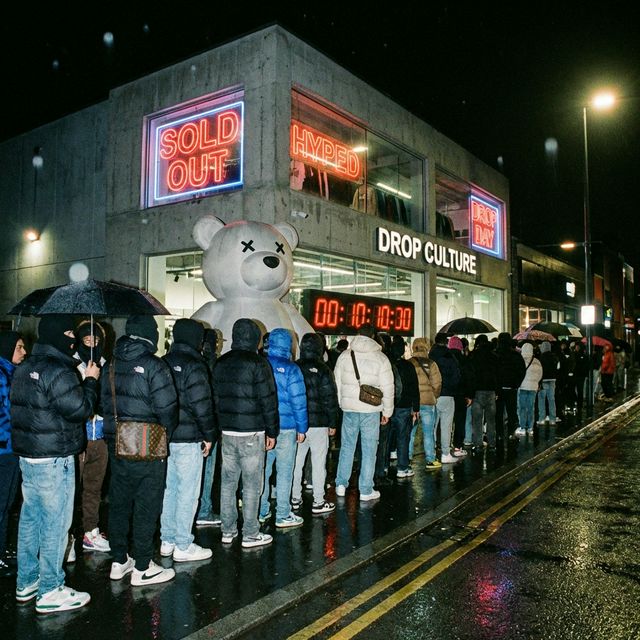
The 'Drop Culture' Model
Strategies for Sold-Out Collections: Solving high inventory risk with hype and flexibility.
Krazy Kreators Team
February 25, 2026
The traditional fashion calendar—designing enormous Spring/Summer or Fall/Winter collections months in advance—is broken. For modern, independent labels, this older system means ordering thousands of units upfront, tying up vital cash, and crossing your fingers that the trend holds out.
Instead, brands like Supreme, Corteiz, and a sprawling ecosystem of successful D2C labels have abandoned the massive seasonal drop for the "Drop Culture" model: limited, frequent releases that operate outside the industry norm.
Why are they doing this? It isn't just about building hype. It's a fundamentally smarter business model designed to solve the fashion brand's greatest existential threat: inventory risk.
What We'll Cover
We break down why the Drop Model ensures business stability, creates undeniable brand momentum, and how you can use Low MOQ manufacturing to execute it without crippling upfront capital.
1. The Trend: Why traditional seasons are dead
Pioneered by streetwear legends and now adopted by luxury houses and agile indies alike, the "Drop" is a focused product release, tightly marketed and available in incredibly limited quantities. Rather than producing 40 different SKUs at once and waiting 6 months to see what sells, drops usually focus on 1-4 key pieces—like a killer graphic tee, a custom heavyweight hoodie, or a statement jacket.
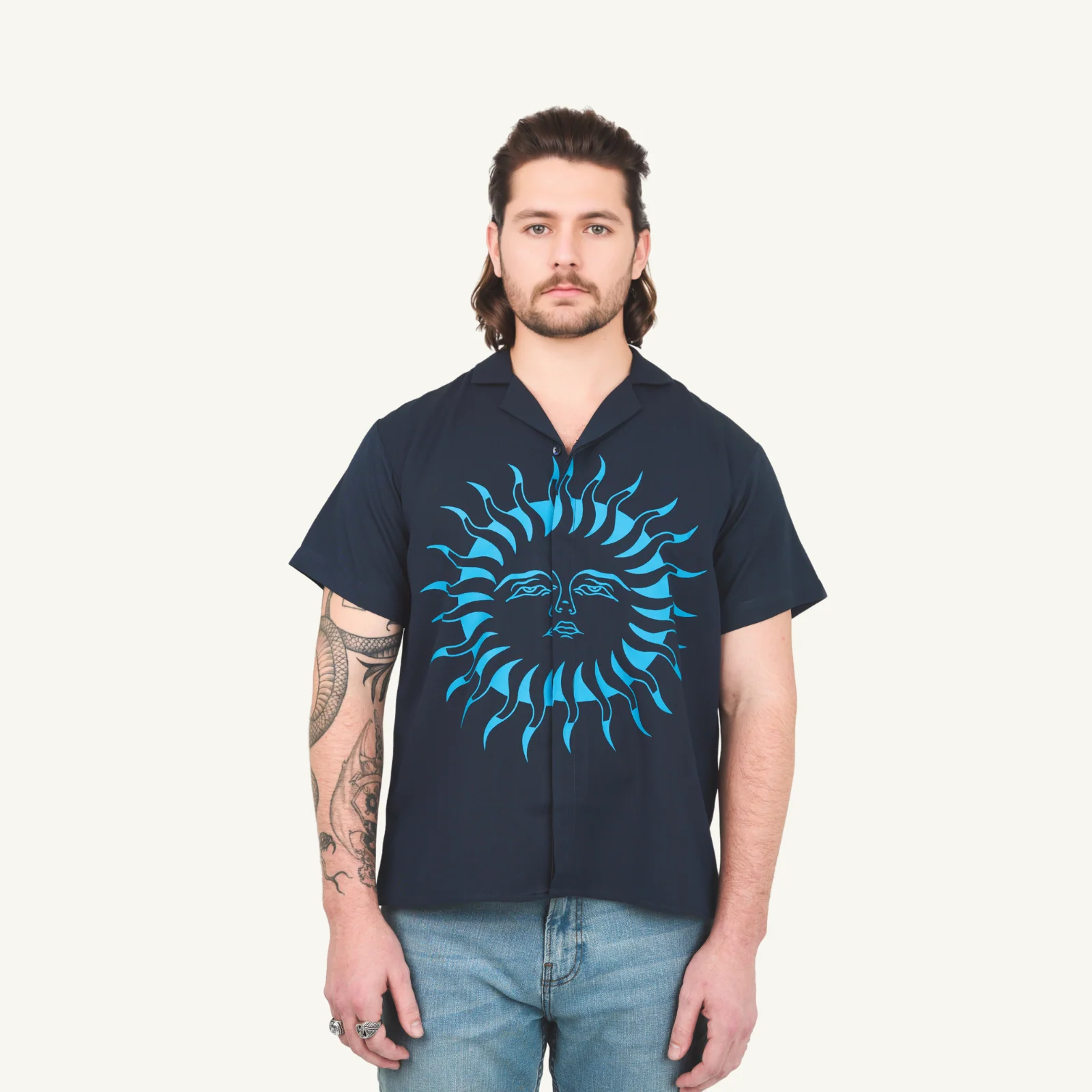
Traditional vs. Drops
- Traditional: Orders 10,000 units. Prays the weather hits right. Sweats over storing inventory. Discounts leftovers at 50% off.
- Drop Model: Promotes 100-300 units heavily to an engaged community. Sells out in minutes. Leaves the audience starving for more. Zero leftovers.
The Scarcity Principle
When an item is always available, the customer will say: "I'll buy it next paycheck." But if you announce that there are exactly 150 Hoodies and they will never be restocked? The customer buys it now. It shifts the power dynamic entirely back to the brand.
2. Why It Works: Killing the "High Inventory Risk" Monster
Most clothing brands don't die because their designs are bad. They die because they run out of cash. This happens when their capital is tied up in boxes of XXL and XS sizes sitting in a warehouse, slowly depreciating.

Cash Flow Positivity
Because you under-produce demand deliberately, there is never excess inventory to heavily discount. Your brand stays premium.
With a small batch yielding a high sell-through rate, you take your profits the very same week and fund the prototype for the next drop.
A 50-piece drop is a paid beta-test. If the baby blue colorway sells out in 3 minutes, you know exactly what your community demands next time.
3. The Secret Weapon: Low MOQ Flexibility
Here is the catch: to execute a drop successfully, you cannot order 2,000 units from a traditional mass-production factory in China that takes 4 months to ship. Drops require speed, agility, and incredibly high quality control on smaller batches.
This is exactly where Low MOQ (Minimum Order Quantity) manufacturing becomes your superpower. You need a fast, elite manufacturing partner who treats a 100-piece order with the exact same precision as a 10,000-piece order.
The Old Way
- Minimum 500-1000 pieces per color/style.
- Inflexible designs; tech packs locked months in advance.
- Heavy upfront financial burden before launching.
The Drop Culture Way
- Launch smaller batches (50-200 pieces) consistently.
- Iterate quickly. New designs monthly based on trends.
- Zero dead end inventory. Keep capital liquid.
4. Your Checklist for a "Sold Out" Drop
Build The Email/SMS List
Lock your drops behind a password-protected site for the first 2 hours. Give password access entirely to your email VIPs. This guarantees hardcore fans buy first.
Create The Content Runway
Document the process. Post manufacturing snippets, samples, fabric tests, and behind-the-scenes on TikTok and Reels. Make the community feel involved in the product.
Never Restock The Same Exact Item
If a piece sells out, keep your promise. Do not restock it. By never restocking, consumers learn your word is law, and they will run to checkout instantly on the next drop.
Partner With The Right Manufacturer
Work with Krazy Kreators. We offer Low MOQs so you can place an order for 50 pieces without compromising on premium heavyweight fabrics or custom cut-and-sew dimensions.
The Takeaway: Small Drops, Big Impact
The Drop Culture model is not a hyped-up gimmick. It's an intelligent risk management strategy dressed in cool packaging. By moving to frequent, limited releases, you remove the heavy inventory burden, tighten your cash cycle, and turn every launch into a cultural event for your audience.
Ready to Execute Your First Drop?
Krazy Kreators offers the Low MOQ flexibility, speed, and premium quality necessary to make a drop model work. Let's build your custom apparel, 50 pieces at a time.
Did you find this article insightful?
Discussion (0)
Leave a Reply
No comments yet. Be the first to share your thoughts!