What US Founders Should Steal
from the DONDA-Core Resurgence
The era is incidental. The model is the lesson.
Hosted on May 23, 2026
Krazy Kreators Team
February 2026 marked the ten-year anniversary of The Life of Pablo. By March, DONDA-era references were back across resale platforms, runway shows, and US streetwear collabs. Throwback hockey jerseys sold out in twenty-four hours. Bright camo was on the front of the line again. Limited drops with cultural anchoring outperformed every traditional collection-launch this quarter.
The reflex read of all this is nostalgia. The era is back. People miss the moment. Buy the merch. That read misses the actual story.
DONDA-core in 2026 is not a costume. It is a blueprint. The brands paying attention — Kith, Aimé Leon Dore, Supreme, Corteiz, Denim Tears, Greedy Unit, Organic Garmentz, Homerun — are not selling the throwback. They are running the playbook the throwback came from. Cultural anchor. Limited unit count. Product that holds up as an artifact. This is what US founders should actually be taking from the resurgence. The era is incidental. The model is the lesson.
The Three Mechanics Underneath
Strip the throwback aesthetic out and the mechanics underneath are simple. They have been simple for ten years. The brands operating them well are the ones outperforming.
Cultural anchoring
Verifiable, specific
Every drop is tied to a specific moment, song, place, or memory. Not "inspired by the era." Anchored to something the audience can verify in five seconds — a date, a venue, a track listing, a city. The verification is the point. The audience that knows is the audience that buys.
Scarcity by design
200–500 units
Limited unit counts, sold once, never restocked. Not 5,000 pieces. Not 1,500. Two hundred to five hundred units per drop, sold to a list that has been earned by the brand, gone before noon. The scarcity is not artificial — it is a manufacturing decision made at the spec sheet, months before launch.
Product as artifact
Built for the archive
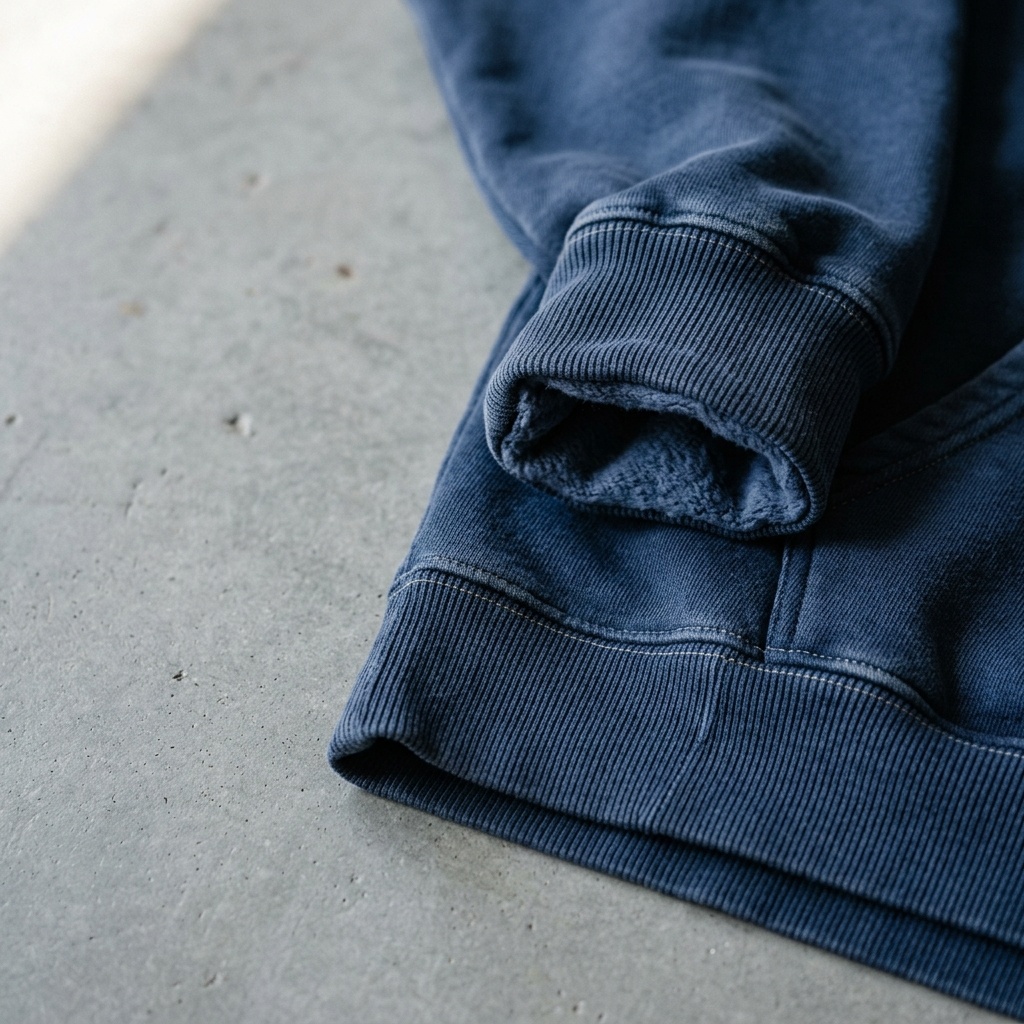
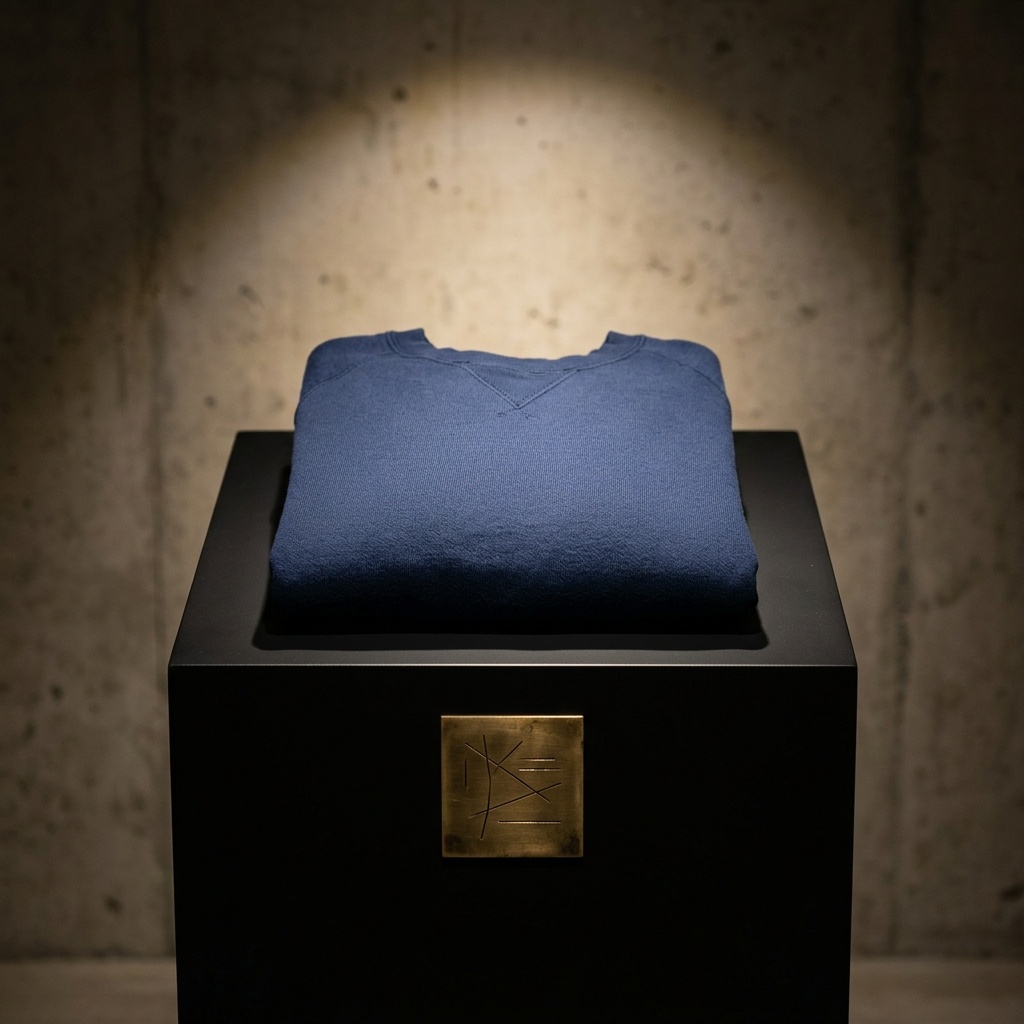
Every piece feels like it has a place in a cultural archive, not a seasonal catalog. Premium construction. Named fabric. The story of the drop printed on the inside of the garment, not buried on a marketing landing page. The product is the marketing.
None of these three on their own are new. The brands that have been compounding for ten years are the ones running all three together, every drop, without compromising any of them the moment growth pressure arrives.
The Data Behind It
The case is no longer anecdotal. Three data points from the last twelve months close it.
- DTC CAC is up 25 to 40 percent year over year across most US apparel verticals. Traditional collection launches are getting more expensive to acquire customers for, every quarter, in a way that does not have a cheap fix.
- Drop-based cadences show better full-price sell-through and lower returns. Customers who buy a limited drop do not return it for a refund the way they return a seasonal piece bought on a coupon.
- Resale value on drop products is the cleanest signal of cultural confidence. A piece that trades above retail on resale is a piece whose next drop sells out faster than the last.
Read together, these are not three trends. They are the same trend. The economics of the seasonal collection launch are eroding. The economics of the culturally-anchored drop are improving. The gap widens every quarter.
What US Founders Should Steal
Four moves. Treat them as an operating standard, not a marketing tone.
- 01.
Stop launching "spring collection."
Launch one piece tied to one moment. The collection launch is the lowest-converting unit of fashion marketing in 2026. The drop is the highest. Pick one piece, write the story behind it, set a date, ship it. Iterate from there.
- 02.
Anchor every drop to a specific cultural reference your audience can verify.
Not vague. Not generic. A specific year, venue, song, color, athlete, neighborhood. The audience that can verify the reference is the audience that becomes a buyer. The reference does the work no paid campaign can do at the same cost.
- 03.
Build product that holds up as an artifact.
Premium construction. Named fabric. Hand-finishing where it shows. The drop story printed on the inside of the garment tag. A drop product that feels like a catalog piece will not get the resale lift that makes the next drop sell out faster. The artifact is the marketing asset.
- 04.
Skip discounts on drop products. Ever.
Let them sell out at full price. The minute a drop product is discounted, the cultural confidence in the next drop drops with it. Customers learn fast. If your drops are going to be discounted in eight weeks, they will wait eight weeks. The discount is the death of the model.
Why the Drop Model Is a Manufacturing Decision
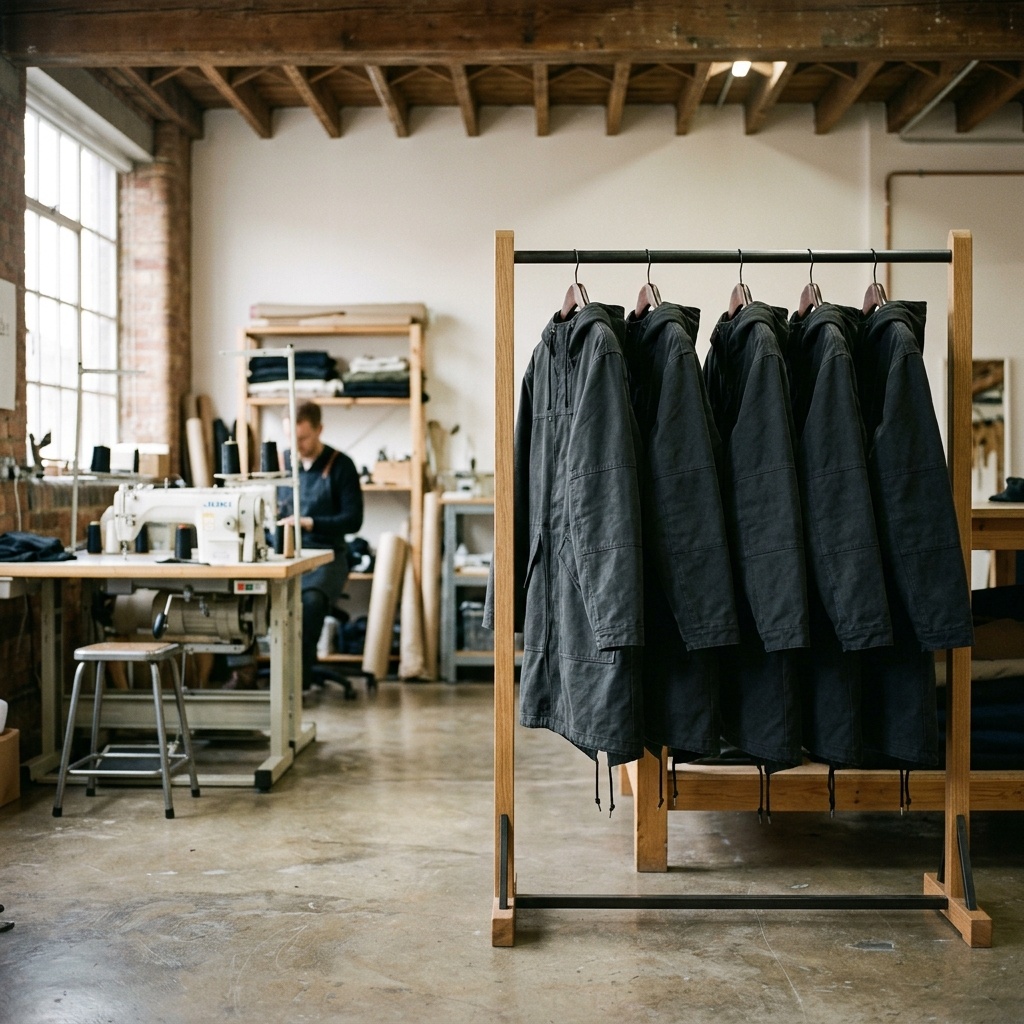
The reason most US brands cannot run a drop model — even when they understand it — is the manufacturing relationship.
The traditional 5,000-unit collection-launch factory is not designed for drops. Minimums are wrong. Fabric is sourced as a one-time buy, not from a partner who can hold a small reorder six months later. QC is built around scale, not artifact-level finishing on a two-hundred-piece run. A brand running drops needs a partner who can do 200 to 500 unit runs at full construction quality. Fabric sourced from named mills that can serve the next drop. QC that treats every piece in a 300-unit run the way a luxury house treats a 30-piece runway capsule. Sample-to-bulk drift treated as a defect, not a tolerance.
This is also where the model meets the broader 2026 shift away from aesthetic-anchored brands. The drop model is the operational expression of a perspective-anchored brand. It is also the natural pairing with the Made-in-India craft positioning some founders are now building on. Different positioning lever, same operational requirement: a partner built for small-batch, repeatable, high-finish runs.
What to Avoid
The downside of a cultural moment opening up is that brands without the product depth try to ride it.
Performative DONDA-core — the aesthetic without the artifact — reads as costume. A throwback graphic on a low-GSM hoodie that ships from the same factory as every other DTC brand will sell the first drop on hype and the second drop never. The audience that knows the reference is the audience that can spot the gap between the reference and the product, inside the first purchase.
The brands that earn the next five years of US streetwear are the brands whose product survives the scrutiny of the customer who knows. The brands that engineer a one-quarter spike on the aesthetic and then run out of cultural credit do not get a second window.
A Model, Not a Moment
DONDA-core in 2026 is a model, not a moment. The US brands that copy the merch lose. The US brands that internalize the playbook — cultural anchor, limited drop, product as artifact — own the next five years of US streetwear.
The era is incidental. The mechanics are not. The brands that built the original wave were operating these mechanics ten years ago, in real time, in front of an audience that did not need them explained. The 2026 advantage is that the playbook is now visible. The work is to run it. See how drop-based product runs on a real production line.
Build for the Drop Model
US streetwear founders building drop-based models — 200 units or 5,000, every drop ships to the same construction standard. Partner with Krazy Kreators.
No comments yet
Be the first to share your thoughts!