The Quiet Luxury Aesthetic Is Dead.
What's Next for US Brands?
Aesthetics die. Perspectives don't. Build like one.
Hosted on May 22, 2026
Krazy Kreators Team
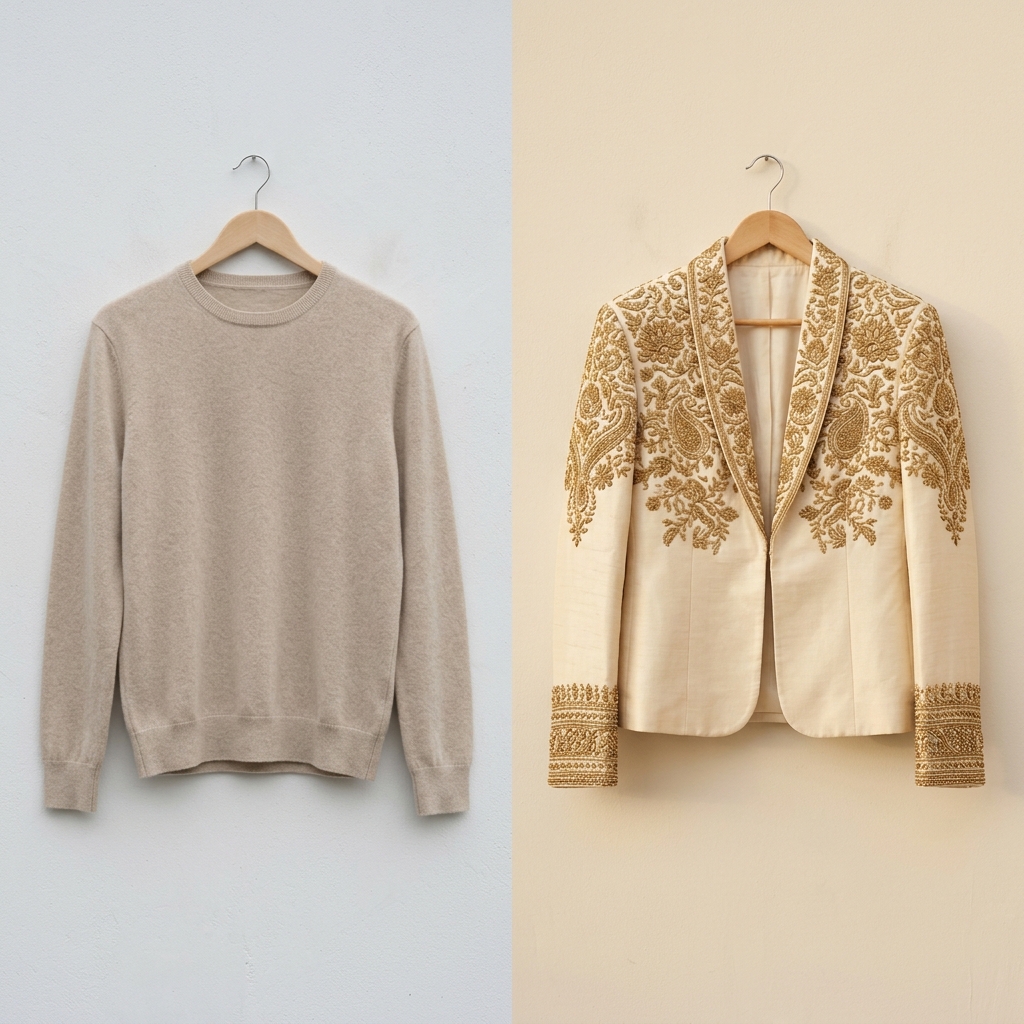
The aesthetics that defined US fashion for the last twenty-four months — quiet luxury, clean girl, old money — are not on their way out. They are already out. They are in every Target collection, every Shein dupe, every algorithm-served Instagram grid. The category has collapsed into sameness, and the brands that built their entire identity around it now look indistinguishable from the mass-market interpretations.
This is not a hot take. It is a calendar entry. Aesthetic cycles compress every year, and the one that just compressed was the one most US contemporary brands were anchored on.
The honest question is not whether quiet luxury is dead. It is whether your brand was built on an aesthetic or on a perspective. Because the brands built on an aesthetic die when the aesthetic dies. The brands built on a perspective evolve through three of them and never lose the customer.
How We Know It Is Over
The death of quiet luxury was not sudden. It was a fade, and three signals are now all pointing the same way.
Peak in 2024
Search trend
Aesthetic search terms like "clean girl" and "quiet luxury" peaked in 2024 and have been steadily declining since. The Google Trends curve looks like every prior aesthetic cycle — normcore, athleisure, balletcore — at the same point in the fade.
Met Gala 2026
Cultural counter-signal
This year's Costume Art theme was explicitly the opposite of quiet luxury. Maximal craft, statement-making, hours-of-work as the marketing. The biggest cultural moment in fashion in 2026 was a public vote against minimalism.
+30% YoY
Techwear searches
25%+ of US shoppers still search by aesthetic, but where they are searching has shifted. Techwear, gorpcore-adjacent, and craft-coded terms are up 30% year over year. The audience did not stop shopping by vibe. They changed the vibe.
None of these alone would close the case. Together they describe one motion. A category that peaked, saturated, commodified, and is now being actively replaced by the audience itself.
What Dies. What Doesn't.
Pull the lens back. Aesthetics have always died. Crafts never have.
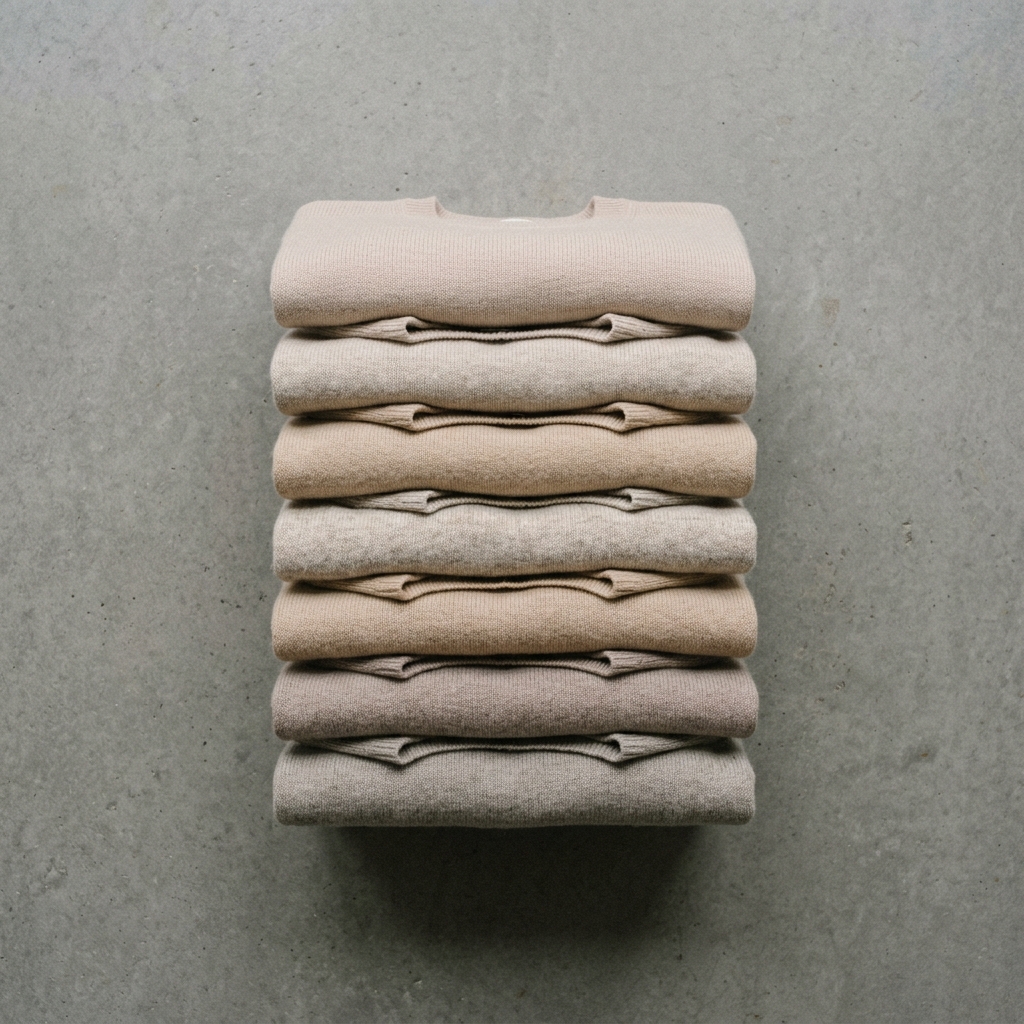
Normcore peaked in 2014 and dissolved by 2016. Athleisure peaked in 2018 and was a Target category by 2020. Balletcore peaked in 2023 and is currently a Shein search filter. Quiet luxury is now joining that list, on roughly the same compression curve. None of these aesthetics actually disappeared from clothing. They disappeared as a positioning lever. The minute Target can interpret an aesthetic, the brand that built its identity on it is competing with Target.
Craft does not run that curve. Hand embroidery has been a positioning asset for two hundred years. Hand-finishing, named fabric provenance, complex construction — none of these have ever been commoditized by a fast-fashion retailer because the cost structure does not allow for it. A brand whose product is genuinely hand-finished in a named region cannot be replicated by Target. It can be undercut on price. It cannot be replicated on signal. That is the difference between an aesthetic and a craft, and that is what makes the difference durable. The 2026 Met Gala made this explicit in front of every fashion customer at once.
What Is Actually Next
Three durable signals are replacing the aesthetic-anchored model. Each is already in motion in the data.
Craft-coded fashion
The Met Gala 2026 vocabulary — hours, hand-built, one piece at a time — has now landed in the language the customer uses to describe desirable product. The Made-in-India wave is the same signal at the sourcing layer. Craft is the most durable replacement for aesthetic because it cannot be commoditized at scale. The cultural reframe is underway in real time.
Techwear and tech-integrated apparel
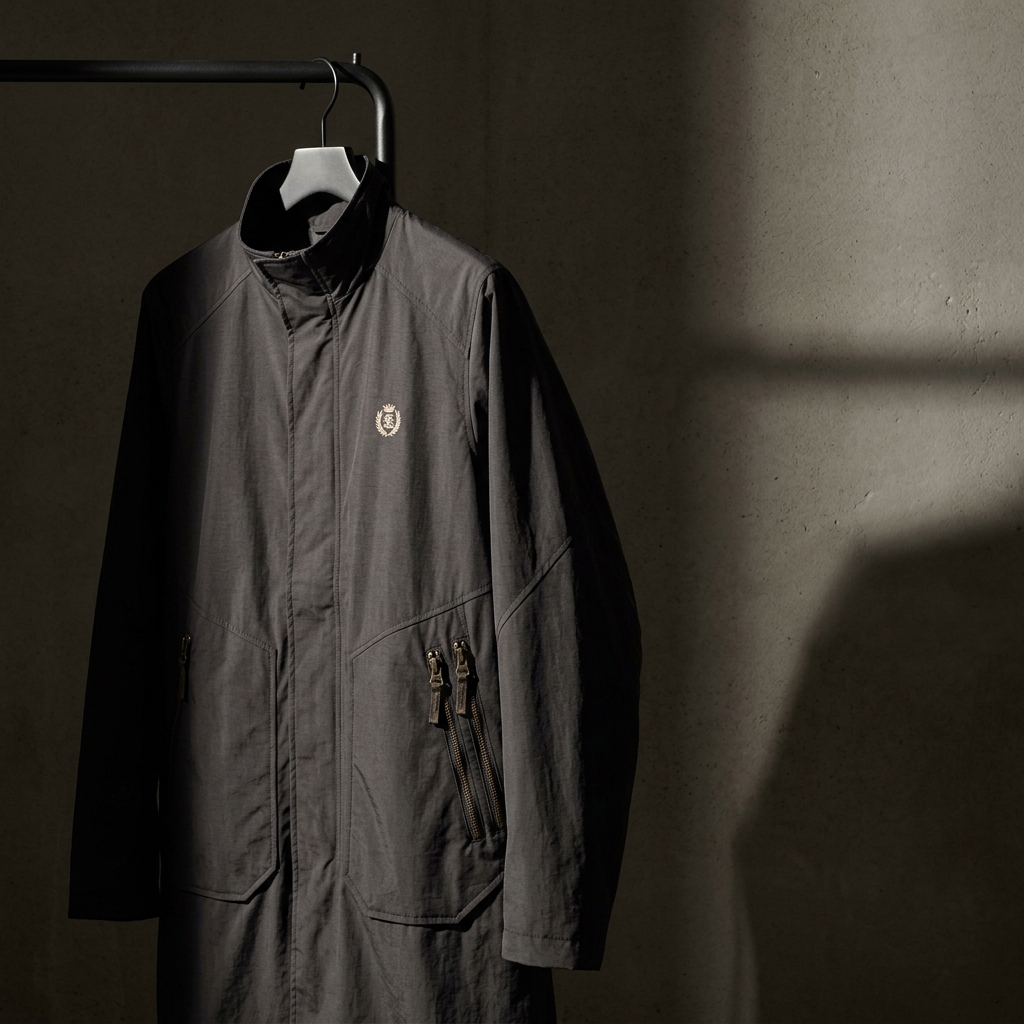
Techwear search is up 30 percent year over year. Functional fabrics, exposed zipper systems, water-resistant coatings, modular pocket geometry — the things that were niche in 2022 are now sitting in the contemporary band. The category rewards brands that can credibly engineer a garment, not just style one.
DONDA-core / limited-drop streetwear
The TLOP ten-year anniversary in February pulled an entire generation back into the limited-drop, culturally-anchored streetwear playbook. Small batches, named collaborators, drops that close in hours. This is not a return to 2016. It is a return to a model — scarcity plus cultural anchor — that consistently outperforms aesthetic cycles.
These three are not mutually exclusive. The strongest US brands of the next twenty-four months will pick one as the anchor and let the others show up at the edges of the line.
Aesthetic or Perspective
The audit is one question, answered honestly.
- 01.
Write your brand in one sentence without using an aesthetic word.
No "minimalist." No "quiet." No "clean." No "old money." If you cannot describe the brand without leaning on the aesthetic vocabulary, the brand is the aesthetic. That brand is in trouble. The brand whose sentence holds without those words has a perspective and is fine.
- 02.
Ask whether your customer can describe what the brand stands for.
Not how it looks — what it stands for. If the answer is some version of "clean, minimal, neutral," the customer is describing the aesthetic. If the answer is a point of view on how the customer wants to live, dress, or move through a day, the customer is describing a perspective. The first will erode with the cycle. The second compounds across cycles.
- 03.
Check whether your next collection could change aesthetic without breaking the brand.
If you launched a craft-heavy or techwear-leaning capsule tomorrow, would your customer still recognize the brand? Perspective-anchored brands can move through aesthetics; aesthetic-anchored brands cannot. The whiplash test is the cheapest diagnostic you have.
Why This Is a Manufacturing Decision
Both replacements for quiet luxury — craft-coded and tech-integrated — sit on the same operational requirement.
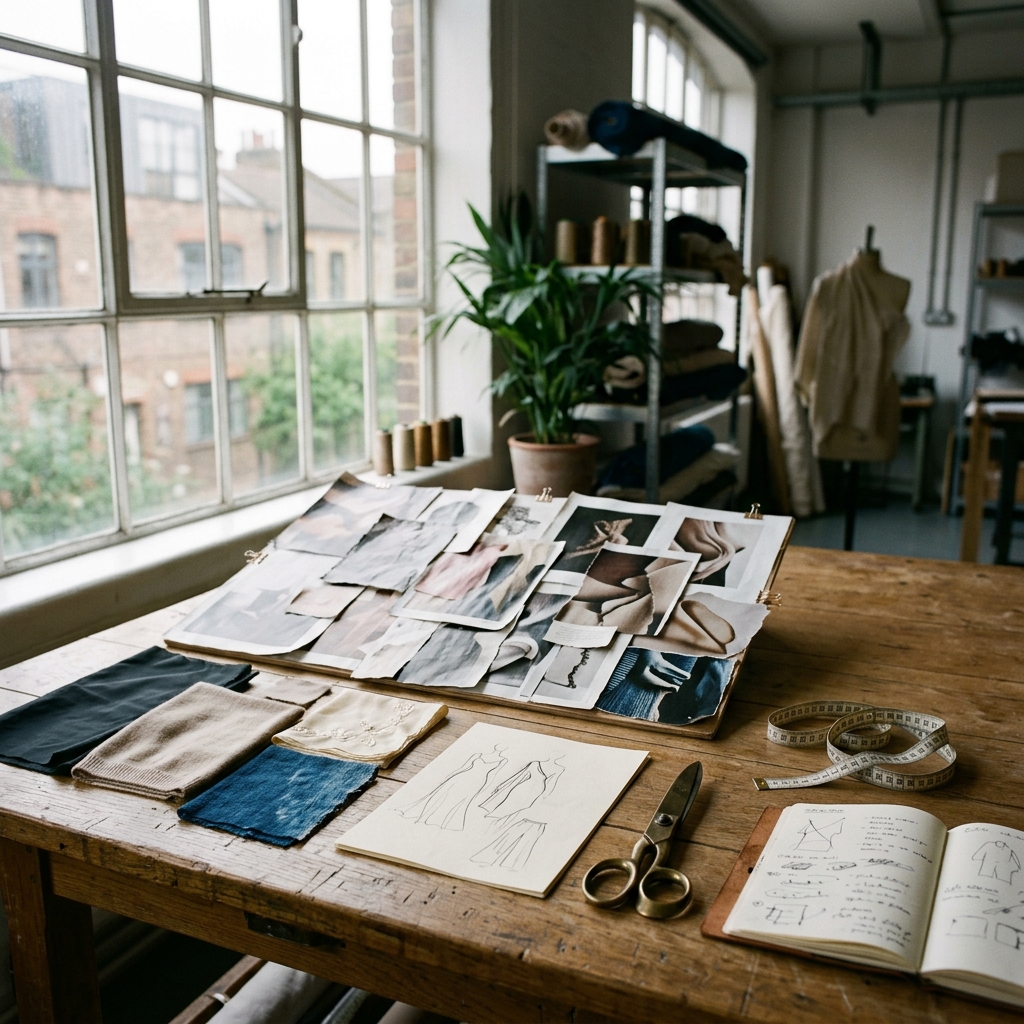
A craft-heavy capsule needs hand embroidery, hand-finished construction, and named-mill fabric. A techwear capsule needs functional fabric sourcing, seam-sealing capability, and reinforced pocket construction. A drop-anchored streetwear capsule needs the ability to run small batches with controlled fabric and trims. None of these are commodity-factory deliverables.
A brand moving from an aesthetic anchor to a perspective anchor needs a manufacturing partner who can iterate fabric and construction at the speed of the brand's thinking. Sample turns measured in weeks. Small-batch runs that do not penalize the brand for moving with the customer. The partner is not the one optimizing for the lowest unit cost on a single SKU. The partner is the one optimizing for the brand's ability to keep up with itself.
Quiet Luxury Was a Moment
The brands that anchored on it are now competing with Old Navy. The brands that used quiet luxury as an aesthetic but anchored on a perspective are entering the back half of 2026 with optionality.
None of this means the brands currently sitting in the quiet luxury category are finished. It means the work for the next twelve months is to surface the perspective that the aesthetic was masking and re-cut the product around it. Craft, tech, drop — the lane is a choice. The lane is also urgent. See how perspective-led brands move from aesthetic to anchor on a real product line.
Rebuild Around a Perspective
US founders rebuilding around a perspective, not an aesthetic — design-to-production agility for the next era. Partner with Krazy Kreators.
No comments yet
Be the first to share your thoughts!