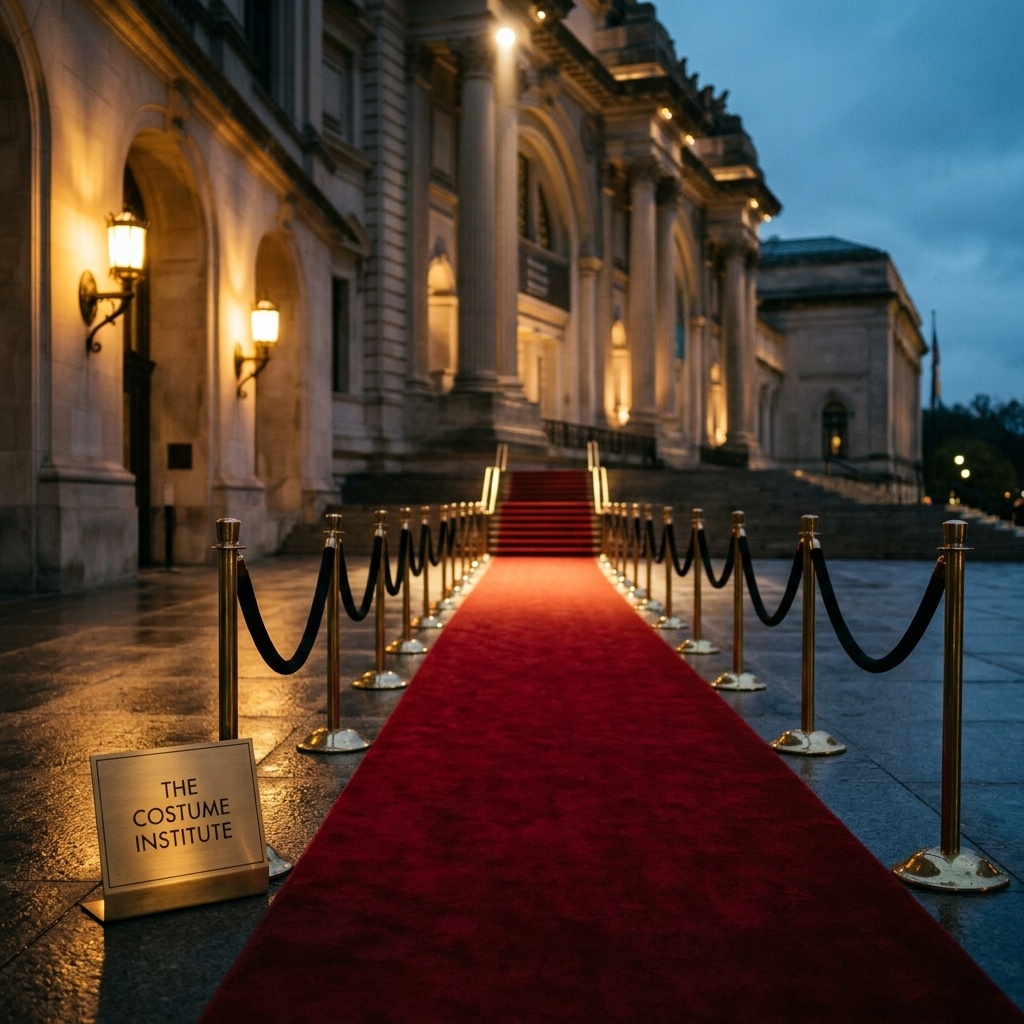
What the 2026 Met Gala
Taught US Fashion Founders About Craft
Why craft is becoming the only defensible moat in US fashion
Hosted on May 14, 2026
Krazy Kreators Team
On May 4, this year's Met Gala raised a record $42 million under a theme that anyone running a US clothing brand should be paying attention to. Costume Art. Anna Wintour, Venus Williams, Nicole Kidman, and Beyoncé took co-chair seats. Jeff and Lauren Sánchez Bezos came on as lead sponsors. The headline numbers were a record. The signal underneath them was bigger.
Fashion's biggest stage spent the night celebrating one idea. Clothing as craft. Clothing as art. Not clothing as product, not clothing as content, not clothing as merchandise. That distinction is worth your attention, because the audience watching that carpet is the audience your customer follows next.
For founders trying to build a US clothing brand in 2026, this was not a museum moment. It was a market signal. Here is what it actually means for product strategy over the next twelve months.
The Craft Hours That Defined the Night
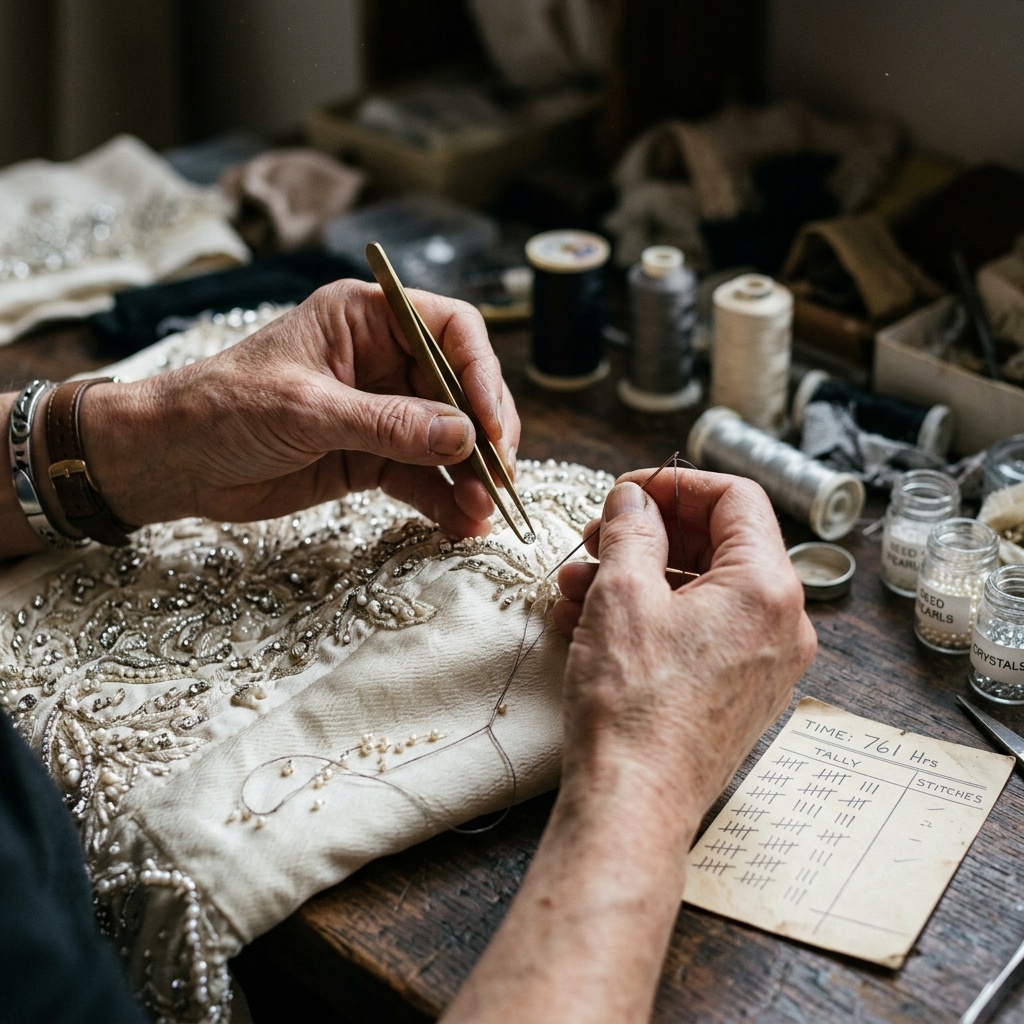
Pay attention to the numbers that got repeated in every recap.
761 hours.
That is the Chanel atelier's reported figure for Margot Robbie's gown. Not budget. Not square meters of fabric. Hours. The Chanel team led with the time, and the press repeated it as the headline, because the time is the value. The number was the marketing.
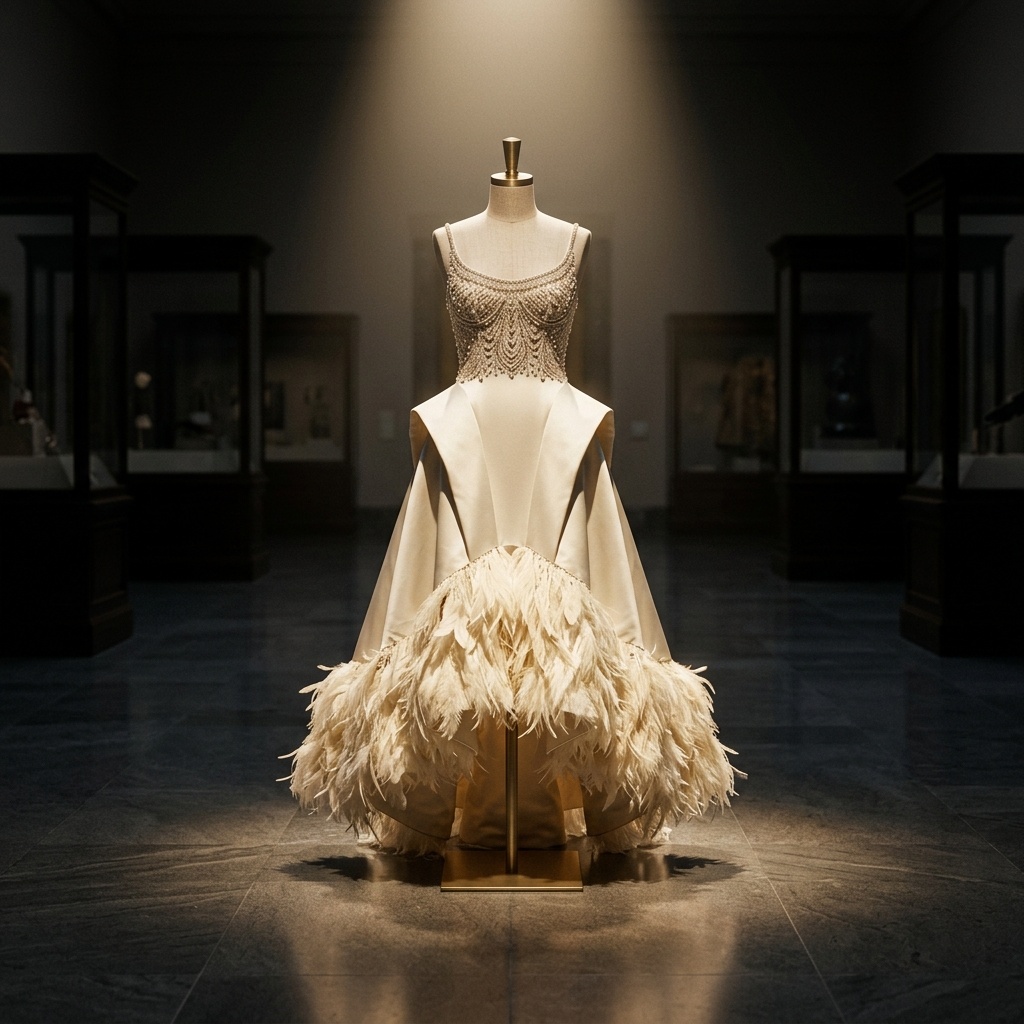
Beyoncé's skeletal-bone gown, designed by Olivier Rousteing, was hand-built one piece at a time. Sabrina Carpenter arrived in a dress constructed from layered film strips. Bad Bunny wore a deliberately aged look pitched as "53 years old." Cher closed out the night in hand-laid Burberry lace. The blindfold motif Sarah Paulson and Rachel Zegler ran with was framed as a meditation on craft and the act of seeing.
None of these gowns are commercially relevant. The vocabulary around them is. Hours. Hand-built. One piece at a time. That is the language fashion just trained the public to associate with desirable clothing.
What This Does to Consumer Expectations
For roughly a decade, mainstream fashion conversation lived in the language of trend, drop, virality, and content. Costume Art was the first major industry moment in years that put the spotlight back on how a garment is actually built.
That shift travels downstream faster than most founders assume. When the highest-status fashion event of the year publicly anchors value to craft, the customer at the bottom of the funnel starts to look for the same vocabulary in the brands they spend with. Not the gown. The story behind it. The thing they can describe to a friend.
A founder selling into the US market in late 2026 is selling into a customer who has just spent two weeks watching fashion be discussed as art, with hours and hands attached. The benchmark for what counts as a desirable product just moved. Quietly, and across the entire category.
The Market Translation for US Founders
Three data points from the last twelve months tell the same story when you line them up.
25%+
of US shoppers
are now searching aesthetic-coded terms like "clean girl" and "quiet luxury" instead of category terms. They are not asking for a t-shirt. They are asking for a t-shirt with a describable story. That is a craft signal, not a SKU signal.
60%+
of US consumers
say they will pay more for product they perceive as eco-friendly. Strip the headline and the through-line is the same. Customers will pay more when there is a story they can repeat. Sustainability is the most visible version. Craft is the more durable one.
25–40%
CAC inflation
DTC customer acquisition costs are up that much over twelve months across most US apparel verticals. Paid content alone no longer builds a brand. The product itself has to carry meaning, or every dollar of acquisition is leasing attention you do not own.
Read together, these are not three trends. They are one trend. Customers are paying for clothing they can describe. The brands that win this decade are the ones whose product can be described in the first sentence, not after a paid creative campaign explains it for them.
What "Craft" Actually Means in 2026
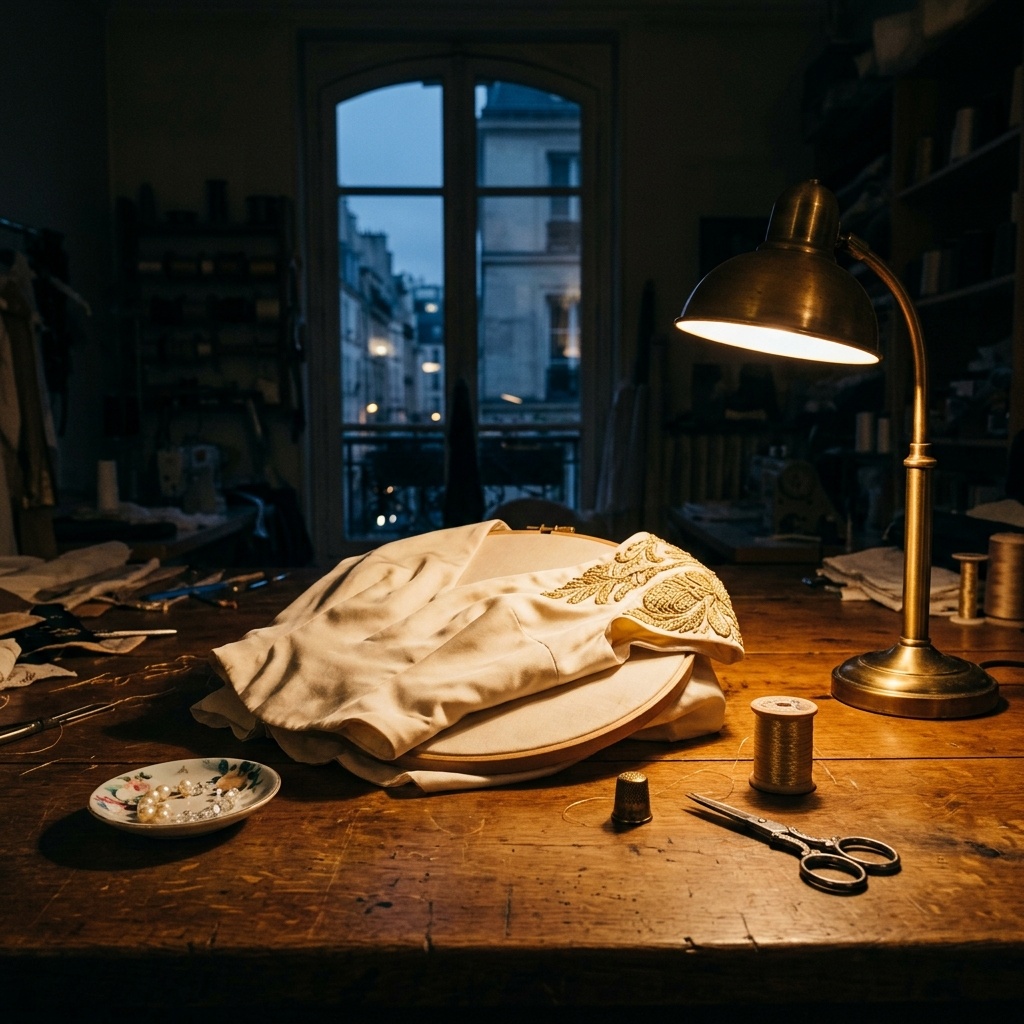
Strip the aesthetic out of the word and craft, in product terms, is four things.
Hand-finishing
Visible human work on the garment. Hand-rolled hems. Hand-bound buttonholes. Hand-tacked linings. Small, photographable, and instantly legible to a customer who has been trained by the Met red carpet to notice them.
Embroidery and surface detail
Threadwork, beading, appliqué. These are the techniques that read as craft in a single product image. Customers do not need a video to understand the value.
Complex construction
Internal structure, multi-panel patterning, French seams, real boning, real shaping. The garment holds its form for a reason a customer can feel even if they cannot name it.
Premium fabric sourcing
Specific mills, specific yarn counts, specific finishes. The fabric is named on the product page the way a wine is named on a menu, because that level of specificity is now what credibility looks like.
All four of these used to read as "Italy only." That is no longer the constraint. A small US brand willing to work with the right manufacturing partner — the kind of partner small US founders increasingly find after moving their sourcing out of China — can put real embroidery, real construction, and named-mill fabric on its product page within a single development cycle.
Three Moves to Make Inside the Next Ninety Days
Treat craft as a product decision, not a marketing decision.
- 01.
Audit one product the way a customer would.
Pick your best-selling SKU. Can a real customer describe how it is made, in their own words, after reading your product page? If the answer is no, you do not have a craft problem. You have a story problem. And the story will not stick unless the product backs it up.
- 02.
Move at least one SKU to a hand-finished or constructed-detail variant.
Not the whole line. One product. Hand-embroidery, a structured panel, a premium named fabric. Test it as a premium tier alongside the existing version. Pair the rollout with an on-demand production approach so you are not gambling on inventory while you learn the price elasticity of the craft tier.
- 03.
Tell the story in the first paragraph of the product page.
Not under "Details." Not behind a "See more" tab. The hours, the technique, the fabric, the hand-work — in the opening copy where a customer actually reads. Hours. Hand-built. One piece at a time. That is the vocabulary that just got endorsed at the highest stage in fashion. Borrow it.
The Bottom Line
Fashion has shown the audience what craft looks like. The audience now expects it.
The founders who treat that as a marketing problem will lose to the ones who treat it as a product problem. Paid creative is more expensive than ever, attention is shorter than ever, and the customer is now better trained than ever to recognize when a garment is built versus assembled. The brands that can answer "how was this made" in a single sentence, without flinching, will not need to outspend anyone. The brands that cannot will keep paying a CAC premium for product the customer cannot describe. See how craft-led production reads on a real product line.
Build Product Customers Can Describe
US founders ready to put craft on the product page — design, sampling, fabric sourcing, and craft-led production, end to end. Partner with Krazy Kreators.
No comments yet
Be the first to share your thoughts!