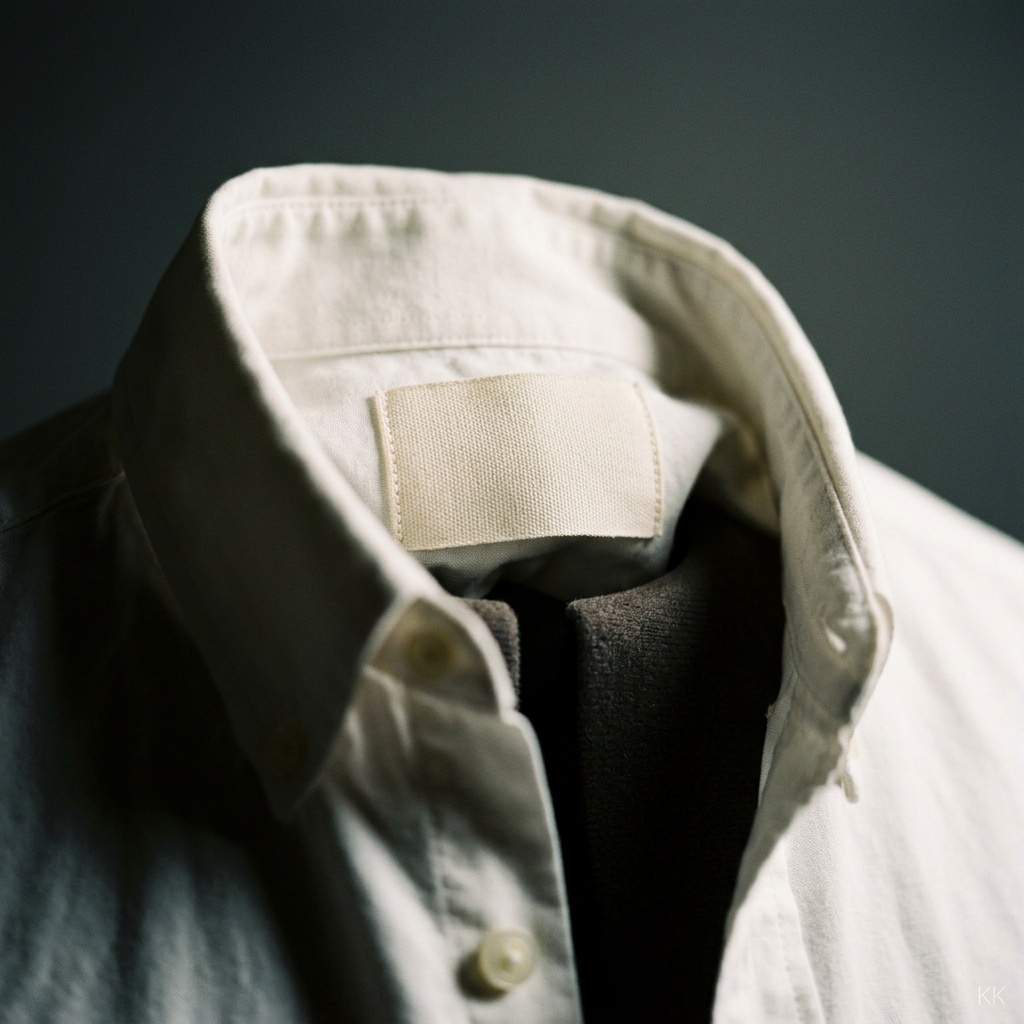
The label sewn into your collar is a legal document. Since this spring, the Federal Trade Commission has been treating it like one.
A March executive order told the agency to prioritize American-origin claims. An enforcement sweep followed in April. Then, on July 6, the FTC sent a fresh round of warning letters to companies over questionable “Made in the USA” claims.
None of July's letters went to a clothing brand — they hit drum makers, machine shops, and an e-cig seller. But the standard is identical for apparel, and the trap most founders fall into isn't lying. It's not knowing that “Made in USA” has a bright-line rule they probably fail — while “made well” is a claim they can always defend. Here's the law, the enforcement, and the sourcing story that survives both.
Two rules founders keep blurring
There are two separate regimes wearing the same three words, and conflating them is where brands get caught. The first governs the tag (the care label the law makes you sew in). The second governs the claim (anything you say in marketing — the homepage, an ad, the hangtag).
The tag runs on a looser test. Under the Textile Fiber Products Identification Act, a garment made in the US from US-made fabric is labeled “Made in USA” — and the rule is one step removed: it looks at where the fabric was made and where the garment was assembled, not all the way back to the raw fiber.
The claim runs on a tougher one. The moment you say “Made in USA” in advertising, the FTC's “all or virtually all” standard applies — the product has to be all or virtually all made in the US, back through its materials.
Same three words on the tag and in the ad — two different laws. The looser one lets you feel safe; the stricter one is the one that bites.
Imported fabric: the line you can't cross

Here is the one fact to internalize: if your fabric is imported, you cannot make an unqualified “Made in USA” claim. That catches most US cut-and-sew brands, because the domestic milling base is thin and a great deal of premium fabric is woven or knit abroad.
What you can say is a qualified claim (an origin claim with the foreign part disclosed) — and these are fully legal, often sharper because they're specific: “Made in USA of imported fabric,” “Assembled in USA,” or “Made in USA with US and imported materials.” The qualifier has to sit next to the claim, clear and prominent — not buried in a footer.
![A branded decision tree titled 'Which Made in USA claim can you make?' — branching on whether the fabric is US-made and whether the garment is cut and sewn in the US, resolving to: 'Made in USA', 'Made in USA of imported fabric' / 'Assembled in USA', or 'Made in [country]'.](/blog/made-in-usa-teaching.jpg)
Read the decision tree top to bottom before you write a word of marketing copy. The tag your factory sews in and the claim your website makes have to agree — a tag that legally reads “Made in USA of imported fabric” paired with a homepage that just shouts “Made in USA” is exactly the mismatch the FTC reads as deceptive.
Signs your claim must be qualified
- • Your fabric is woven or knit outside the US.
- • A component that defines the product — a performance membrane, main trim — is imported.
- • The US step is assembly only; the inputs arrive from abroad.
The FTC just turned up the heat
This is not a dormant rule. Executive Order 14392, signed March 13, 2026, directed the FTC to prioritize enforcement against unsubstantiated American-origin claims and to weigh new online-marketplace verification rules — a shift trade lawyers read as a clear signal of heightened enforcement.
It moved fast. In April the agency announced a “Made in USA” sweep with three enforcement actions; the July 6 warning letters followed. The exposure is real: civil penalties run up to $53,088 per violation.
Apparel has already paid. The clearest cautionary tale is Lions Not Sheep, whose owner removed “Made in China” tags from imported clothing and sewed in “Made in USA” labels — settled for $211,335.
To be fair, the FTC rarely charges the maximum; penalties turn on culpability, history, and ability to pay, and an honest brand with imported fabric isn't the target. But a warning letter alone is a brand event — a headline, a scramble, a hit to the exact trust you were trying to buy.
‘Made well’ is the safer claim
Step back and the honest question isn't “can I say Made in USA.” It's “what am I actually selling.” If the answer is quality, then construction, fabric hand, and finishing carry the argument — and none of them has a regulator attached.
The country-of-origin premium is softer than the flag-waving suggests, anyway. Surveys have long shown a slice of shoppers say they'll pay more for domestic goods, but that stated preference routinely thins at the register — Americans favor bargains over “Made in the USA” when it costs real money. A map pin is a weak reason to pay 30% more. A garment that visibly outlasts the last one is a strong one.
“Made in USA” is a claim a regulator can test. “Made well” is one a customer can feel.
That's the same lesson the craft-led brands keep proving — that craft, not the label, is the durable moat, and that where and how a thing is made only sells when the making is real.
Free download
The Made in USA Claim Checklist
One page: map your fabric origin and assembly location to the exact claim you can legally make — unqualified, qualified, or none — before it goes near your homepage. PDF.
A sourcing story you can defend
A defensible story beats a flattering one, because you only have to tell it once and then never flinch when someone checks. Four moves get you there.
Say exactly what's true, exactly where. “Designed in Los Angeles, cut and sewn in North Carolina, of Japanese selvedge” is more persuasive than “American made” — and it happens to be airtight. Put the qualifier where the claim is. If it's “Made in USA of imported fabric,” those five words travel together, on the product page and the hangtag.
Lead with the receipts a customer can feel. Fabric weight, stitch density, the finishing — the “made well” evidence — over the map pin. Keep the paper trail. Know where every component originates and hold the documentation, so the claim is substantiated before anyone asks — the same discipline the new country-of-origin tariff rules already demand.
The defensible-claim test
- • Every origin word on your site is something you could hand a regulator a document for.
- • The tag and the marketing say the same thing.
- • Take the flag away and the product still sells on how it's made.
What we'd do in your shoes
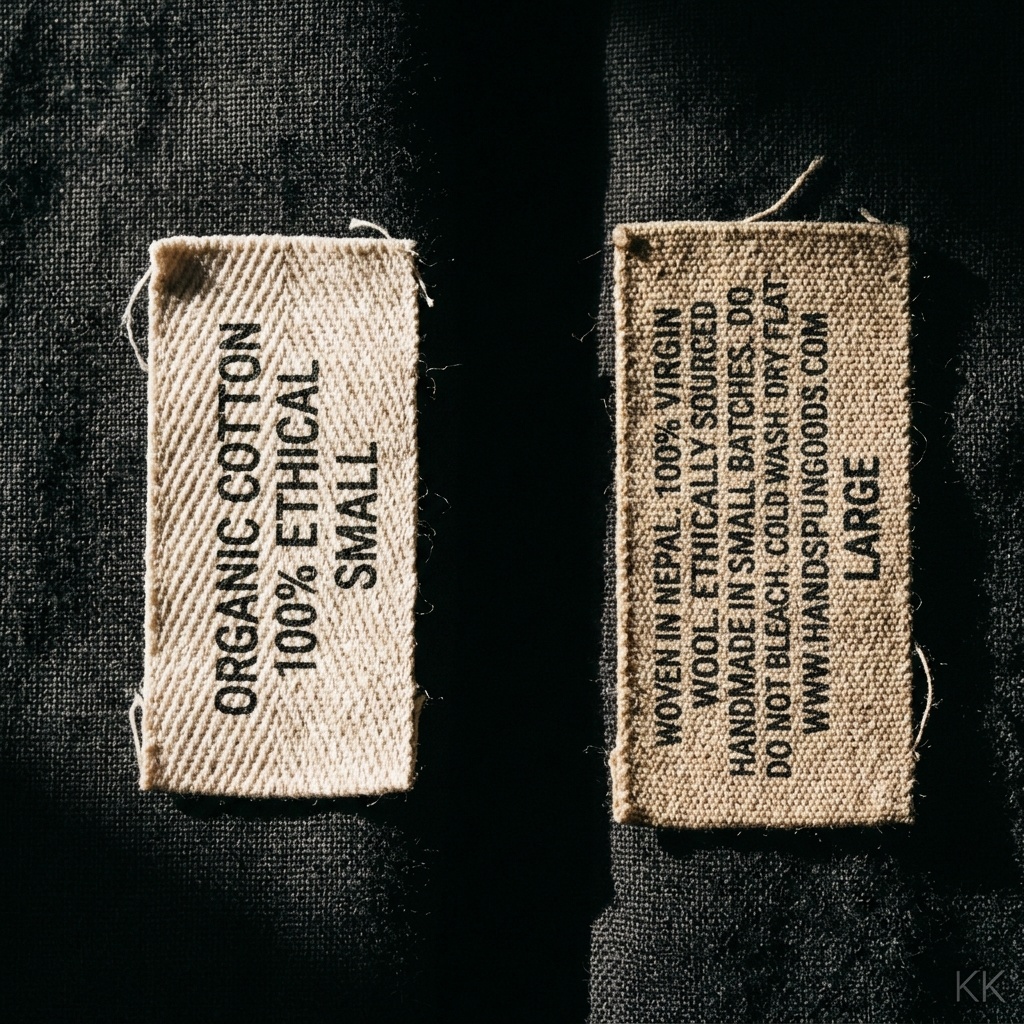
We'd stop trying to earn the flag and start earning the second look. Pick the honest, specific claim your supply chain can carry, put any qualifier in plain sight, and spend the marketing on the fabric and the finish — the part the customer actually keeps. If an FTC lawyer read your homepage tomorrow, would every origin word on it be something you could prove?
Read next
9 min read
The 'Made in India' Trend Reshaping American Luxury
When heritage and craft become the brand's whole argument.
7 min read
The 10% Tariff Floor Expires July 24 — Then What?
Country choice is now a compliance decision, not just a cost one.
9 min read
What the 2026 Met Gala Taught US Founders About Craft
Craft as a moat — the claim no regulator and no dupe can touch.
Comments
No comments yet
Be the first to share your thoughts!