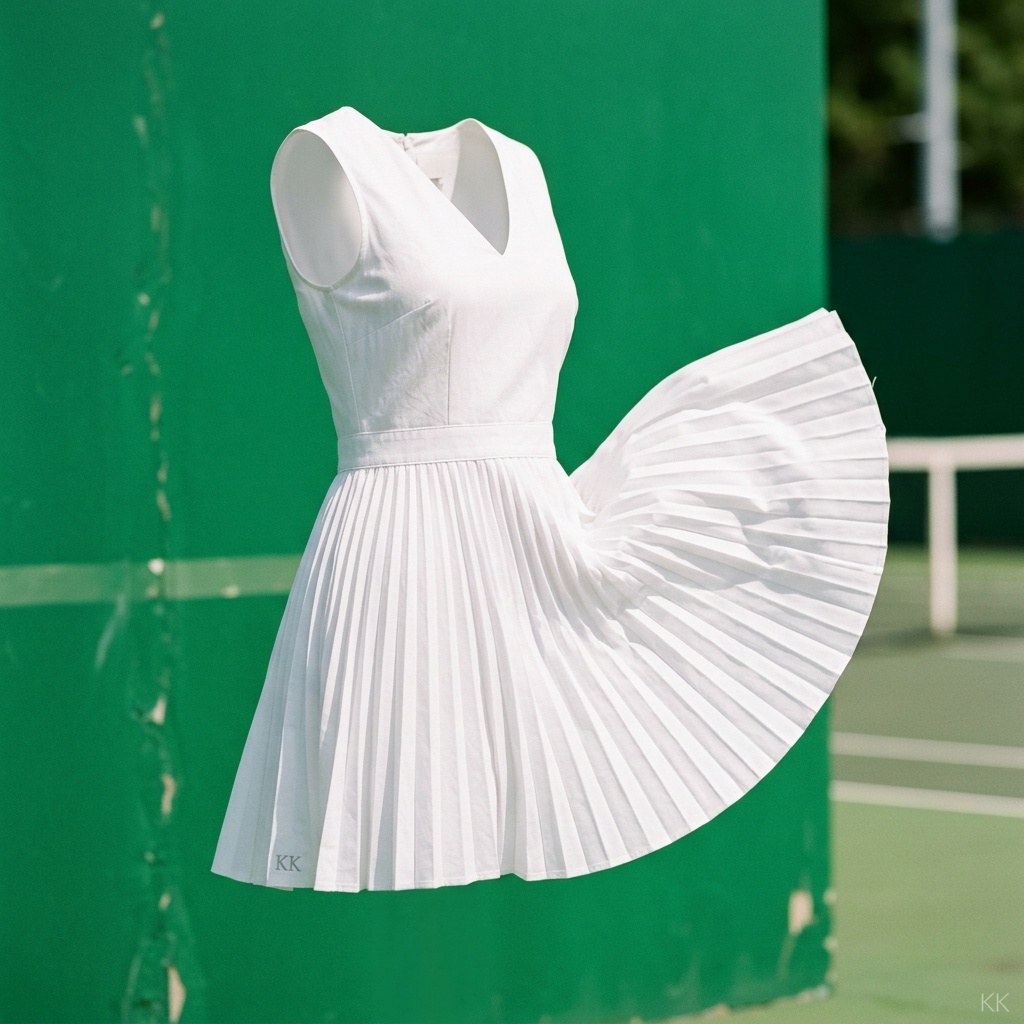
Wimbledon closes its 2026 fortnight this weekend, and the whites are everywhere again — on the court, in the stands, and all over your feed.
Pleated skirts, collared polos, cable-knit over the shoulders, a palette of optic white, cream, kelly green and navy. The tournament runs June 29 to July 12, and for two weeks tenniscore owns the aesthetic conversation.
The easy read is that this is a seasonal costume that leaves when the trophies do. It isn't — and mistaking a durable wave for a fad is how a brand either misses it or botches it. Here's why it stuck, and what it actually takes to make.
The trend that outlived the movie
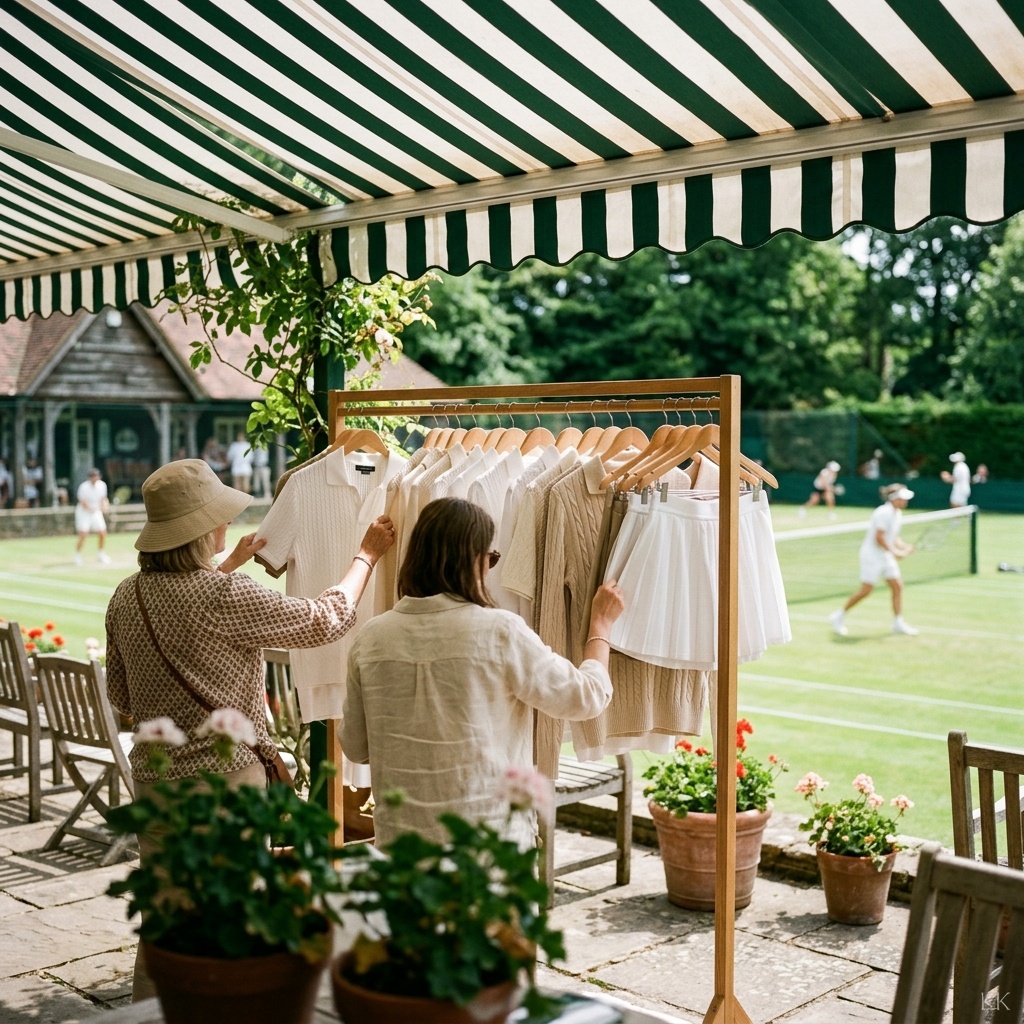
Tenniscore (a preppy-athletic look blending country-club heritage with modern sportswear) got its spark from a movie. When Luca Guadagnino's Challengers landed in 2024, searches for “adult tennis lessons” jumped 245% worldwide that summer. Fashion called it the “Challengers effect.”
Most movie-driven trends fade by the next press cycle. This one didn't. Two years on, it's at Wimbledon 2026 stronger than ever, and it has spread from luxury houses to sportswear labels — Ralph Lauren, Lacoste, Miu Miu, Tory Sport, Sporty & Rich all fishing the same water.
A trend that survives its own origin story is telling you something: the demand didn't come from the film. The film just named it.
“A trend that survives its own origin story isn't a fad. It's a demand curve that finally found a name.”
It's not tennis — it's the whole racket economy
The engine under tenniscore isn't centre court. It's the racket-sport boom in every US suburb. Pickleball alone reached 24.3 million American players in 2025 — up 479% in five years, the fastest-growing sport in the country — with padel adding roughly another million.
And the players skew young. The average pickleball player's age has dropped from 41 in 2020 to 34.8 in 2026, and 18–34 is now the fastest-growing bracket. That's the same customer buying the look — people who actually hold a racket on weekends and want to dress the part on Monday.
The apparel follows the courts. The global tennis-wear market sits around $2.36 billion in 2026 and is compounding steadily — not a spike, a slope. Court-to-street is a lifestyle now, not a costume for two weeks in July.
Quiet luxury is a construction problem
Here's the trap. Tenniscore lives inside quiet luxury (the look where quality and cut carry the value, not a visible logo). Strip the logo out and the garment has nowhere to hide — the fabric, the collar, and the finishing are the brand.
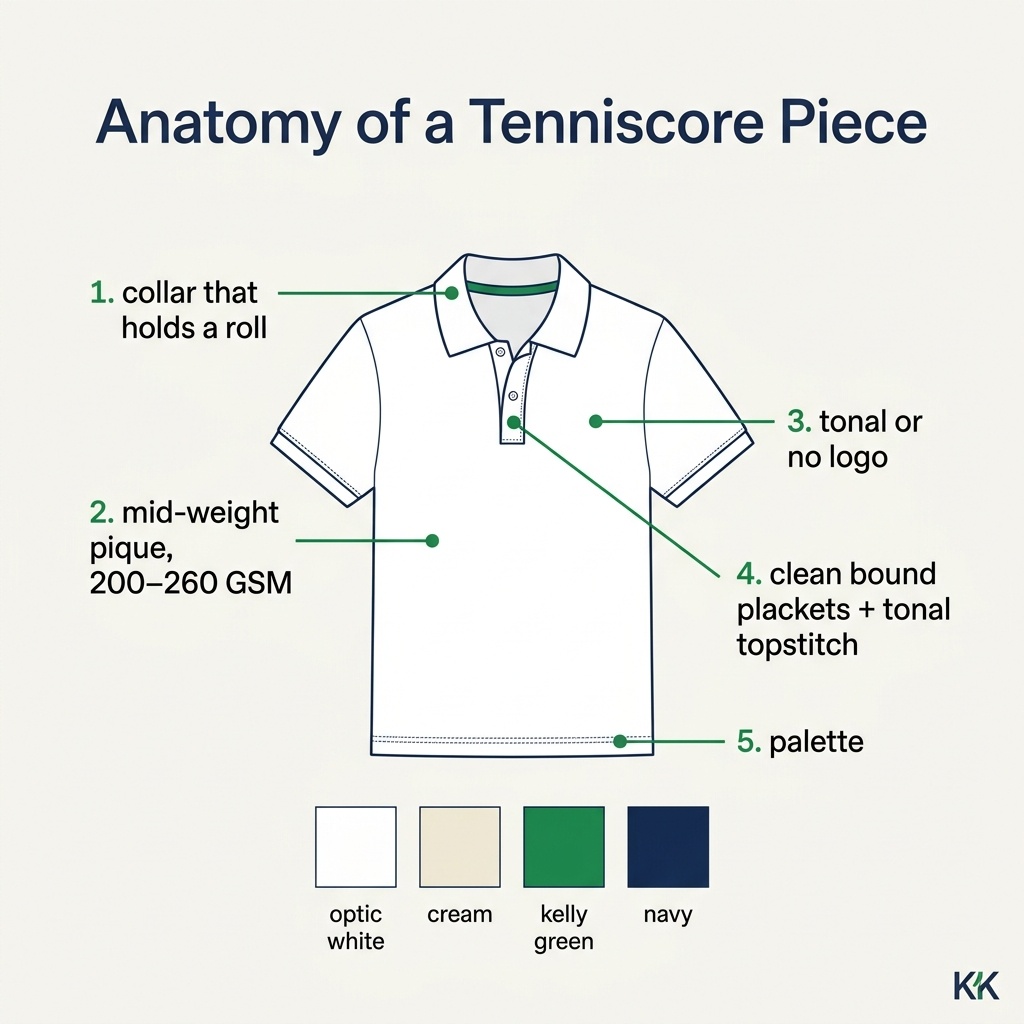
Five cues separate a piece that reads “country club” from one that reads “costume.” A collar that holds a roll instead of flopping. A mid-weight pique knit — roughly 200–260 GSM (grams per square metre, the fabric's weight) so it keeps its shape and isn't see-through. A tonal or absent logo. Clean finishing — bound plackets, tonal topstitch, no puckering. And the disciplined palette: optic white, cream, kelly green, navy.
Every one of those is a manufacturing decision, not a design flourish. That's why the look is easy to sketch and hard to ship — and why the cheap versions read cheap instantly. It's the same lesson as the broader quiet-luxury shift: without a logo doing the talking, the make has to.
“Take the logo off and the garment has nowhere to hide. The fabric and the finishing are the brand.”
Signs your tenniscore sample will read “costume”
- • The polo collar won't stand — it flops the moment it's worn.
- • The white is thin enough to see through in daylight (under ~200 GSM).
- • The whites and creams don't match across pieces in the same drop.
- • A big logo is doing the work the fabric should be doing.
Free download
The Tenniscore Spec Checklist
The one-page tech-pack checklist for a court-to-street capsule — fabric weights, collar construction, colour standards, and finishing callouts that separate quiet luxury from costume. PDF.
When not to chase the whites
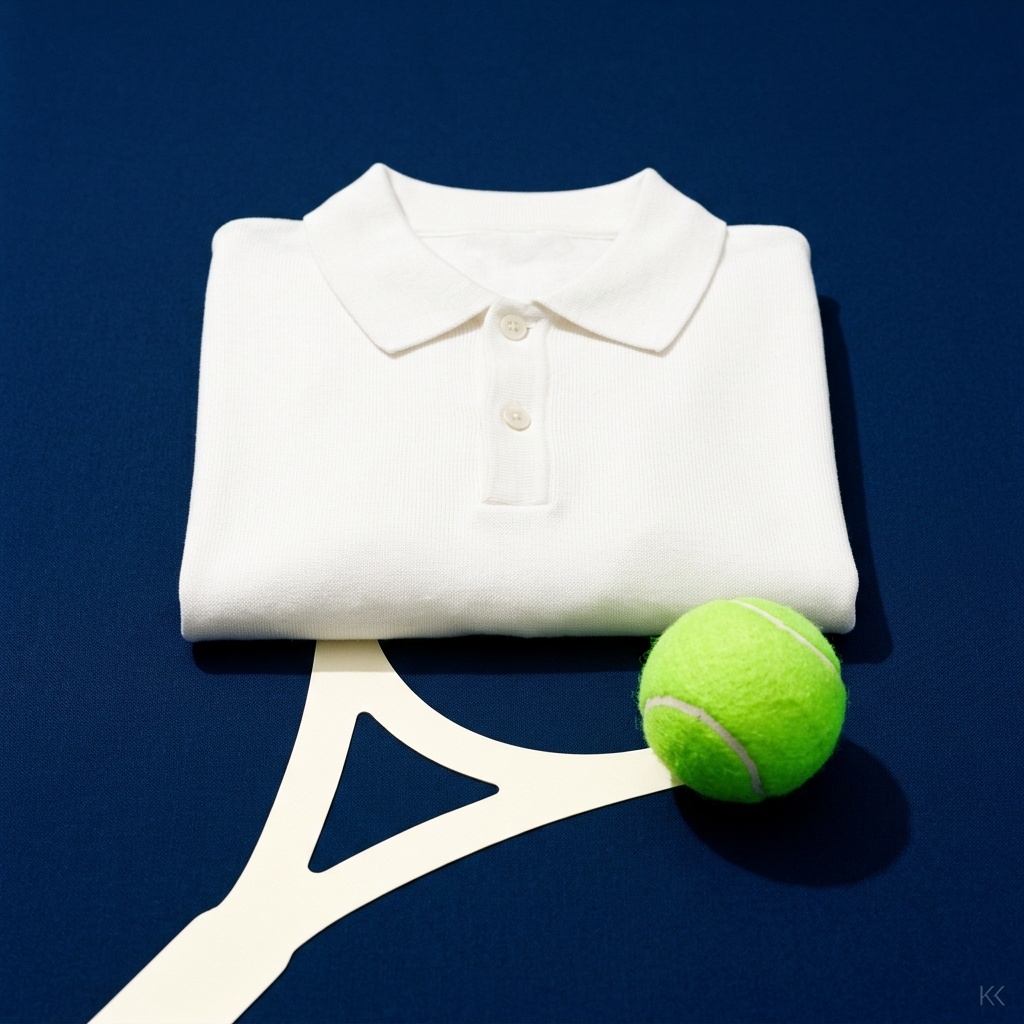
Durable doesn't mean right-for-everyone. If your brand's DNA is loud graphics, heavy streetwear, or a strong logo identity, a whites-and-pleats capsule can read as a costume your customer didn't ask for — a trend tax, not a brand extension.
And timing cuts both ways. Tenniscore is two years into its run; jumping in now with a me-too polo means competing with houses that have already set the quality bar. The move isn't to copy the aesthetic — it's to translate the principle (elevated, quiet, court-to-street) through your own point of view.
The brands winning this aren't chasing Wimbledon. They're building for the 24 million people who'll still be on a court in November — long after the grass is gone.
What we'd do in your shoes
We'd treat tenniscore as a construction brief, not a mood board — start with one hero piece (a polo or a court dress), get the fabric weight and collar right in sampling before scaling the palette, and let the make carry the story instead of a logo.
The look is easy to want and hard to earn. If you put your best tenniscore sample next to a Ralph Lauren polo on the same rail, which detail would give yours away first?
Read next
Comments
No comments yet
Be the first to share your thoughts!