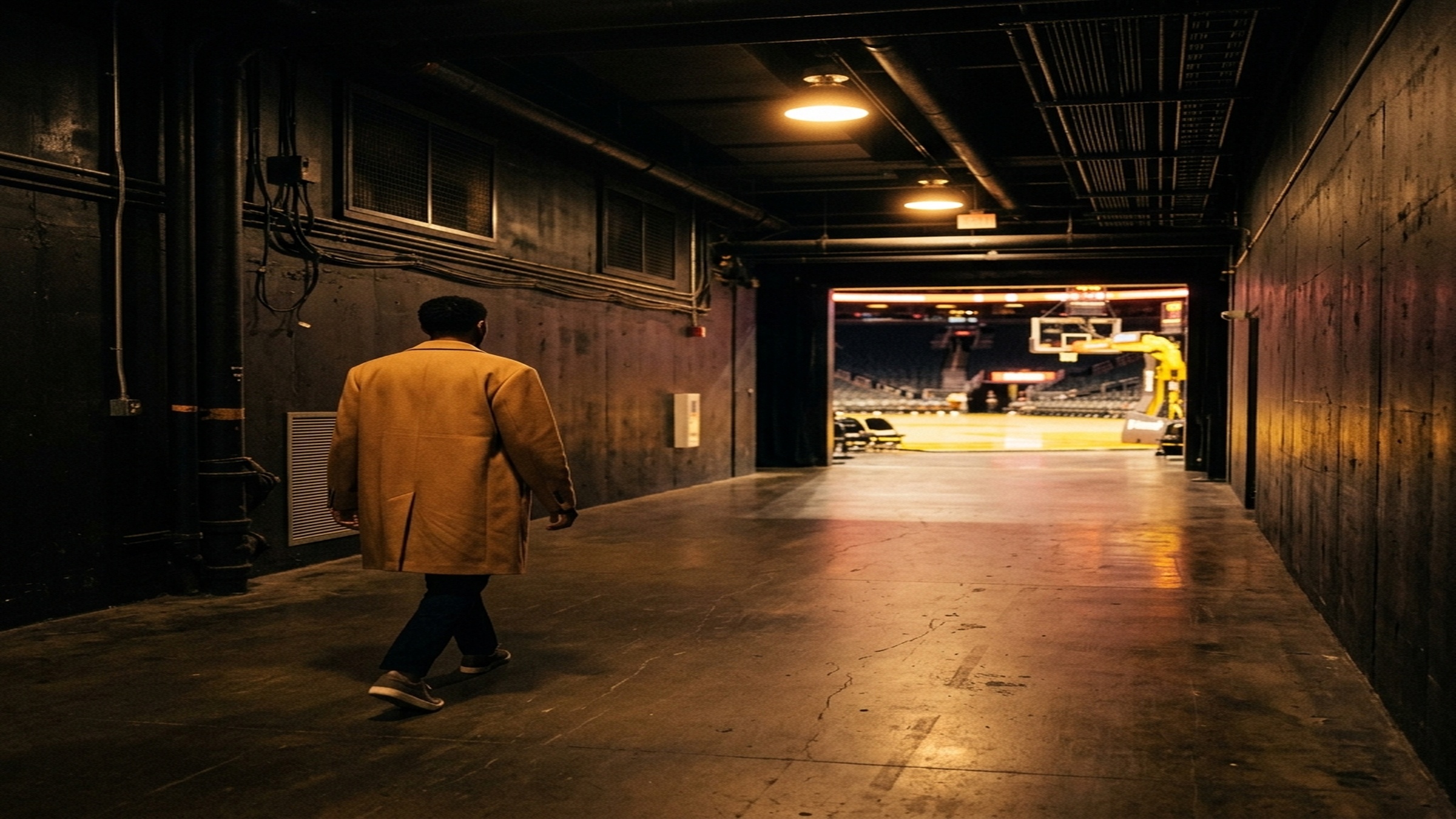
A basketball player walked through an arena tunnel this June wearing a jacket almost nobody could name. By the fourth quarter, the brand's site had sold out. That sequence — corridor, camera, checkout — is now one of the most reliable discovery engines in US menswear.
The runway used to decide what mattered. In 2026, a ninety-foot walk from the team bus to the locker room does more for a small label than a season of lookbooks.
The question for founders isn't whether to pay attention. It's whether your product could survive the moment if it ever arrived. Here's how the tunnel-fit economy actually works — and the one place it quietly punishes the unprepared.
How a hallway replaced the runway
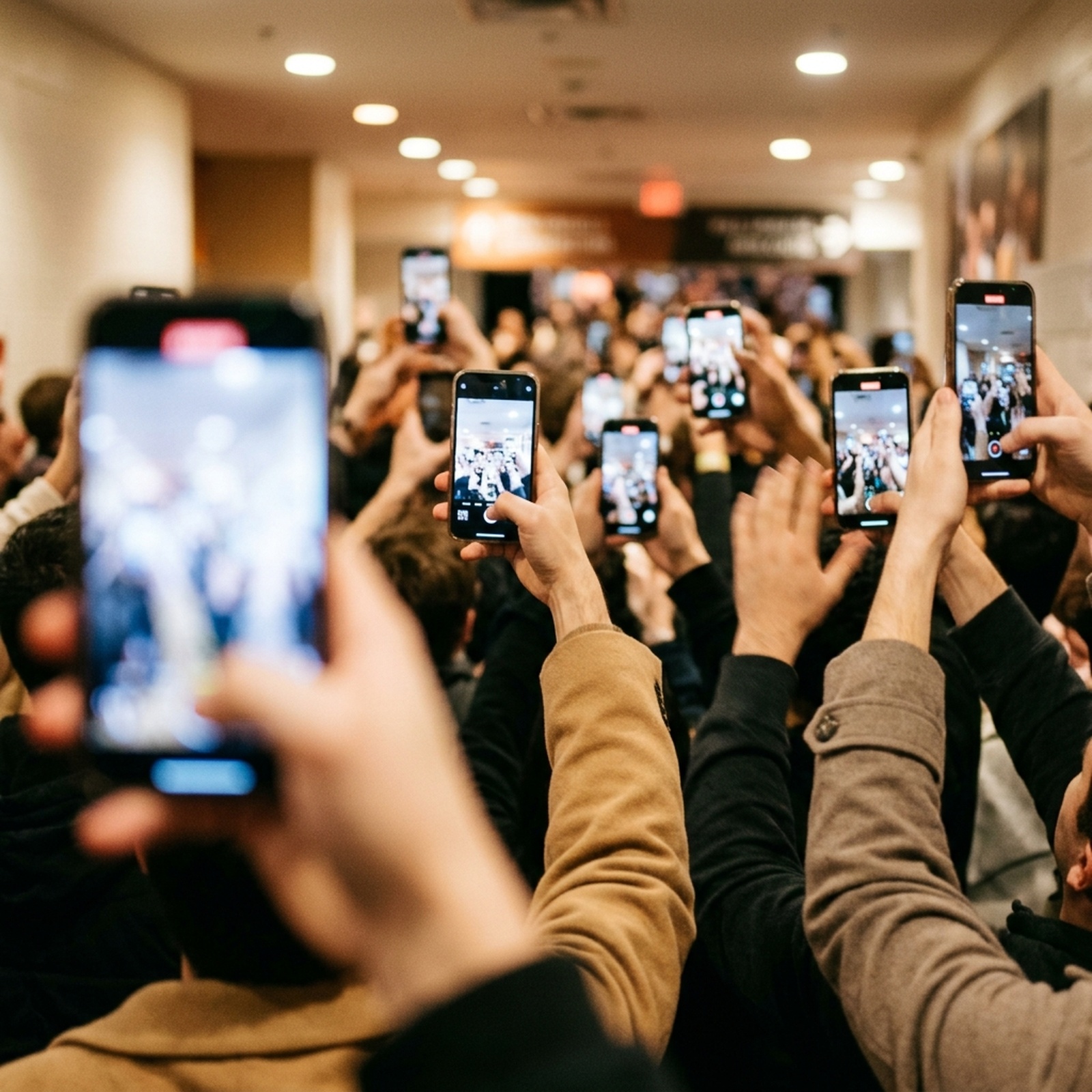
For most of fashion history, discovery ran on a calendar. Shows in February and September, editors in the front row, a trickle down to the shopper months later. The NBA collapsed that timeline into a hallway.
A tunnel fit (the outfit a player wears walking from the team bus through the arena tunnel to the locker room, photographed and broadcast before tip-off) is now a fashion event with a bigger live audience than any catwalk. League photographers cover it like a red carpet. Dedicated accounts grade it nightly.
“The tunnel is the only runway that broadcasts before the clothes are for sale.”
The shift matters because the audience is already in buying posture. They're watching their team, the player they follow is wearing the piece, and the brand is one search away. Compare that to a runway look the average shopper never sees, worn by a model they can't name, available in nine months.
What the 2026 Finals actually showed
This year's Finals — the New York Knicks against the San Antonio Spurs — made the point at full volume. The series was a basketball story. The tunnel was a menswear one.
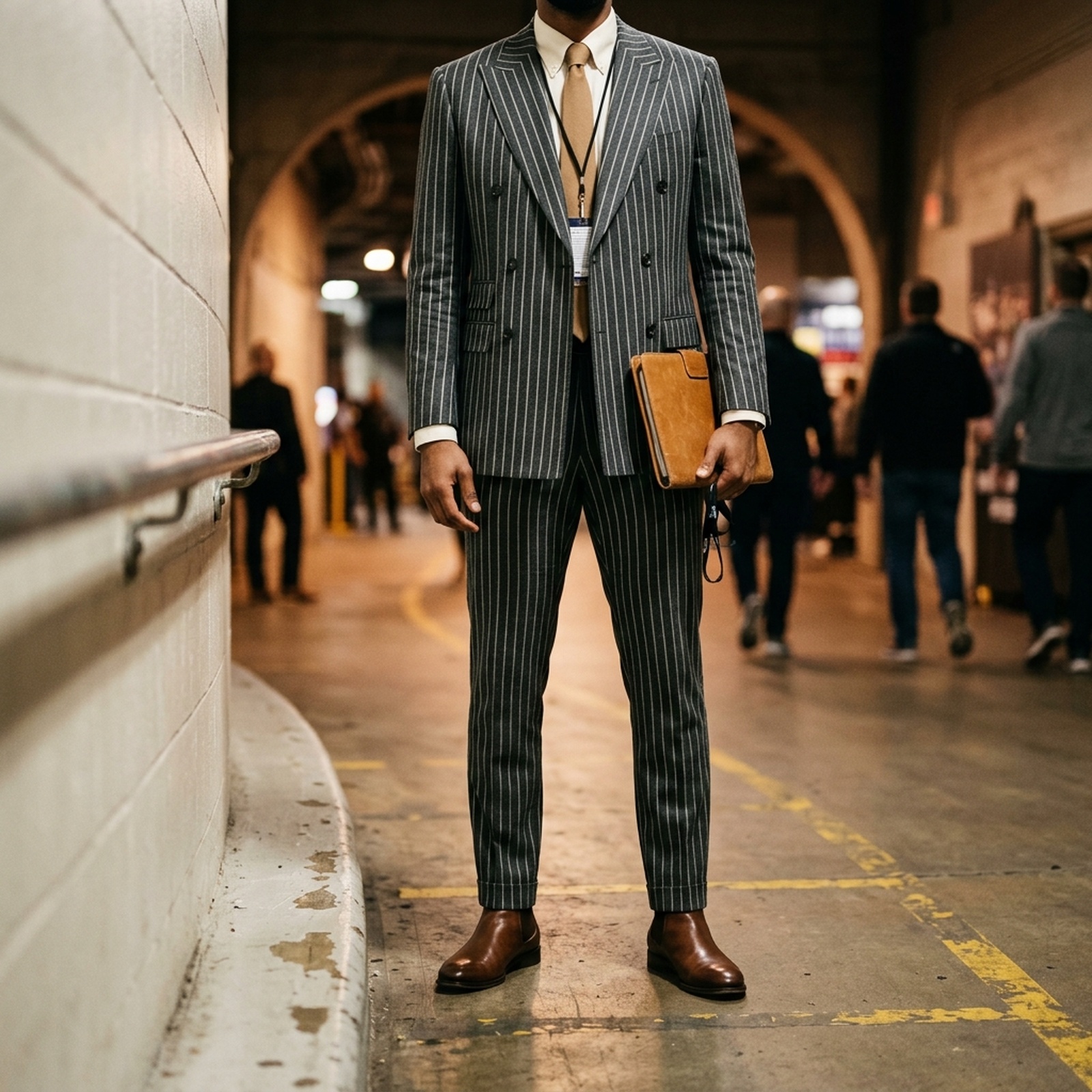
Three looks did the rounds. A monochrome pinstriped tuxedo that treated the corridor like a black-tie event. A patterned work jacket layered over a preppy base — high-low, done on purpose. And a rookie in a downtown New York streetwear label most of the audience had never heard of before that night.
Notice what they share. None of them were quiet. Each was a single, legible, photographable idea — a statement piece built to read at a glance and survive a freeze-frame.
Two of those three pieces came from established houses with full ateliers behind them. One came from a small label that woke up to a sold-out site. That gap — between the brands that can absorb the moment and the ones it catches flat — is the whole story for founders.
Why this is a real opening for small brands
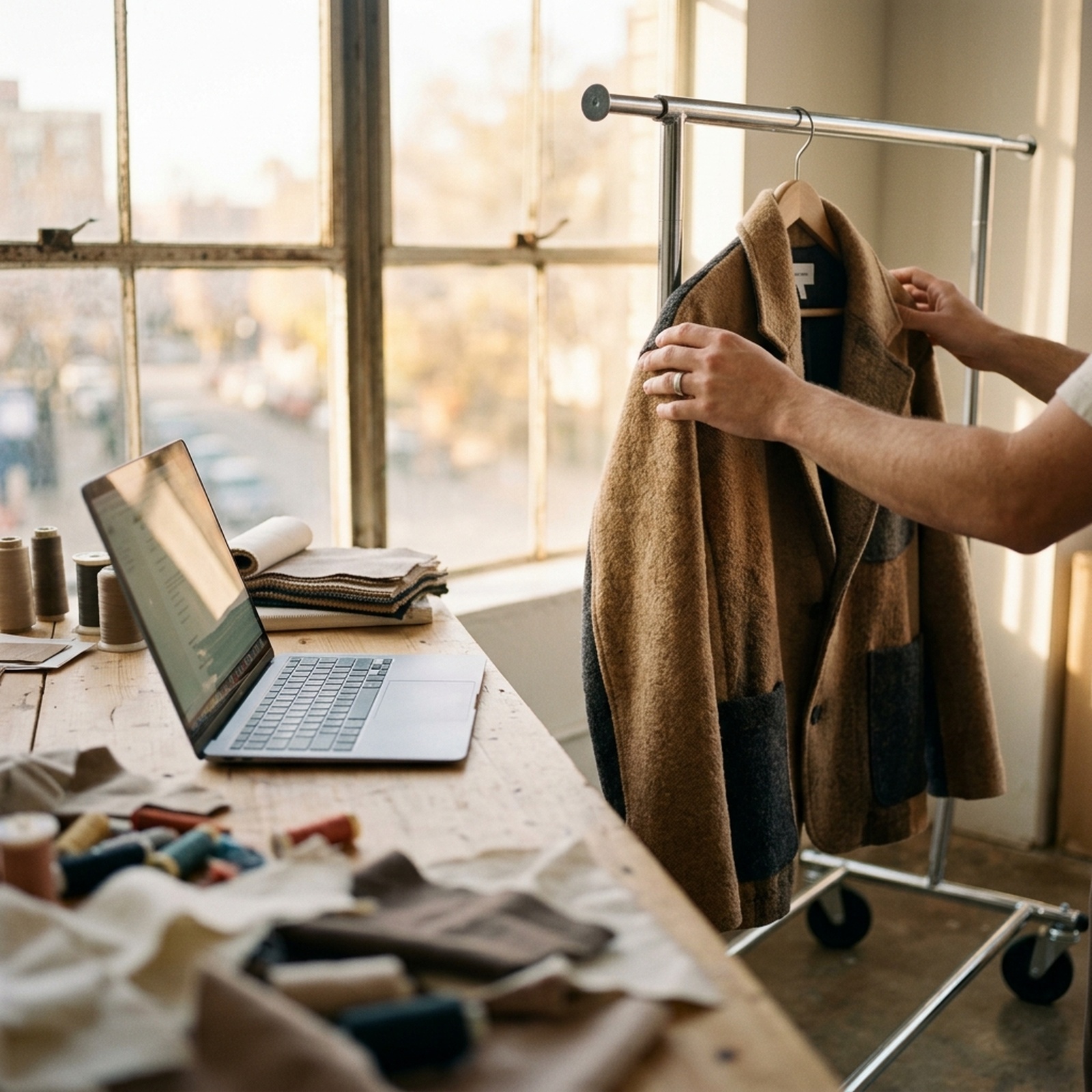
Here's why this is a genuine opening and not just spectacle for the big names. The discovery that used to require a wholesale account, a showroom, and a PR budget now needs one player and one good piece.
A brand selling DTC (direct-to-consumer — straight to the shopper through your own site, with no wholesale middleman) can convert a tunnel moment in real time. There's no retailer sitting between the broadcast and the buy. A well-timed drop (a limited release sold in a short window rather than an always-on catalogue) turns that spike into a sell-out instead of a stockout you can't refill.
This is the same signal we read off the runways — menswear is where the cultural attention sits right now. The tunnel is just its fastest, least forgiving version. Player wears it, the clip travels, search spikes, and the site either converts or it doesn't.
The catch: surviving the close-up
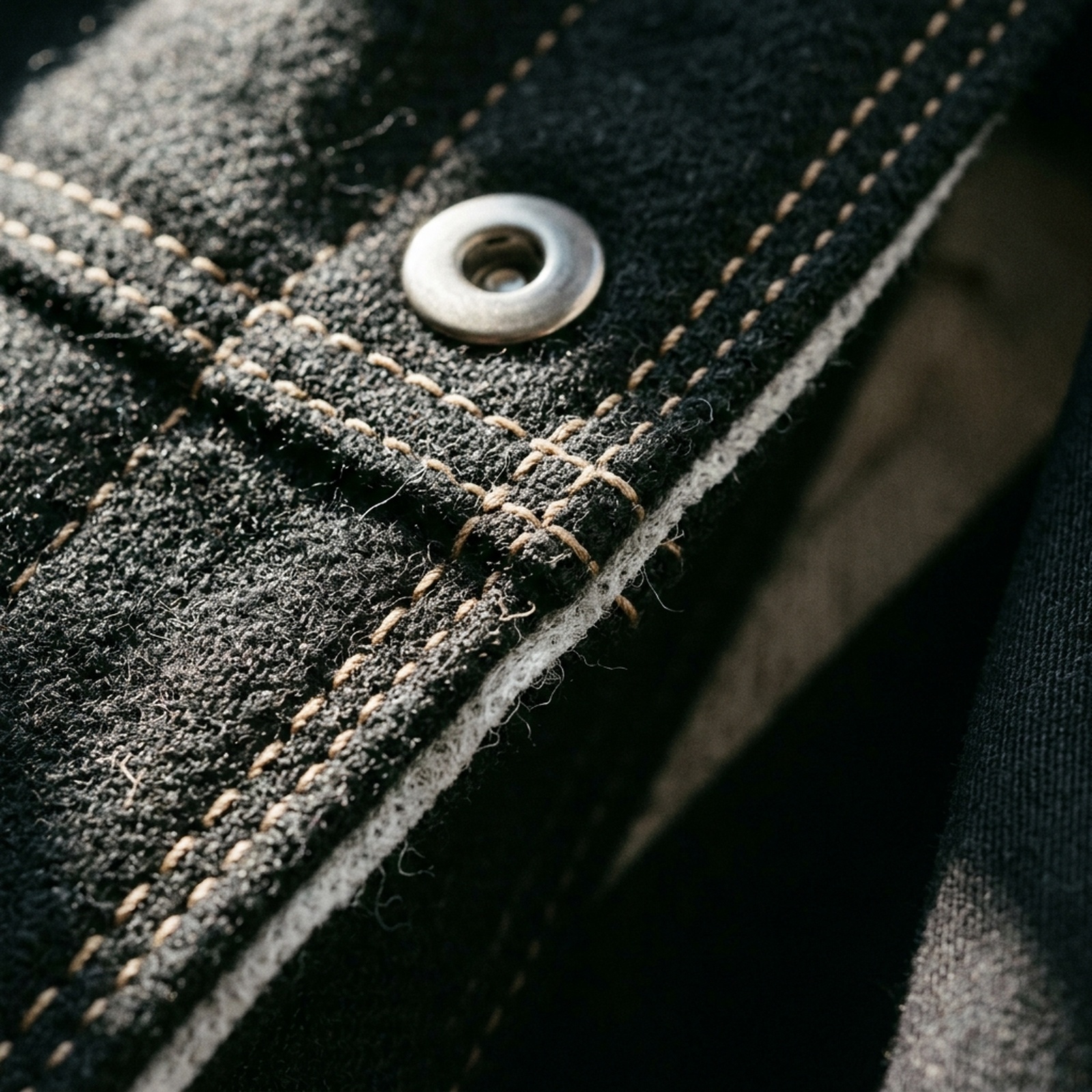
Here's the part nobody posts about. The tunnel camera is 4K, shot under arena light, then frozen and zoomed by millions of phones. It shows everything.
The piece a player wears is almost always a sample — the one perfect unit your factory hand-finished for approval. The units you ship are bulk — the hundreds that come off the line when demand hits. The distance between those two, the bulk-vs-sample gap, is where most small brands lose the moment they just won.
“A million views can't fix a crooked seam. The camera that made the sale also files the return.”
A puckered seam, a fused panel that should have been stitched, a dye lot two shades off — none of it shows on the sample. All of it shows on the bulk unit a customer films for their unboxing, and the wrong manufacturer turns that gap into a refund queue.
The spike is the easy part. Holding it — shipping six hundred units that look like the one on the broadcast — is what separates a brand from a one-night trend.
The play: fewer, bolder, better-built
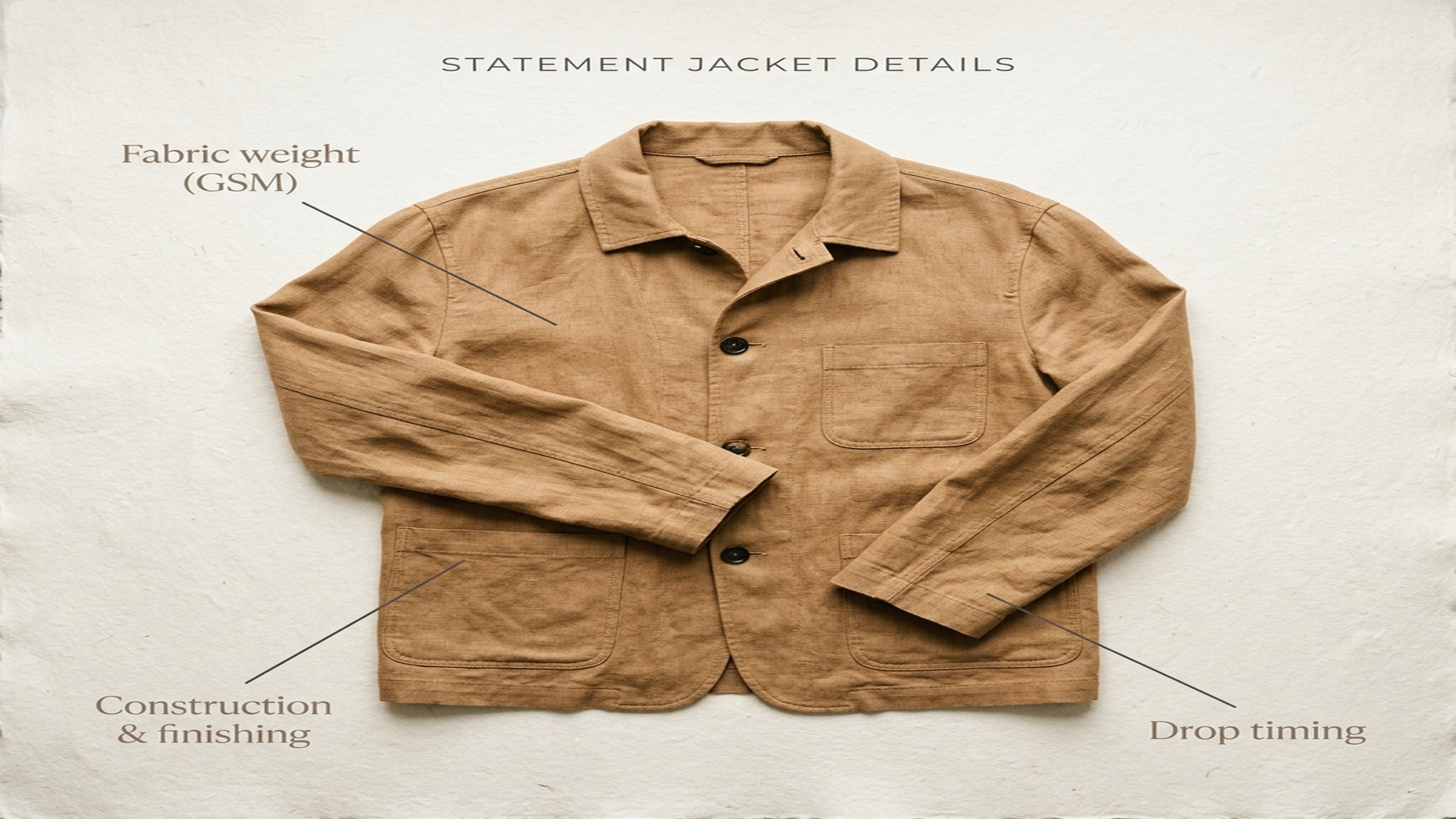
If you want to be the small brand that converts a tunnel moment instead of the one that refunds it, the play is narrow. Fewer pieces, built past your basics, timed to be available. Three moves, each with a "Signs you're making this mistake" check.
1. Build fewer, bolder hero pieces
A statement piece is the only thing the tunnel rewards. Quiet, versatile, safe — none of it reads at broadcast distance. Pick the one or two pieces a year you'd want frozen on a million screens, and put the budget there.
The founder move: stop spreading the line evenly. Decide which piece is the one you'd bet the broadcast on, and let the rest of the catalogue support it.
Signs you're making this mistake
- • Your line is twenty safe SKUs and no single piece you'd bet the broadcast on.
- • "What's our hero piece?" gets a shrug or a list.
- • Your boldest design got value-engineered into your blandest.
Free download
The Statement-Piece Construction Checklist
The fabric weight, finishing, and bulk-approval steps that decide whether your hero piece survives a 4K freeze-frame. One page. PDF.
2. Set the construction bar above your basics
A hero piece carries a different build standard than a catalogue tee. Heavier fabric, real finishing, hardware that holds — the things a freeze-frame can actually see. Spec the GSM (grams per square meter — the standard measure of how heavy and substantial a fabric feels) high enough that the piece drapes and photographs like the sample.
The founder move: hold your flagship to a higher bar than the rest of the line. This is where a premium construction story earns its cost — and where cutting it shows up first.
Signs you're making this mistake
- • Your hero piece runs the same fabric weight and finishing as your basics.
- • You approved the sample without ever seeing a bulk unit off the real line.
- • Nobody on the team can name the GSM or the seam type on your flagship.
3. Time the drop so the moment can land
Virality you can't fulfill is a refund queue with extra steps. Build the inventory or the made-to-order capacity before the moment, not after. A drop calendar that can flex — restock fast, or take orders against a lead time you'd actually quote — beats a sold-out page with no plan behind it.
The founder move: decide today what happens the night a player wears your work. The answer can't be "we'll figure it out."
Signs you're making this mistake
- • Your big piece sells out and the next question — "when can we remake it?" — has no answer.
- • There's no plan for the night the moment actually arrives.
- • Your lead time is a guess, not a number you'd quote a customer.
When the tunnel won't save you
None of this guarantees anything. The honest read: the small-brand opening is real, but it's crowded, and the odds still favor the houses.
Most viral tunnel pieces come from established brands — the ones with the relationships, the gifting budgets, and the stylists who dress players on retainer. A small label getting picked is closer to a lottery than a plan. You can't manufacture the moment; you can only be built for it if it comes.
And some categories don't play here at all. If your brand lives on basics, performance, or anything bought on repeat rather than on statement, the tunnel isn't your channel — and chasing it will distort a line that was working.
What we'd do in your shoes
We'd pick one hero piece and over-build it — heavier fabric, real finishing, a sample we'd already matched against a bulk unit before we ever needed to. We'd keep the rest of the catalogue lean and let that one piece carry the brand if the moment lands.
The tunnel isn't a strategy you can schedule. So the only useful question is the one to ask now: if a player wore your best piece tonight, would the bulk you ship tomorrow look like the sample they wore?
Read next
7 min read
Where US Fashion Is Heading After NYFW Men's
Craft over spectacle, menswear in front — the directional read for founders.
8 min read
What US Founders Should Steal from the DONDA-Core Resurgence
Cultural anchor, limited drop, product as artifact — the menswear playbook.
8 min read
What the 2026 Met Gala Taught US Fashion Founders About Craft
761 hours of hand-work behind a single look — and the founder lesson.
Comments
No comments yet
Be the first to share your thoughts!